


A Homeowner’s Guide
Laminate flooring is a popular choice for homeowners throughout Seattle, Bellevue, and the surrounding areas because of its affordability, durability, and variety of styles. It’s designed to mimic the look of wood or tile while offering easier upkeep and installation. However, even the most durable laminate planks can be damaged after being installed. Whether it’s from heavy furniture, water damage, or a small gap near the walls, noticing damaged planks after installation can be frustrating.
If you’re wondering, what do I do if a laminate plank is damaged after installation, this guide will walk you through how to identify the issue, understand your repair or replacement options, and avoid further damage. You’ll also learn when it’s best to call a contractor and how to prevent future issues from popping up in your home.
Common Causes of Post-Installation Damage
Damaged laminate planks can show up for several reasons, even shortly after your flooring has been installed. Some causes relate to the environment, while others come down to how the flooring is used or maintained.
Heavy Furniture and Dragging Items
Dragging heavy furniture across your laminate flooring can cause scratches, dents, or even cracked boards. Without protective pads under the legs, furniture can dig into the surface and create permanent damage. Even lightweight items like chairs can chip the finish if repeatedly dragged across the planks.
Water Damage or Humidity
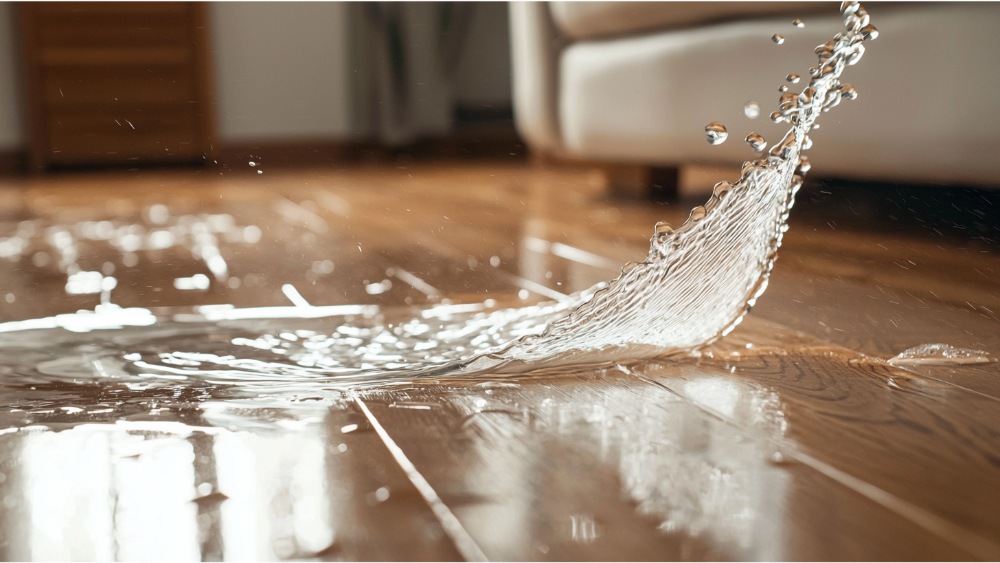
Laminate is not completely waterproof, especially at the seams. Excess moisture from spills, high humidity, or improper mopping techniques can lead to swelling, warping, bubbling, or buckling. Water damage can also push the planks apart and create visible gaps or raised edges.
Improper Installation or Subfloor Issues
If the subfloor wasn’t properly leveled or the expansion gap wasn’t maintained during installation, the planks may shift or push against each other as they expand and contract. This often causes buckling or separating seams. The lack of an expansion gap can also lead to pushing against the walls, which creates additional pressure and damages the planks.
Pets and Everyday Wear and Tear
Pet claws, toys, and everyday foot traffic can cause scratches or surface chips. While laminate is known for its durability, excessive wear in high-traffic areas can lead to surface-level damage that worsens over time if not repaired.
Assessing the Damage: Can It Be Repaired or Replaced?
Before jumping into repairs, it’s important to identify whether the damage is cosmetic or structural. This determines if you can use a simple repair method or need to replace entire planks.
When a Repair Kit Will Do the Trick
Small scratches, chips, or surface wear can often be handled using a laminate repair kit. These kits include color-matched putties, wax sticks, or pencils that can fill chips and blend scratches with the rest of the flooring. They work well for high-visibility areas like kitchens or hallways and can restore the look of the surface without replacing any planks.
When Full Plank Replacement Is the Only Option
If the damage involves deep gouges, swelling from water, cracked boards, or separated seams, the best option is to replace the affected plank. Surface-level solutions won’t hold up against deeper damage. Damaged sections left unrepaired can lead to surrounding planks becoming loose or lifting at the seams.
Step-by-Step Guide: How to Replace a Damaged Laminate Plank
There are two common ways to replace damaged planks, and the method you choose depends on how the flooring was installed and where the damaged area is located.
Option 1 – Disassembling the Floor from the Nearest Wall
This method works best for click-lock laminate flooring and when the damaged plank is near the edge of the room.
- Begin by removing the molding and baseboards along the wall closest to the damaged plank.
- Carefully pull up each plank one at a time, working your way to the damaged section.
- Once the damaged plank is removed, insert the new plank and reconnect it with the surrounding ones.
- Reinstall the planks you removed earlier and replace the molding and baseboards.
This technique keeps the locking system intact, which is crucial for maintaining a secure and even floor.
Option 2 – Cutting Out a Damaged Plank and Gluing a New One In
If the damaged area is in the middle of the room or far from a wall, cutting and gluing may be a better option.
- Use a circular saw or oscillating tool to carefully cut out the damaged plank.
- Remove all debris and dry fit a matching plank to ensure proper sizing.
- Apply a strong flooring glue to the new plank and install it in place of the old one.
- Weigh it down to ensure it stays flat and let it dry completely before walking on it.
This method is more invasive but avoids disassembling a large section of the floor.
Reinstalling and Rechecking the Floor
After any replacement, walk the area to make sure the new plank is flush with surrounding boards and that there are no loose seams or soft spots. Clean up any dust, glue, or debris and inspect the edges for proper fit.
What If the Damage Is Near a Doorway or Hard-to-Reach Area?
Working in corners or tight spaces may require specialized tools like a tapping block or pull bar. These tools help you connect planks properly without damaging nearby flooring. If access is limited or you’re unsure about the process, hiring a contractor is usually the best route.
What to Do If You Don’t Have Spare Planks
It’s common for homeowners to run into this issue, especially if the flooring was installed several years ago.
Check with Your Installer or Supplier
If your laminate flooring was professionally installed, the contractor may have leftover planks stored from your project. At Best Floor Coverings, we often recommend saving extra planks for this very reason and may have a match in our inventory.
Order From the Manufacturer
You can also reach out to the manufacturer to order replacement planks. Be sure to use the exact product code or lot number to get a perfect match. If the style has been discontinued, a close alternative may be available. Always double-check the color and pattern before final installation to make sure it blends seamlessly.
Can You Prevent Future Laminate Damage? Absolutely.
Preventing future issues with your laminate flooring starts with smart maintenance and proper use.
Use Felt Pads on Furniture Legs
Attaching felt pads to the legs of your chairs, tables, and other furniture prevents scratches and dents. This is one of the easiest and most effective ways to protect your flooring from damage.
Avoid Wet Mopping or Excessive Moisture
Excessive water from mopping or spills can lead to water damage. Instead, use a damp microfiber mop and dry the floor thoroughly after cleaning. Avoid steam mops, as they can force moisture into the seams and cause bubbling or warping.
Install Area Rugs in High-Traffic Zones
Placing rugs in hallways or under kitchen tables can reduce the wear on your flooring. This is especially helpful in homes with children or pets.
Ensure Proper Installation and Subfloor Preparation
A level subfloor and a consistent expansion gap around the walls are critical to the long-term durability of laminate flooring. Uneven surfaces or lack of space for the planks to expand and contract can cause buckling and separation. If your flooring was installed without accounting for these factors, you may see problems develop over time.
When to Call a Professional Flooring Repair Expert
There are times when a DIY solution just isn’t enough. If your flooring is glued down, if the damage is widespread, or if you’re unsure how to cut or remove the boards safely, it’s best to call a flooring contractor.
A professional can determine whether a full replacement or targeted repair is necessary. They can also evaluate your subfloor, moisture levels, and overall installation quality to prevent further damage. Working with a trusted contractor ensures the job is done right and extends the life of your flooring.
Laminate Flooring Repair FAQs
Can a single laminate plank be replaced without removing the entire floor?
Yes, in many cases, individual planks can be removed and replaced without tearing out the entire floor. This depends on how the flooring was installed and the location of the damage.
How do I fix a scratch or chip in my laminate flooring?
Use a laminate repair kit with color-matched filler or wax to fix surface-level scratches or chips. These kits are inexpensive and easy to use.
Is water-damaged laminate flooring repairable?
If a plank has absorbed moisture and swelled or bubbled, it must be replaced. Surface repairs won’t fix structural damage caused by water.
How much does it cost to replace a damaged laminate plank?
DIY repairs can cost under $30, especially if you have spare materials. Professional replacement may cost between $100 and $300 depending on labor and materials.
Should I replace a plank myself or hire a contractor?
If you have the right tools and the job is straightforward, DIY replacement is an option. For more complex damage or glued flooring, hiring a contractor is recommended.
Need Help Fixing Damaged Laminate Flooring?
If you’re dealing with damaged laminate planks and aren’t sure what to do next, our team at Best Floor Coverings is here to help. From identifying the issue to completing the repair or full replacement, we make the process simple and stress-free.
We offer in-home consultations across Kirkland, Bellevue, Seattle, and beyond. Whether you’re facing minor scratches or major water damage, we’ll inspect your flooring, determine the right solution, and get your planks fixed fast.
Contact us today to schedule your free consultation and get your laminate flooring back to looking its best.