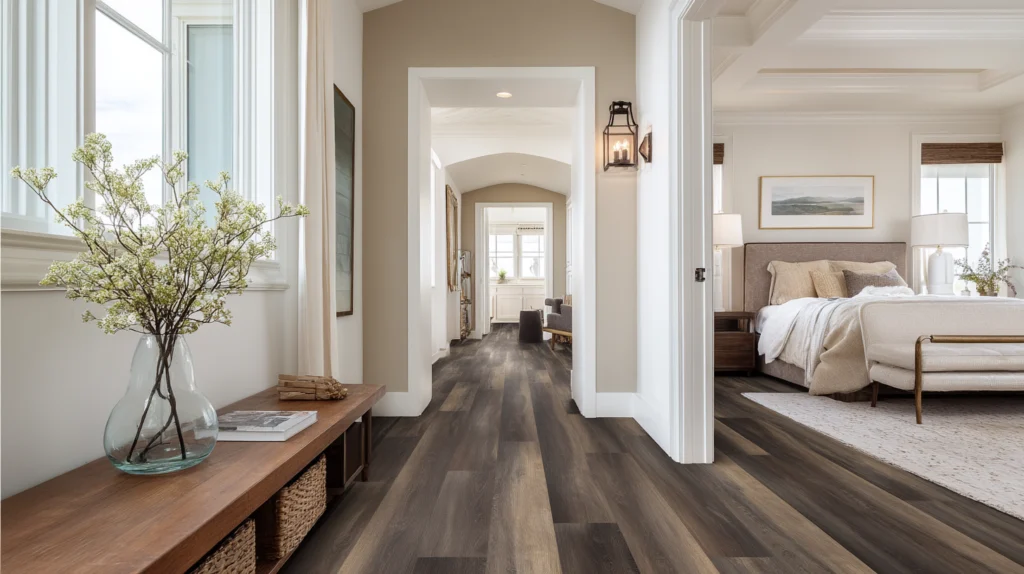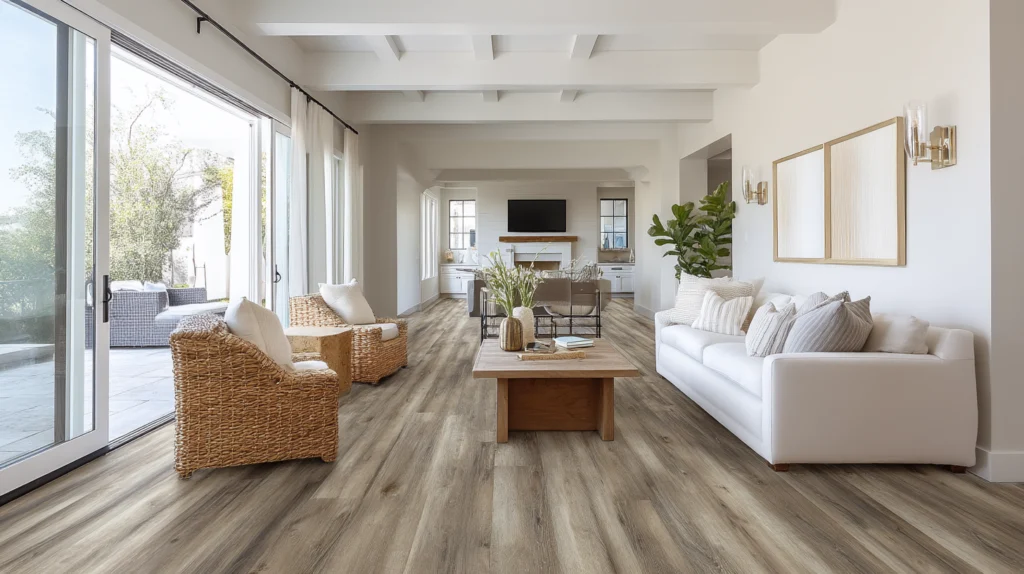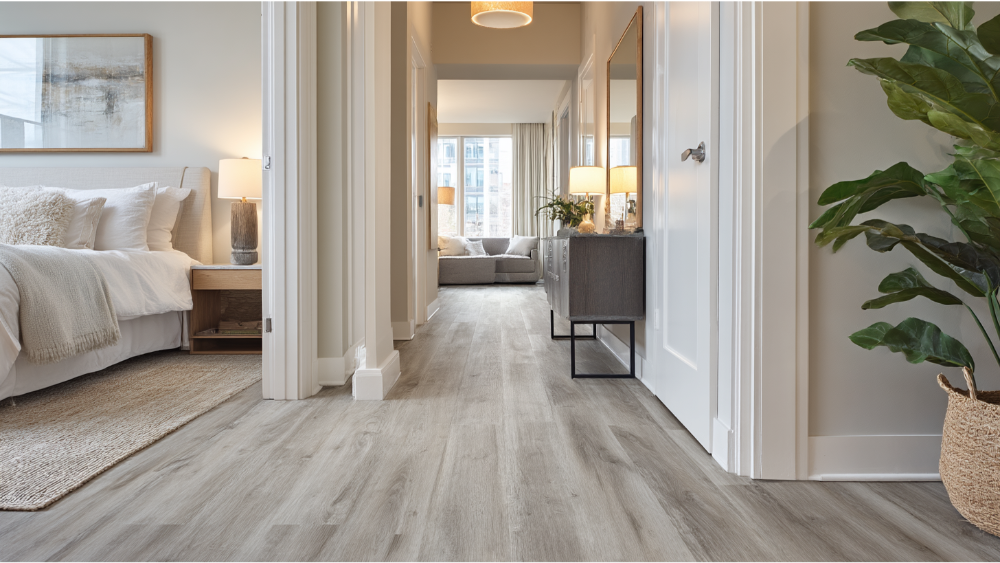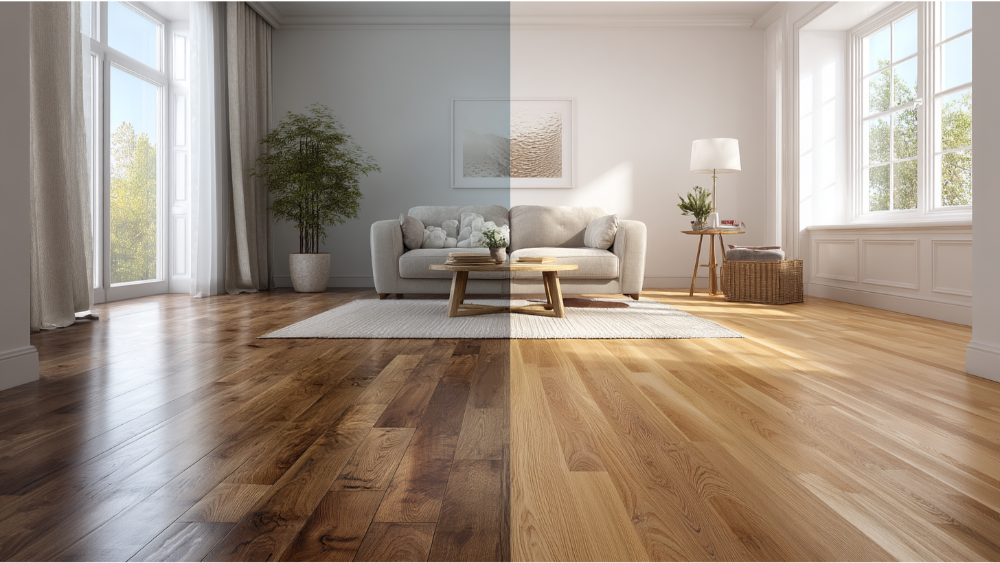



If you’re weighing lvp vs hardwood flooring, you’re not alone. It’s one of the top questions homeowners ask here in Kirkland, and across Seattle, Bellevue, and nearby neighborhoods, when considering a flooring option that balances budget friendly, stylish, and practical benefits. Whether you call it luxury vinyl plank lvp, luxury vinyl flooring, hardwood flooring, or engineered hardwood, we’ll help you sift through all the options, from vinyl plank flooring to solid hardwood flooring, and decide on a long term investment that brings aesthetic appeal, durability, and sound resale value.
In 2025 both natural wood and synthetic materials have improved dramatically, giving homeowners real choices. Let’s walk through costs, features, suitability, environmental impact, and more, so you can confidently move forward with the right flooring for your lifestyle.
Understanding the Flooring Options
What Is Luxury Vinyl Plank LVP?
Luxury vinyl plank, lvp, and vinyl flooring refer to a flooring option made of multiple layers, including a photographic layer that mimics real wood, a core layer of durable material, and a wear layer for protection, often making it incredibly durable. The result is a floor that captures the similar aesthetic and warmth of real wood species without the price tag.
LVP is typically water resistant, which makes it a smart pick for moisture‑prone areas, such as kitchens, mudrooms, and bathrooms, as well as spaces where heavy spills or humidity are part of daily life. Kits and core material options vary, but all offer an attractive option for those seeking a budget friendly, low‑maintenance, and eco friendly option when desired. Some high‑end vinyl plank flooring includes recycled materials in the backing or core for improved green credentials.
What Is Hardwood Flooring, Solid Hardwood Flooring, or Engineered Hardwood?
When we talk about hardwood flooring, we’re referring to floors made from natural wood, including solid hardwood, which is milled from a single piece of timber, and engineered hardwood, which has a thin layer of real wood atop a stable plywood base. These floors showcase the natural beauty and grain variation of wood species, delivering a timeless appeal that is hard to beat.
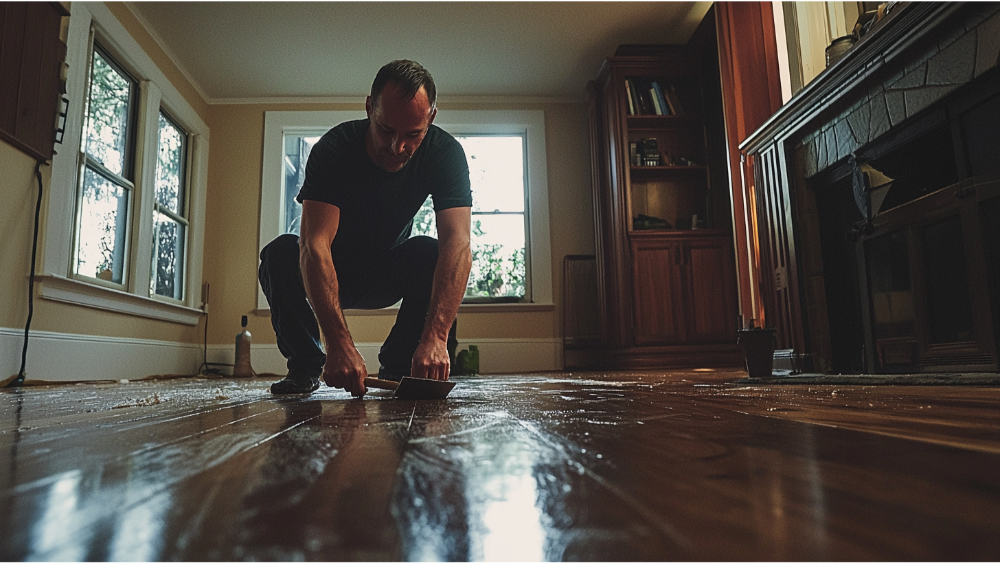
Solid hardwood flooring can be refinished multiple times, giving you the flexibility to restore or change its look over decades, an unbeatable feature for a long term investment. Engineered hardwood, while technically layered, still features a top layer of natural wood, and allows for installation in challenging environments like basements, when properly installed.
Cost Comparison – Budgeting Your Flooring Project
Upfront Material & Labor Costs
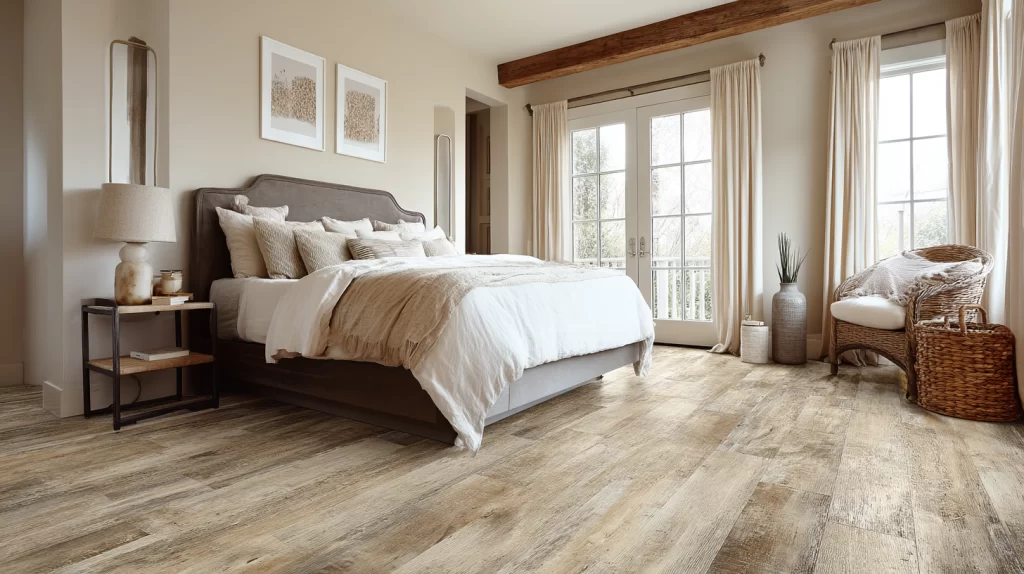
When we talk raw numbers in 2025, lvp flooring often costs between $3 to $7 per square foot, plus installation costs, which may range from $2.50 to $4 per square foot depending on your remodel specifics. This combination makes it a budget friendly option.
In contrast, hardwood flooring installation, across solid or engineered options, typically runs from $6 to $12 per square foot for materials, plus labor costs between $5 to $8 per square foot, depending on finishes, species, and site conditions. Exotic species or intricate layouts can push that higher, especially if custom inlays are involved.
Despite higher hardwood costs up front, it remains a long term investment. Because natural materials like wood age with grace and can be restored through occasional refinishing, they hold resale value especially well.
Resale Value and Long‑Term ROI
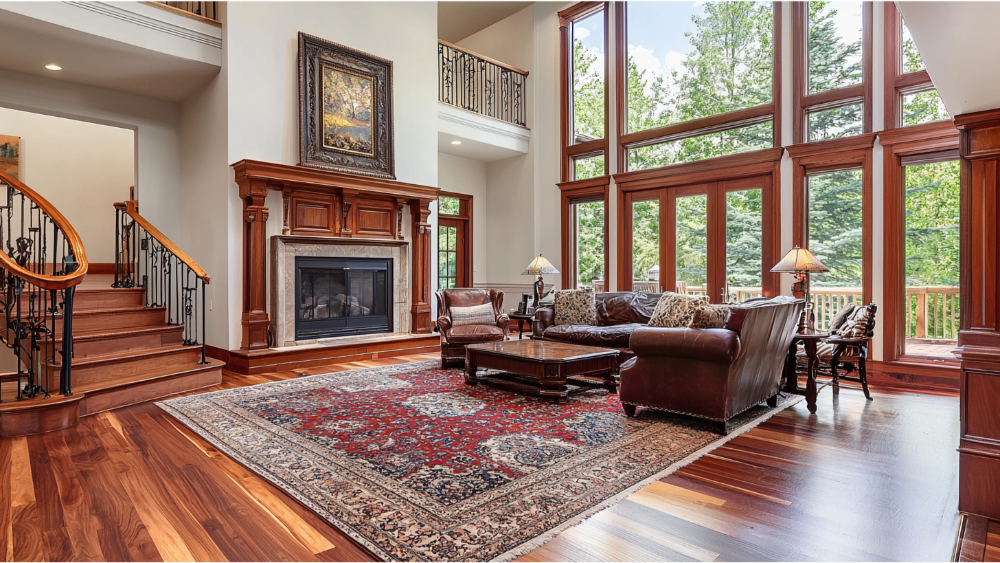
Hardwood flooring, especially species from responsibly managed forests or locally sourced, carries a strong prestige factor in the housing market, enhancing your home’s resale potential. Buyers still often expect wide plank natural wood floors in living areas, valuing the timeless appeal and authenticity.
High‑quality luxury vinyl plank flooring, particularly well‑chosen and installed, appeals to homeowners who desire easy care and low maintenance. But in high‑end markets, real wood, with its unique grain and aesthetic appeal, continues to be perceived as more valuable over time.
Everyday Performance: Durability, Maintenance and Lifestyle Fit
Water Resistance, Stains, and Moisture
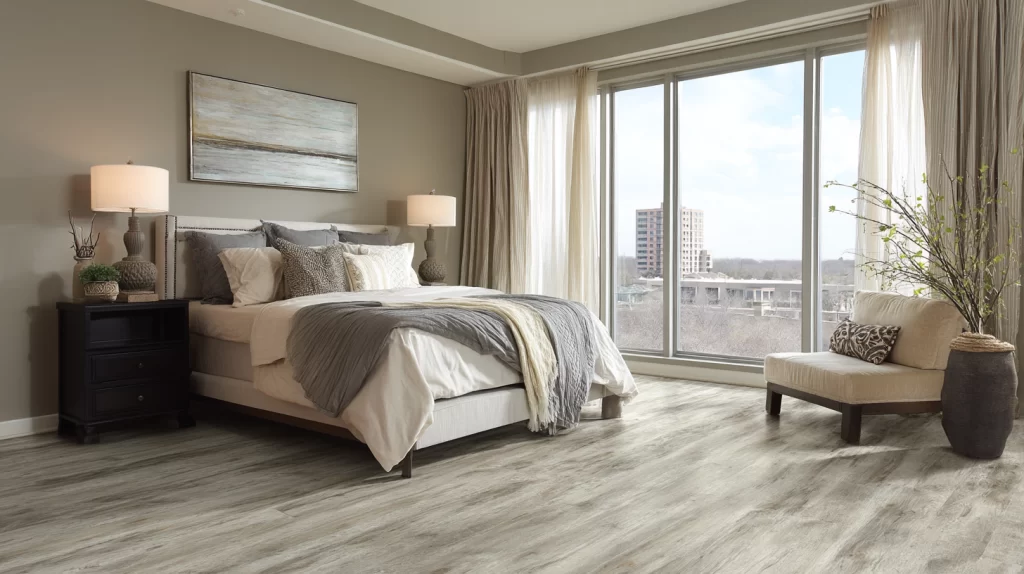
Vinyl plank is becoming the go‑to for areas prone to moisture and heavy foot traffic, thanks to its water resistance and synthetic nature that stands up to wet conditions and spills. It’s an ideal pick when you need wet mops, kids running in and out, or pets tracking in water.
Hardwood requires more proper care, as its sensitivity to water can lead to warping or cupping in damp environments. While engineered hardwood improves on this, still it’s not as forgiving as vinyl, so placement matters.
Scratch Resistance and Durability
When you live with active kids, pets, or daily heavy foot traffic, luxury vinyl plank flooring delivers peace of mind. Its wear layer, often transparent and tough, resists scratches and dents far better than bare hardwood planks.
Hardwood will develop character over time, and while scratches can be refinished over years, immediate wear may require touch-ups, though many homeowners appreciate this lived‑in charm.
Lifespan and Repair Options
Given the choice between floors that can be refinished multiple times or needs replacement when damaged, hardwood stands out. Solid hardwood can be sanded down and restored, potentially lasting 50 years or more when well‑maintained.
From an environmental standpoint, long lifespan helps reduce waste, another eco friendly consideration that isn’t lost on savvy homeowners.
LVP, while durable, lacks this option; individual sections may be replaced, but full refinishing isn’t possible.
Comfort, Acoustics & Lifestyle Compatibility
Feel Underfoot and Sound Insulation
One surprise: lvp, especially with the right underlayment, often feels softer underfoot than standard hardwood, making it easier on knees and backs during long cooking sessions or playtime with kids. It also provides better sound insulation, reducing echoes and footfall noise in high traffic or multi‑level homes.
Conversely, hardwood flooring installation is generally completed on subfloors that may not prioritize sound dampening. Adding underlayment can help, but natural wood tends to reflect sound, offering less acoustic comfort.
Suitability for Different Spaces
- High traffic areas like entryways, kitchens, laundry rooms, and basement rec rooms? LVP shines there.
- Main living spaces, bedrooms, and formal areas benefit from the natural charm of wood flooring.
Style & Aesthetic Appeal
Visual Trends and Design Flexibility
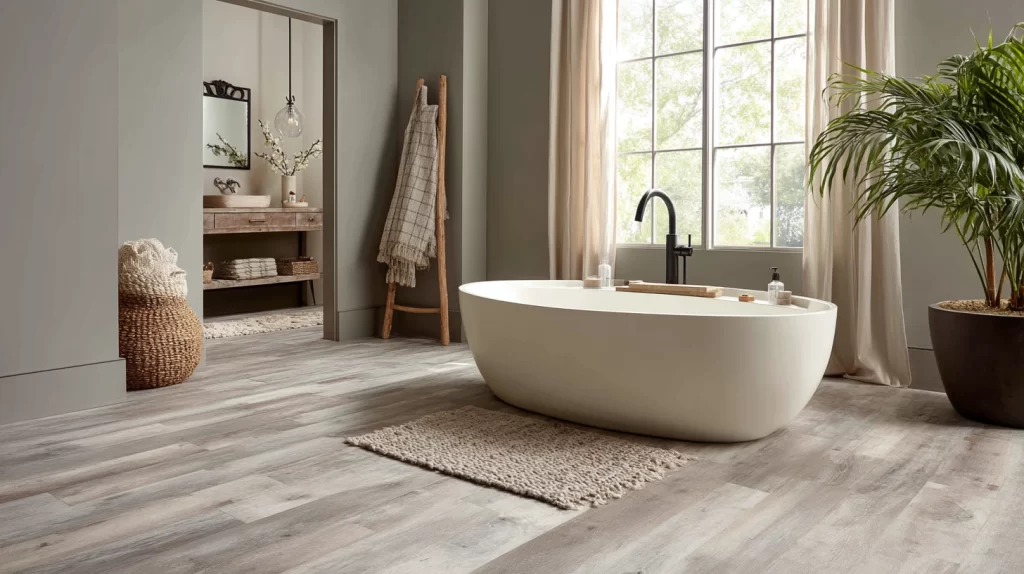
Both flooring types offer a wide variety of tones, from light neutral to warm tones, and plank widths. LVP can accurately mimic exotic or reclaimed looks, and comes in consistent, pattern‑controlled designs.
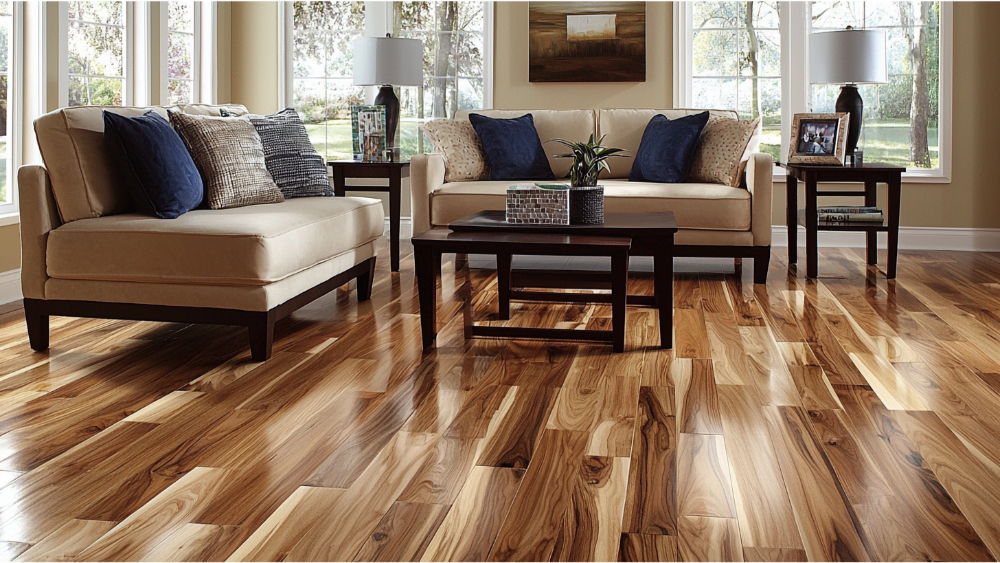
Natural wood, on the other hand, offers one‑of‑a‑kind grain, knots, and variation across wood species, giving your floors a tailored story. This organic aesthetic is hard to duplicate with synthetic materials, though modern luxury vinyl flooring continues to narrow the gap.
Mixing Flooring for Design and Function
A growing trend in 2025 is combining hardwood flooring in main living spaces with luxury vinyl flooring in moisture‑sensitive zones. With careful selection of color, plank size, and transition details, the overall look remains cohesive, functional, and smart.
Environmental Impact and Sustainability
Eco Credentials of Natural Wood
When the wood is sourced from responsibly managed forests, or certified (e.g., FSC), natural materials become part of a sustainable cycle. Hardwood’s long lifespan also contributes to a longer life cycle and less frequent replacement.
Hardwood stands out as an eco friendly option especially when reclaimed, or when clients choose engineered hardwood that maximizes resource use while delivering real wood surfaces.
Eco Considerations for Vinyl Products
Some brands now integrate recycled materials into their core material or backing, and aim for eco friendly certifications. Still, vinyl relies on plastic ingredients, which carry a larger footprint than wood. If your priority is minimizing environmental impact, hardwood may still win, but quality LVP is improving with greener practices.
Which Flooring Makes a Smart Investment: LVP vs Hardwood?
With pile-on choices and terms like “luxury vinyl plank flooring” thrown around, here’s how to determine what’s right flooring for your home:
- Budget and Coverage Needs? Vinyl can deliver whole‑home coverage at a budget friendly price.
- Water or Pets? Go with the water resistant, low‑maintenance life safety of LVP.
- Lifetime Value and Resale? Nothing beats real wood, timeless appeal, and the capacity to be lovingly refinished multiple times.
- Comfort and Noise? Vinyl offers a softer feel, sound dampening, and low noise, a real plus in high traffic areas.
- Sustainability? Invest in natural materials sourced from responsibly managed forests or reclaimed materials if that matters most.
Your Next Steps with Best Floor Coverings
Here at Best Floor Coverings, we bring samples directly to your home with our Shop‑at‑Home service, so you can compare wood flooring, luxury vinyl plank, and engineered hardwood options side‑by‑side under your own lighting and layout.
How Pro Installation Enhances Performance
Even with the finest materials, from solid hardwood to top‑tier luxury vinyl flooring, poor installation wastes money and time. Our experienced team ensures proper tapping, precise transitions, and stable subfloor preparation to protect moisture sensitive installations.
Let’s Explore Your Options Together
We’ll help you weigh hardwood costs, versus installation costs, lifespan, maintenance, and aesthetics. Whether you want an incredible hardwood planks feel in your living room, or nearly waterproof vinyl plank in your entry and mudroom, we’ll guide you toward the best flooring option for your home.
Frequently Asked LVP vs Hardwood Flooring Questions
Which lasts longer: LVP or Hardwood Flooring?
Hardwood flooring, especially solid hardwood, may last 50 years or more with proper polishing and occasional refinishing, while luxury vinyl plank typically lasts 10–20 years before noticeable wear.
Is Luxury Vinyl Plank Flooring truly waterproof?
Yes, most quality LVP options are water resistant or waterproof, designed specifically for moisture‑prone areas and spaces where wet mops are part of the cleaning routine.
Can Hardwood be installed in basements or over concrete?
Standard solid hardwood flooring is not suited to damp environments or below‑grade installations, though engineered hardwood can perform better under controlled conditions.
Which option increases home resale value more?
Real wood, particularly in formal living spaces, has stronger appeal to buyers who value craftsmanship, heritage, and natural beauty. It’s still a standout for home’s resale, though high-quality LVP is making inroads among practical buyers.
Can you mix LVP and Hardwood Flooring?
Absolutely. Blending luxury vinyl, vinyl plank, or engineered hardwood in functional spaces with solid or engineered hardwood in living rooms creates a smart, stylish, and functional balance.
Final Thoughts: Which Flooring Fits Your Home Best?
There’s no one-size-fits-all answer, but by considering your budget, lifestyle, water exposure, resale goals, and environmental values, you’ll find the perfect fit. For authentic aesthetic and longevity, hardwood flooring remains unbeatable, with its option for occasional refinishing and classic texture. For wet zones, high traffic, or low maintenance needs, luxury vinyl plank shines with affordability, softness underfoot, and durability.
Let Best Floor Coverings help you lay the foundation. Whether it’s hardwood, LVP, or a mix, we’ll guide you to the right flooring, crafted for how you live.