



Hardwood floors add warmth, beauty, and value to any house but cleaning hardwood floors the wrong way can cause damage, staining, warping or dull finish. Whether your home has solid hardwood or engineered hardwood it is essential to know the best practices, tools, cleaning solution, and regular cleaning routine so your wood floors stay looking great for years. This article will show you how to clean hardwood floors correctly, what cleaning products to use or avoid, how to prevent common problems, and when deeper clean or professional help is needed.
Why Cleaning Hardwood Floors the Right Way Matters

Hardwood, wooden floors are natural, porous, and responsive to moisture, dirt, foot traffic, and abuses. Loose dirt grit dust debris from shoes and furniture can scratch the surface when walked over, especially in high traffic areas. If cleaning wood floors with too much moisture wet mop or wrong cleaning solution damage is often irreversible warped boards or peeling finish. Harsh chemicals, alkaline products, abrasive cleaners or steam cleaning are frequent causes of problems for wood floors. A simple, correct cleaning process prevents these issues, maintains finish, protects warranty if floor was installed with sealed finish like polyurethane, and extends lifespan of your floor type.
Understanding the type of floor is essential. Solid hardwood responds similarly to engineered hardwood under cleaning, but engineered hardwood often has a thinner veneer layer which means heavy sanding or harsh treatment can break through finish faster. Wooden floors include both, and knowledge of your wood, finish, and manufacturer’s recommendations matters in choosing cleaning solution and tools. Regular cleaning helps protect finish and prevent costly refinishing or replacement of boards.
Daily and Weekly Cleaning Routines That Protect Your Hardwood Floors
Dry Mop or Vacuum First
The best way to start cleaning hardwood floors is to rid the surface of loose dirt debris hair dust. Use a dry mop or vacuum with a floor cleaner attachment or soft brushroll designed for wood floors. Sweeping several times a week helps prevent dirt from being ground in. Vacuuming helps especially in high traffic areas or under furniture where debris accumulates. Dry mop before any wet or damp cleaning to avoid scratching or dragging grit across wood grain.
What Tools to Use: Microfiber Mop, Cloth, and Right Mop
Choosing the right tools makes a big difference. A microfiber mop is essential because it picks up dirt well, absorbs minimal moisture, and is gentle on finish. Cloths that are soft microfiber also work for spot cleaning or wiping spills immediately. Mop heads or pads should be clean and replaced or washed often. A bucket with warm water and a few drops of mild wood floor cleaner or pH balanced cleaning solution can assist damp mopping. Avoid string mops or sponge mops that soak up too much moisture and hold water too long, which leads to too much water contact with wood.
Safe Cleaning Products and Cleaning Solution
When it comes to what to clean hardwood floors with, use cleaning products specifically made for wood, pH neutral, plant‑based when possible and free of harsh chemicals, alkaline products, bleach or ammonia. A cleaning solution should not leave residue, should dry quickly, and not contain vinegar in strong concentrations. Warm soapy water in mild, diluted form can work occasionally for grime, but must be followed by thorough wringing or damp mop rather than wet mop. Floor cleaners certified by EPA Safer Choice or labeled for wood surfaces are best. Avoid oil soaps that leave sticky residue, harsh chemicals that strip finish, residue that attracts dirt, and steam cleaning which forces moisture into joints causing warping.
How to Clean Hardwood Floors Step‑by‑Step
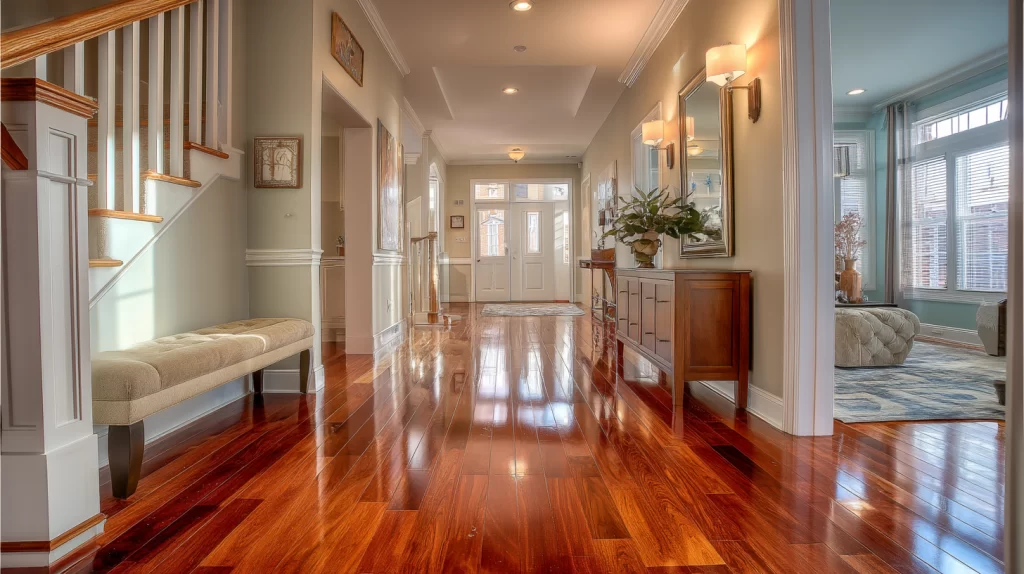
Step 1 Remove Loose Dirt Debris First
Begin by sweeping or vacuuming to remove loose dirt dust hair debris. Do daily or every few days especially in high traffic areas. Be sure to vacuum edges and corners and under furniture. Removing loose dirt first protects surface finish when mopping or using any damp pad.
Step 2 Spot Clean Spills Immediately
Any liquid spills stains should be wiped up immediately with a clean cloth or microfiber pad. Even small amounts of moisture left too long cause discoloration or warping. For stains use a gentle wood floor cleaner, or in some cases a drop of diluted solution, blot rather than scrub, then dry immediately.
Step 3 Damp Mop with Proper Mop and Pads
Fill bucket with warm water and cleaning solution or use a spray floor cleaner made for wood floors. Dip microfiber mop or pad, wring out until just damp, not wet. Mop in sections following wood grain, avoid leaving puddles or water standing. Rinse mop or pad periodically to avoid pushing around grime. Use warm water mixed with a few drops of wood floor cleaner for light clean. For tougher grime or buildup use stronger wood‑safe cleaner but still keep mop damp not wet.
Step 4 Dry Mop or Buff Surface
After damp mopping use dry mop pad or microfiber cloth to wipe or buff surface. Drying helps prevent moisture damage, stops moisture soaking into joints. Buffing also helps prevent streaking, restore shine. For engineered hardwood or finishes that reflect light badly, buffing after dry mop helps surface look even and clean.
Deep Clean Hardwood Floors Safely
Over time regular cleaning is not enough. To deep clean hardwood floors safely plan for periodic deep clean, maybe every few months depending on how dirty your floor gets, how many people live there or pets, or how much foot traffic there is. For deep clean use wood floor cleaner specifically formulated for deep cleaning, strong enough to lift grime but gentle enough not to damage finish. Avoid steam cleaning steep heat moisture combination. Deep clean procedure: remove furniture, sweep or vacuum, damp mop with deep clean solution, treat stains, rinse and dry thoroughly. Do not soak wood, do not let water sit.
What Not to Do: Common Mistakes That Cause Damage
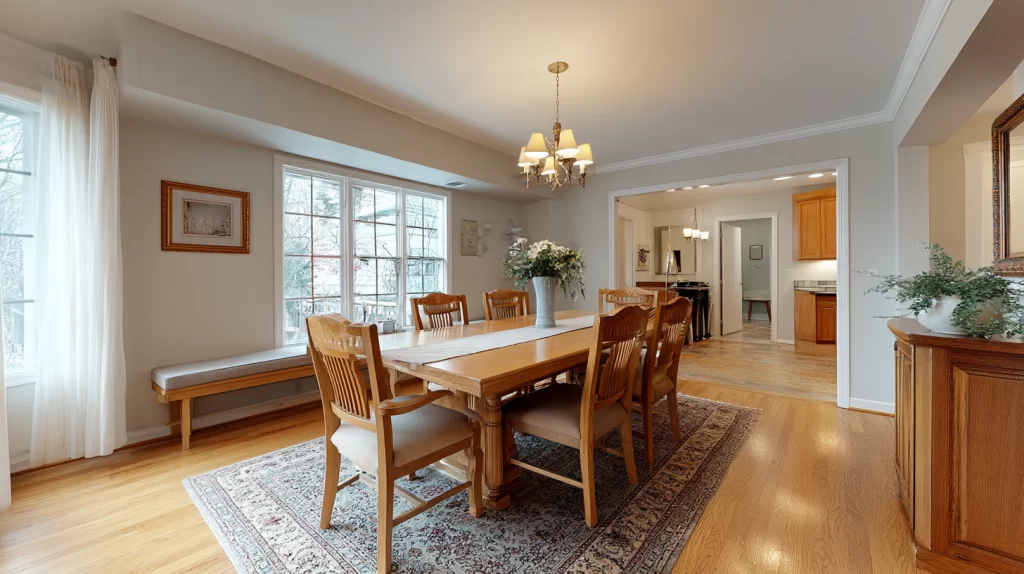
- Avoid using too much water or wet mop or bucket that soaks floor because too much water causes warping, swelling, damage between boards or under finish.
- Do not use steam cleaning on hardwood or engineered hardwood since steam cleaning forces hot moisture that can lift veneer, damage finish, and cause cupping.
- Never use harsh chemicals, abrasive cleaners, alkaline products or vinegar in strong concentration because they degrade finish, dull shine, leave residue, cause damage.
- Avoid rope or string mops, sponge mops that do not wring well, and tools that trap moisture or allow too much water contact.
- Do not let dust debris or dirt sit for long periods because foot traffic will grind particles into wood surface, leading to scratches.
- Avoid using wax or polish products not made for your floor type, especially engineered hardwood finishes that may have special sealants, coatings or warranties affected by wrong products.
Special Tips for Different Floor Types
For Engineered Hardwood
Engineered hardwood has a thin surface layer over plywood or composite core so finish matters a lot. Use tools and cleaning solution that are safe for finishes, avoid harsh treatment, avoid too much water, avoid steaming. Check manufacturer recommendations. When cleaning wood floors of engineered hardwood always use damp microfiber mop or spray mop with proper floor cleaner. Prevent moisture at edges of boards. Avoid deep sanding often because veneer can thin.
For Older Solid Hardwood Wooden Floors
If your wood floors are older or historic, or if they have wear through the finish, approach cleaning gently. Use less aggressive cleaning solution, perhaps only warm water with mild soap, or a specialized wood floor cleaner. Test any new cleaning products in hidden area first. Focus on dry mop, spot clean spills, minimize water, maintain finish and consider professional refinishing to restore surface when cleaning alone no longer works.
Preventative Care Tips to Keep Floors Cleaner Longer
- Use rugs runners doormats at door entryways to trap dirt, grit from shoes before wood floor surface sees it.
- Apply pads under furniture legs to prevent scratching from movement.
- Enforce a no‑shoes policy inside house to reduce dirt, grit, debris getting tracked in.
- Trim pet nails or keep pets clean to minimize abrasive dirt.
- Maintain indoor moisture control humidity between about 35% to 55% to avoid wood expansion contraction.
- Clean wood floor regularly, sweep or dry mop often, clean spills immediately, follow cleaning routine so dirt does not build up.
- Keep cleaning tools clean, wash microfiber mop pads frequently so they do not hold residue or smell or mold.
Best Cleaning Products and Recipe Ideas
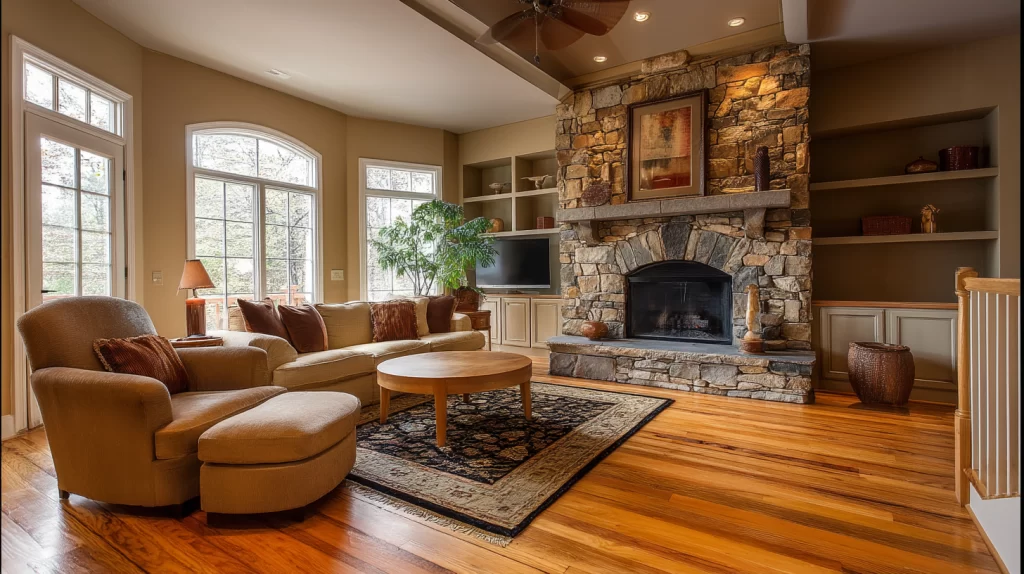
Choosing a good floor cleaner is essential. Here are safe options and small recipes:
- Use a wood‑safe cleaning product that is pH neutral, formulated for hardwood floors, or an EPA Safer Choice certified product.
- Bona Hardwood Floor Cleaner is often recommended in tests, especially spray type since it delivers cleaning solution without oversaturating surface.
- Murphy Concentrated Wood Cleaner is another that performs well for removing grime and maintaining shine with minimal residue.
- For light cleaning you can use warm water with a few drops of mild dish soap or wood floor cleaner, wrung‑out microfiber mop pad, then dry mop after.
- Avoid vinegar, oil soaps, bleach, alkaline or abrasive cleaners.
- For stain removal use small amount of hydrogen peroxide diluted properly, blot, rinse, dry. Use cloth or pad for localized spots.
Frequently Asked Cleaning Hardwood Floors Questions
How often should I clean my hardwood floors?
You should dry mop or sweep several times per week, vacuum weekly or more in high traffic areas, damp mop every week, deep clean every few months depending on how dirty your floor gets. Regular cleaning protects finish, prevents dirt build up, reduces need for refinishing.
Can I use vinegar to clean hardwood floors?
Vinegar is acidic and too harsh when used often or undiluted on wood floors. Occasional use diluted very very mild may help, but strong vinegar causes finish damage, residue, dulling. Best to use pH neutral cleaning solution or wood‑specific floor cleaner.
What is the best way to clean wooden floors with pet stains?
For pet stains treat spills immediately, blot with cloth, rinse with damp cloth, use wood safe floor cleaner or diluted hydrogen peroxide mix for stains, then dry thoroughly. Do not let stain saturate wood.
Is steam cleaning safe for hardwood or engineered hardwood?
Steam cleaning is not safe for hardwood or engineered hardwood. Heat plus moisture from steam cleaning can penetrate finish or seams causing warping swelling or damage. Use damp microfiber mop instead.
What kind of mop should I use to clean hardwood floors?
Use a microfiber mop or spray mop with microfiber pads, ensure mop is well wrung out so mop is damp not wet. Pads should be clean, replace or wash often. Avoid string mop or sponge mop that holds water.
Final Thoughts Keep Your Hardwood Floors Clean and Beautiful
How to clean hardwood floors properly makes all the difference between a dull, damaged floor and wood floors that shine, feel smooth underfoot, and last decades. Cleaning hardwood with correct tools like microfiber mop cloths, the right floor cleaner, a gentle cleaning solution, warm water with a few drops, regular cleaning routines for loose dirt and debris, and avoiding harsh chemicals, steam cleaning or abrasive cleaners ensures surface remains intact, finish remains beautiful, and wooden floors remain a source of pride in your home. If your floors are showing signs of wear, discoloration, deep stains or damage beyond regular cleaning then professionals who offer sanding refinishing and repair services can restore your floor’s beauty. Our team at Best Floor Coverings is always ready to help homeowners in Kirkland, Bellevue and Seattle with expert cleaning advice, maintenance and floor care services so you get beautiful, healthy hardwood floors for life.