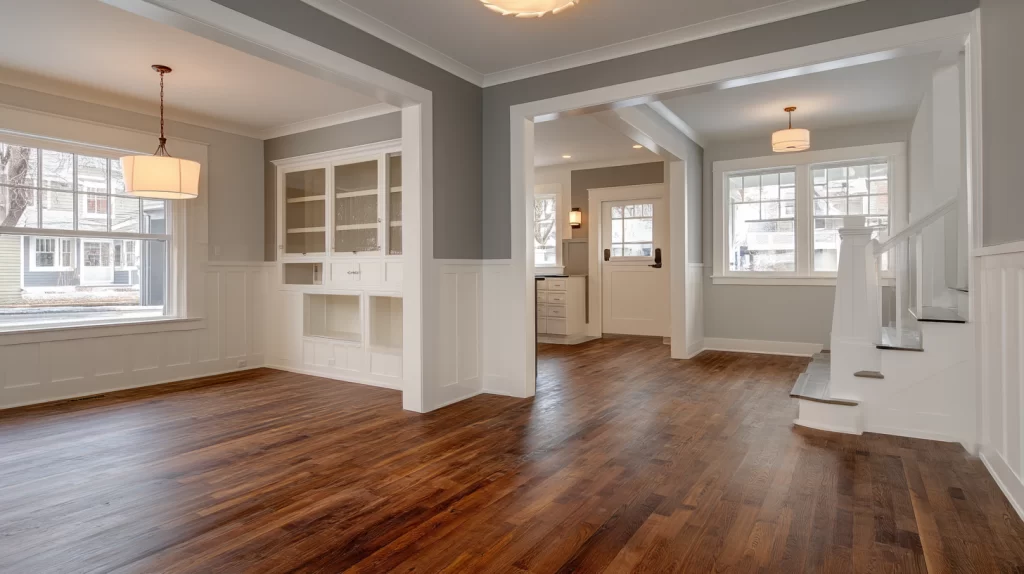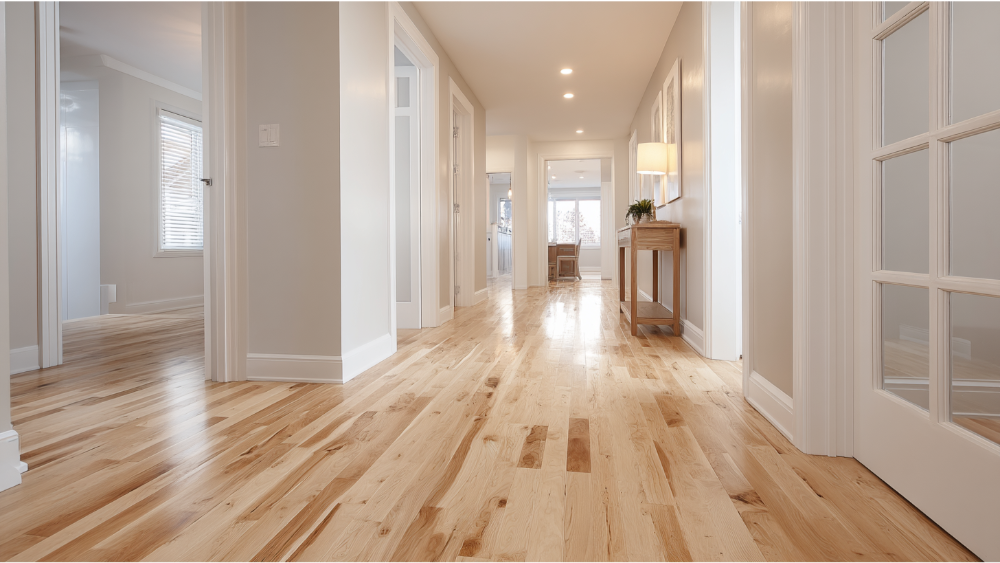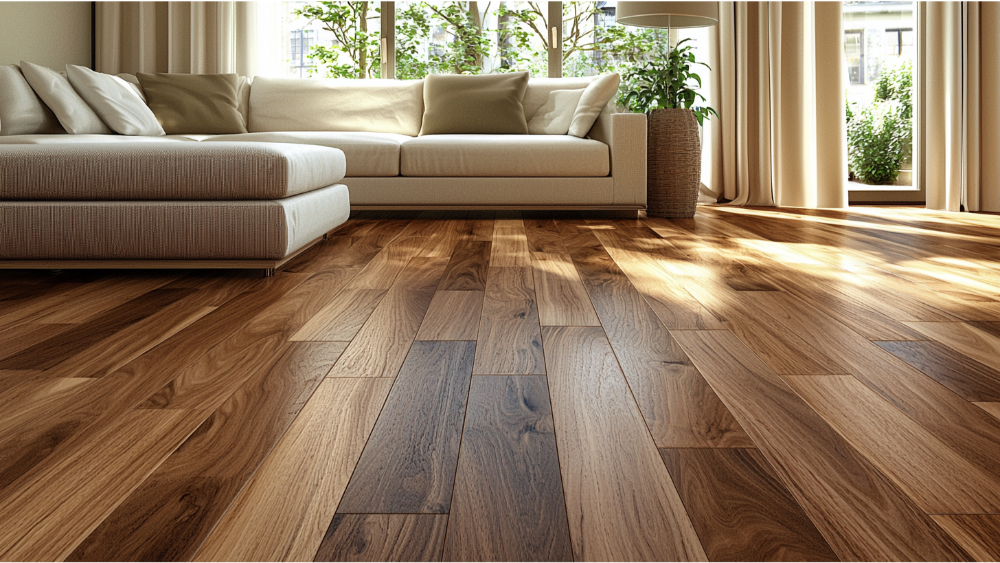



Engineered hardwood floors bring beauty, warmth, and durability into your home. But because engineered hardwood has a thinner wear layer than solid hardwood flooring, it requires a thoughtful cleaning routine. In this guide, we’ll walk you through how to clean engineered hardwood floors, best practices, common mistakes to avoid, and when to bring in professionals. Whether your house has a new floor of engineered wood or established oak floors, this is your go‑to reference.
What Is Engineered Hardwood, and Why It Cleans Differently
Engineered hardwood (or engineered wood) is made of a top veneer of real wood over a multi‑layer core, often plywood or high density fiberboard. Because of that layered design, the top wood layer is relatively thin. That means you must treat your floors gently to preserve their integrity and ability to refinish engineered wood floors when needed.
The advantages are clear, engineered flooring is more dimensionally stable in varying humidity, and many manufacturers allow it in basements or over concrete. But the thin layer means you can damage the finish or even reach the core if you use too much water, harsh chemicals, or abrasive techniques.
When cleaning engineered wood flooring you must balance effective cleaning with safety for the surface. A proper maintenance routine protects the appearance and finish over time.
Daily & Routine Cleaning for Engineered Hardwood Floors

Daily Sweeping or Vacuuming
Start every day with light maintenance. Use a soft broom or microfiber mop to sweep away dust, grit, pet hair, and debris. These particles can scratch your wood floor if left underfoot. A vacuum cleaner set to “hard floor” mode or with the beater bar turned off is also excellent. The goal is to prevent abrasive particles from damaging your finish, especially in high foot traffic areas.
Weekly or Regular Light Cleaning
Once or twice a week, perform a cleaning routine using a slightly damp microfiber mop (never wet mop). Use a cleaning solution that is pH balanced and specifically designed for wood floors or engineered hardwood. Many floor manufacturer recommendations will include trusted cleaning products such as Bruce Hardwood floor cleaner.
To prepare your own cleaner, you can mix distilled water with a few drops of essential oil in a spray bottle for a gentle, natural solution. Wring the mop thoroughly so it has only a few drops of moisture. Mop in the direction of the grain, working in small sections, and then immediately dry the area with a microfiber cloth to avoid standing water.
This approach helps maintain your engineered hardwood floors without risking water damage or moisture seeping under edges.
Why Avoid Harsh Chemicals, Steam Cleaners, Wax Based Cleaners, and Oil Soaps
Steam cleaners are a big no. The heat and moisture from steam cleaners can penetrate seams and cause warping, delamination, or damage to the finish. Many guides caution that steam cleaning is unsafe for engineered hardwood floors.
Likewise, avoid harsh chemicals, wax based cleaners, oil soaps, bleach, ammonia, or any cleaner that leaves residue. Harsh chemicals can dull or strip the floor finish. Instead, stick with mild, pH-neutral formulas. Some homeowners try using white vinegar or other household ingredients, but vinegar is acidic and may degrade the finish over time if used repeatedly.
Always spot test any cleaner in a discreet spot before applying broadly over the entire floor.
Deep Cleaning, Spot Stains & Treating Common Stains
Sometimes light cleaning isn’t enough, and a deeper clean or stain removal is needed.
Deep Cleaning Steps
- Remove all rugs, furniture, and obstructions so you have full access to the entire floor.
- Vacuum or sweep thoroughly to remove grit and debris.
- Prepare your cleaning solution as recommended (not overly strong).
- Use the microfiber mop slightly dampened, and clean the floor in sections. Avoid leaving wet trails or pooling moisture.
- Immediately go back with a dry microfiber cloth or mop to remove excess moisture.
During deep cleaning, pay attention to high foot traffic areas where grime accumulates fastest.
Treating Tough Stains or Spills
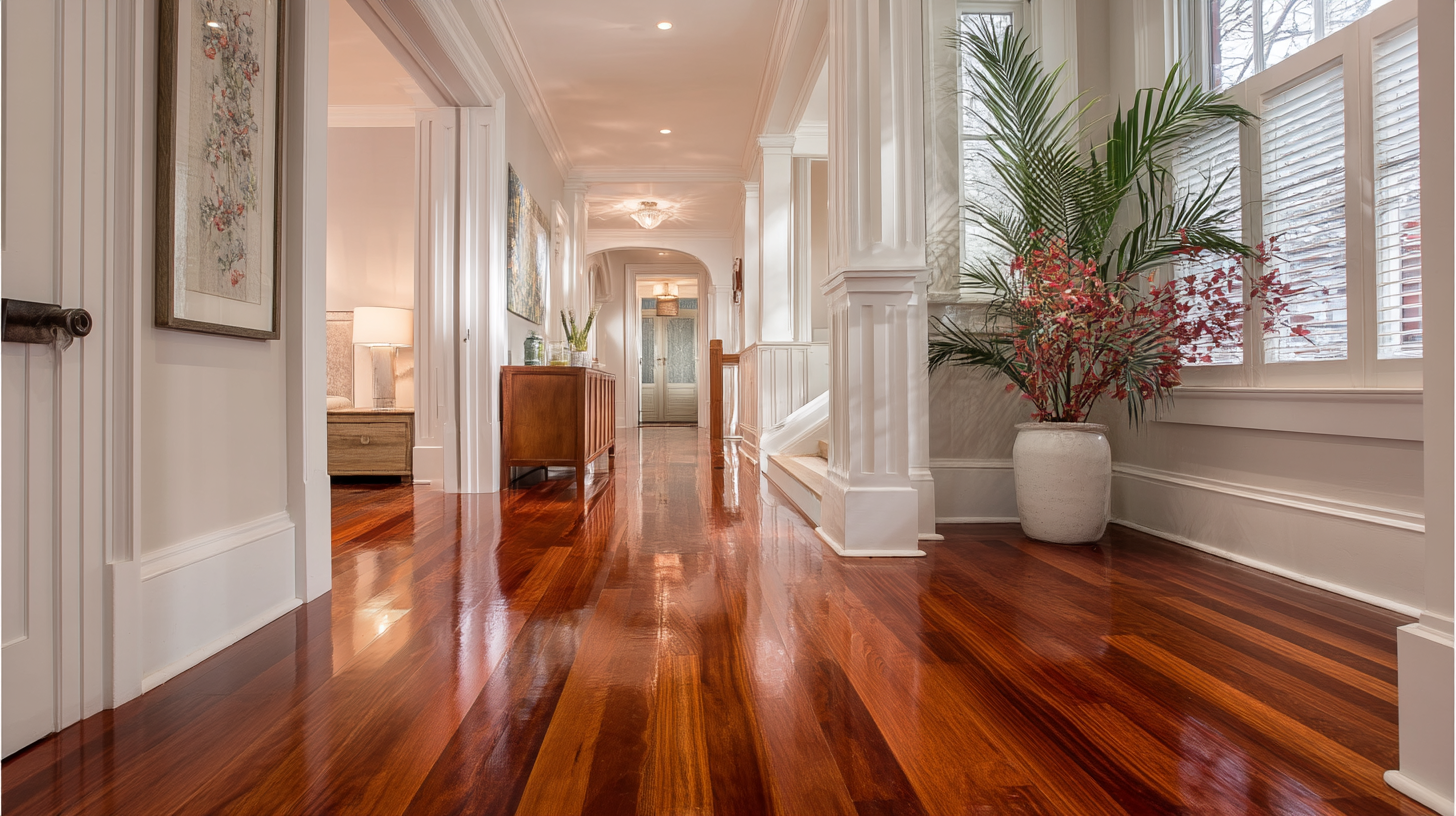
- Blot spills immediately with a dry microfiber cloth, don’t rub.
- Use a diluted floor cleaner on the spot, applied with a damp microfiber cloth.
- For tough common stains like red wine, pet accidents, or ink, some sources suggest using a diluted hydrogen peroxide solution, applied via a cloth over the stain (not pouring directly). Let it sit, then carefully blot and dry.
- Avoid abrasive scrubbing, rough materials, or harsh brushes which risk scratching the finish or thinning the wear layer.
If a stain persists, it may require professional touch up or recoating.
Long‑Term Protection & Preventive Care
Use Rugs, Runners & Entry Mats
Place entry mats and runners in doorways and high‑traffic zones to trap grit before it reaches your engineered wood flooring. These protect vulnerable areas and reduce the need for frequent deep cleans.
Furniture Pads & Safe Movement
Attach felt pads or protective glides beneath furniture legs. When moving heavy items, don’t drag them, lift them or use sliders to prevent scratches or gouging.
Footwear & Pets
Encourage a no‑shoes indoor policy or at least avoid wearing high heels, cleats, or shoes with deep treads that can carry dirt or small stones. Keep pet nails trimmed to minimize scratching.
Control Humidity & Avoid Excessive Moisture

Engineered hardwood tolerates humidity better than solid hardwood, but it’s still sensitive. Maintain indoor humidity between 35 % and 55 % to reduce expansion and contraction. When too much moisture infiltrates, warping or moisture seeping into edges can occur.
Avoid letting standing water linger on the wood, and quickly dry any damp areas.
Rotate Rugs & Inspect Periodically
Move area rugs and furniture occasionally so wear is more even. Inspect for scratches, dull areas, or surface breakdown so you can address small problems before they worsen.
When & How to Refinish or Refresh
Because engineered hardwood has a thin layer of real wood at the top, not every floor can be sanded and refinished often.
Signs You Need a Refresh
If your wood floor surface is dull, scratched, or showing more wear than cleaning remedies can fix, it may be time for a refresh or recoat.
Recoating vs. Full Refinishing
- Recoating: In many cases, your floor may only need a fresh coat of finish applied professionally, less invasive and safer for the thin veneer.
- Refinish engineered wood floors: If the wear layer is thick enough (often 3 mm or more) some engineered wood floors can support a light sanding and refinish, usually only once. Check with your floor manufacturer to see if your floor qualifies.
- Always preserve leftover planks (attic stock) to match or replace damaged boards rather than aggressive cleaning or refinishing.
If the damage is extensive, replacing the floor may be more practical than continual attempts to fix it.
Mistakes to Avoid When Cleaning Engineered Hardwood Floors

- Using too much water or wet mopping
- Steam cleaners
- Vinegar, bleach, oil soaps, or harsh chemicals
- Wax‑based cleaners
- Abrading or scrubbing with rough materials
- Letting spills sit too long
- Dragging heavy furniture without protection
These common missteps threaten the finish, allow moisture to penetrate, or scratch the surface.
FAQs About Cleaning Engineered Hardwood Floors
Can I use vinegar to clean engineered hardwood floors?
Occasionally in very diluted form, but frequent use is risky. The acidity can degrade the finish and leave residue.
Is steam cleaning safe for engineered floors?
No. Steam cleaners introduce too much heat and moisture and can warp or damage the floor finish and substrate.
What’s the best mop for engineered wood?
A microfiber mop or high quality damp mop is ideal, wrung out so it’s only barely damp.
Can you refinish engineered wood floors like solid hardwood?
Only if the wear layer is thick enough, and you must follow guidance from the floor manufacturer.
How often should I perform deeper cleans?
About once a month or as needed in high foot traffic zones.
What happens if moisture seeps under the boards?
It can cause warping, separation, or damage to your subfloor, acting early is critical.
Why Best Floor Coverings Is Here to Help
By following these steps for how to clean engineered hardwood floors, you protect the appearance and lifespan of your investment. But sometimes, you’ll want expert insights, professional recoats, or help assessing whether your floor can be refinished.
We’re a family‑owned, customer‑first flooring team ready to guide you. Explore our hardwood refinishing services, shop‑at‑home samples, or contact us to get personalized recommendations. Your floors deserve the best care, and we’re here to deliver it. Let us help you keep your engineered hardwood floors beautiful for years to come.