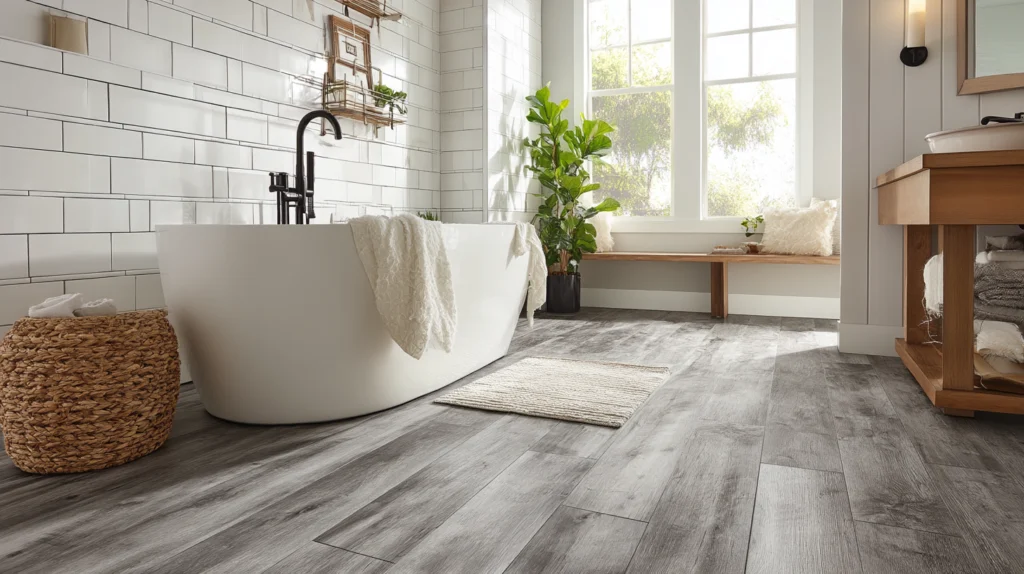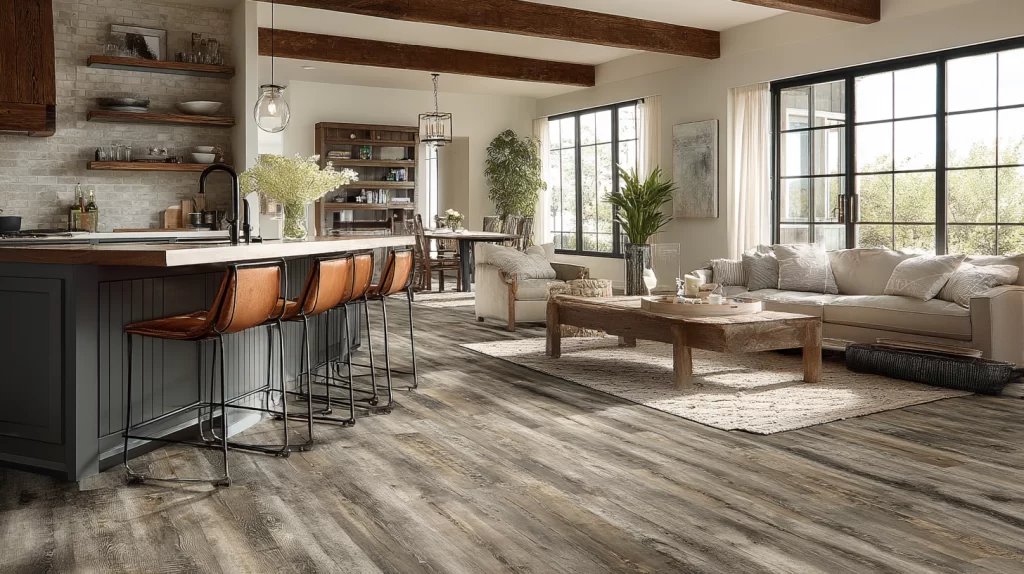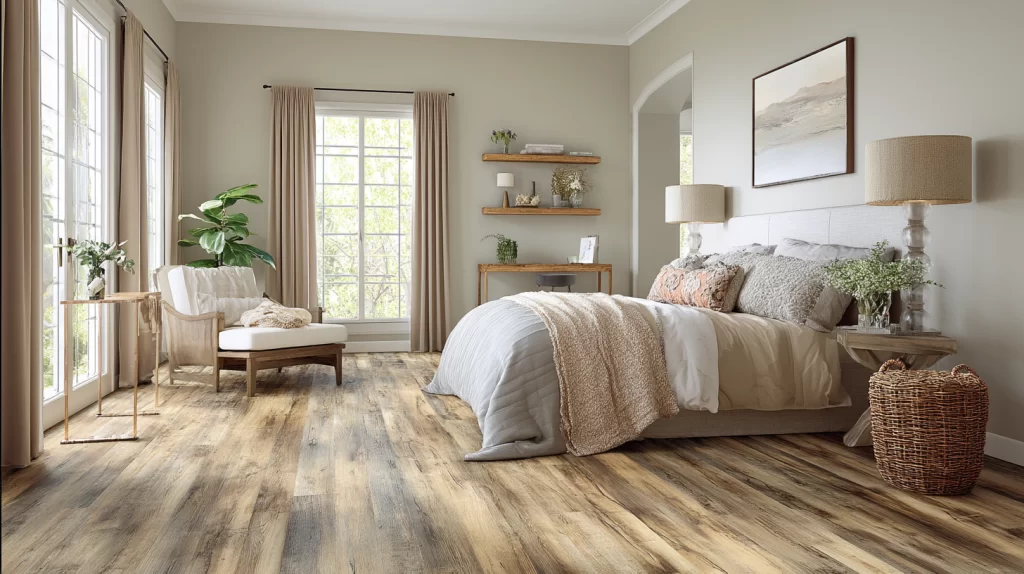



Vinyl flooring has become a top choice for homeowners in the Seattle, Bellevue and surrounding areas because it combines affordability, durability, and style. This synthetic flooring material offers the look and feel of natural materials without the high cost or maintenance. A key question many ask is, how long does vinyl flooring last? Whether you are selecting new flooring or wondering if your current floor is nearing the end of its life, understanding the lifespan of vinyl floors, especially luxury vinyl flooring, luxury vinyl plank flooring (LVP flooring), and luxury vinyl tile flooring (LVT flooring), is critical. At Best Floor Coverings, we believe in helping homeowners make smart choices based on real data, not guesswork.
The Short Answer: How Long Does Vinyl Flooring Really Last?
When you ask how long does vinyl flooring last you’ll typically hear: in residential spaces with proper installation and care, good quality vinyl flooring can last 10 to 25 years or more. For example, one specialist notes that “most high‑quality luxury vinyl flooring lasts between 15 and 25 years with normal use and care.” Another source states that the average lifespan of vinyl floor (sheet, plank, or tile) is 10‑20 years, with higher‑end products stretching to 20‑25 years.
Here is a quick overview:
| Flooring Type | Typical Lifespan | Notes |
|---|---|---|
| Standard vinyl flooring (sheet, basic tile) | 10‑15 years | Lower cost, thinner wear layer |
| Good quality luxury vinyl flooring / luxury vinyl tile / luxury vinyl plank | 15‑25 years | Better materials, thicker layers, professional installation matters |
| Premium rigid‑core luxury vinyl plank (LVP flooring) or luxury vinyl tile (LVT flooring) | Up to 25 years or more | With very high‑quality product, excellent installation, proper maintenance |
So yes, if you choose a high quality vinyl floor, ensure expert professional installation, and follow proper care, you can expect your vinyl flooring to serve you well for many years.
Key Factors That Affect How Long Vinyl Flooring Lasts
Understanding how long vinyl flooring lasts depends on several key factors. These help you see not just a lifespan estimate, but what controls that lifespan in your home.
Product Quality: Why Material Matters
Not all vinyl flooring is created equal. When we talk about luxury vinyl flooring, luxury vinyl plank flooring, luxury vinyl tile, and vinyl plank flooring, what differentiates a long‑lasting floor from one that wears out quickly often comes down to the construction, especially the wear layer.
- The wear layer is the transparent top surface that resists scratches, stains, and surface wear. The thickness of the wear layer (measured in mils) is one of the most critical elements in determining durability.
- For example, entry‑level options might feature wear layers under 12 mil, suitable for low‑traffic areas, but may have a shorter lifespan.
- Higher‑end products might feature thicker wear layers of 20 mil or more, designed for more demanding use.
- The core layer also matters: newer products using rigid cores such as stone plastic composite (SPC) or wood plastic composite (WPC) cores offer greater stability, resistance to moisture, and longer life.
- The backing layer provides additional support and stability to the flooring, contributing to its overall durability.
- In short, if you choose vinyl flooring with a thicker wear layer, good core layer, and strong construction, you are investing in longevity.
As a homeowner seeking flooring that lasts, look for terms like “high quality vinyl,” “rigid core,” “stone plastic composite,” “wood plastic composite,” and ask our sales team about wear layer thickness.
Subfloor & Installation Quality
Even the best vinyl specification can fall short if installation is poor. Proper installation is a critical “key factor” when considering how long vinyl flooring lasts.
- The subfloor must be clean, dry, level, and free from defects; if not, you risk uneven fading, warping, or early failure.
- Poor installation or improper acclimation can lead to seams lifting, planks separating, or edges curling. These issues reduce the lifespan of vinyl floors.
- Because of this risk, professional installation is strongly recommended, especially for luxury vinyl plank and tile installations in high‑traffic areas or moisture‑prone locations.
Here at Best Floor Coverings, we handle the full subfloor preparation to give your vinyl flooring the best shot at lasting its full potential.
Home Environment & Daily Use
Another major consideration when thinking about “how long does vinyl flooring last” is how the floor will be used, and under what conditions.
- High foot traffic zones such as entryways, kitchens, family rooms (“high traffic areas”) cause more wear than quieter zones like guest bedrooms. Floors in these busy spaces naturally wear faster.
- Contact with pets, children, heavy furniture movement, and frequent spills all accelerate surface deterioration.
- Exposure to direct sunlight through large windows can cause fading or damage to the design layer. Many homeowners don’t think about how sunlight affects vinyl floors over time.
- Moisture and humidity matter too: whereas luxury vinyl plank and tile are often water resistant or even waterproof, if moisture enters the subfloor or under the vinyl it can shorten the floor’s life.
So part of ensuring your flooring lasts is selecting the right product for the right use, and controlling your home environment accordingly.
Maintenance & Upkeep
Even tough flooring needs care. One of the biggest mistakes in estimating how long vinyl floors will last is neglecting to mention maintenance.
- Vinyl flooring is often pitched as “low maintenance,” and that’s a big part of the appeal. But “low maintenance” doesn’t mean “no care.”
- Simple habits, like sweeping regularly to remove grit that can scratch the surface, using mats at entryways to trap dirt, placing felt pads under furniture to resist scratches, make a difference.
- Avoid harsh chemicals and aggressive cleaning methods. These can degrade the protective wear layer and shorten longevity.
- Another tip: block direct sunlight or use window treatments to prevent uneven fading.
If you commit to these “a few simple habits” you can significantly extend how long your vinyl flooring lasts.
How to Make Your Vinyl Floors Last Longer
Since you now know what affects longevity, let’s talk about actionable steps to make your vinyl flooring last as long as possible.
Use Area Rugs and Felt Pads
In high‑use zones such as entryways or family rooms where vinyl plank is likely to see more foot traffic, placing area rugs helps trap dirt and moisture before it hits the vinyl surface. Felt pads under furniture legs reduce pressure points and scratching from movement of chairs or sofas. These small protections add up to a big difference in lifespan.
Clean Regularly (But Gently)
Basic cleaning regimen: dry dust or sweep regularly, vacuum with a soft roller head, and occasionally damp mop with a pH‑neutral cleaner designed for vinyl floors. Avoid harsh chemicals and abrasive scrubbing. Also, always wipe up spills quickly, especially in kitchens or bathrooms, so moisture doesn’t creep under the floor or degrade the wear layer.
Control Moisture and Humidity
For rooms like bathrooms or basements where moisture is a concern, choosing a vinyl flooring product with waterproof or water‑resistant core is a smart move. Ensuring proper underlayment, vapor barrier where needed, and controlling humidity in your home all contribute to a longer life for your vinyl floor. At Best Floor Coverings, we often recommend upgrading to luxury vinyl tile or luxury vinyl plank with rigid core for those environments because they offer enhanced stability and durability.
Periodic Inspection and Minor Repair
Check your vinyl flooring periodically for signs of wear, lifting seams, or moisture intrusion. Early attention to issues like edge lift or minor damage can prevent more serious problems that shorten the lifespan of your entire floor. As a local family‑owned company, we’re happy to inspect for you and recommend maintenance or repairs when needed.
Signs It’s Time to Replace Your Vinyl Flooring
Even with the best maintenance, every floor has a lifespan. Here are signs that your vinyl floor may need replacing:
Peeling, Cracking or Warping
If the vinyl planks or tiles are lifting at the seams, or the surface is cracking or curling, you’re looking at end‑of‑life on your vinyl flooring.
Discoloration or Unusual Fading
If you notice the design layer is fading unevenly (often due to direct sunlight through large windows) or has burn spots, the protective wear layer may no longer be performing.
Persistent Moisture Problems
If water is seeping under the floor or you detect mold/mildew or a musty odor, the subfloor may be compromised and replacement is the safest option.
Surface Worn or Dull
When the wear layer has thinned to the point where deep scratches, dents, and stains become permanent, your vinyl flooring may be nearing the end of its useful life. At that point the “long vinyl flooring lasts” question becomes less relevant than “how soon do I need to replace”.
If you recognize these signs in your home, consider planning for a replacement. Our flooring removal and replacement services make the process as smooth and stress‑free as possible.
How Long Vinyl Flooring Lasts in Seattle Homes (Local Context)
In the Pacific Northwest, Seattle, Bellevue, Kirkland, there are specific climate and lifestyle factors that influence lifespan of vinyl plank and tile flooring.
Climate, Moisture & Use Patterns
Because our region tends to have more rain, higher humidity and more indoor‑outdoor transitions, selecting a moisture‑resistant vinyl flooring product is particularly smart. Also, our homes often have large windows and lots of natural light, which means “direct sunlight” and “uneven fading” are real factors. Choosing products with UV resistance and using window treatments helps.
Our Recommendation for Durable Vinyl in this Region
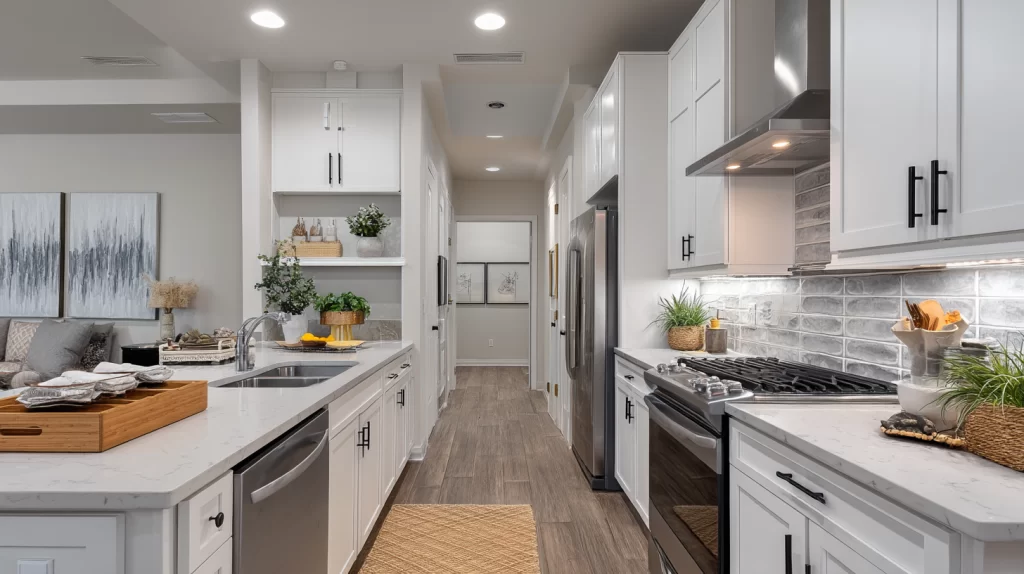
For homeowners seeking a long lasting floor in the Seattle area, we recommend investing in high quality vinyl flooring with the following specs:
- Rigid core construction (SPC or WPC)
- Wear layer thickness of 20 mil or more (or the highest you can get within budget)
- Professional installation with full subfloor prep (level, dry, clean)
- Good maintenance plan (area rugs, mats, felt pads, gentle cleaners)
When you combine well‑specified materials, expert install and care, you are giving your floor every chance to reach or exceed the high end of its lifespan potential (20‑25 years).
FAQs About Vinyl Flooring Lifespan
Is vinyl flooring waterproof?
Many modern vinyl plank and vinyl tile products are 100 % waterproof or highly water resistant, especially those with rigid core construction. Always check product specs and ensure proper installation and edge sealing to maximise lifespan.
Can vinyl floors be refinished?
Unlike wood, vinyl floors cannot be refinished in the traditional sense. Once the wear layer has worn through the design layer, replacement is the realistic option.
What type of vinyl lasts the longest?
The longest‑lasting vinyl flooring options are high quality luxury vinyl plank (LVP flooring) or luxury vinyl tile (LVT flooring) products with rigid core construction (SPC/WPC), thicker wear layers and professional installation.
Does the wear layer really matter?
Yes, absolutely. The wear layer (or wear layer thickness) is the topmost protective layer. Data shows that higher quality sheet with thicker layers will naturally last longer.
What’s the best vinyl flooring for pets and kids?
Choose a high quality vinyl plank or tile with a thick wear layer, durable core, and easy‑to‑clean surface. Use felt pads under furniture, area rugs in high use areas, and avoid harsh chemicals when cleaning.
Final Thoughts: Making Vinyl Flooring a Long‑Term Investment
If you want your new flooring to serve you for a decade or two, vinyl flooring is absolutely a smart choice, particularly when you consider how long does vinyl flooring last under the right conditions. With attention to product quality, installation, home environment and maintenance, your vinyl floors will deliver excellent value.
For homeowners in the Seattle and Bellevue region choosing vinyl flooring for your home renovation, we at Best Floor Coverings are here to guide you from product selection through installation to care. Whether you choose vinyl plank flooring that resembles hardwood and feels warmer underfoot than traditional tile, or luxury vinyl tile that mimics ceramic tiles without the cold feel, we ensure the details are done right so you get maximum lifespan and performance.
Ready to explore flooring options, schedule a shop‑at‑home consultation or get a free estimate? Contact us today and let’s make sure your next flooring project is one that truly lasts.