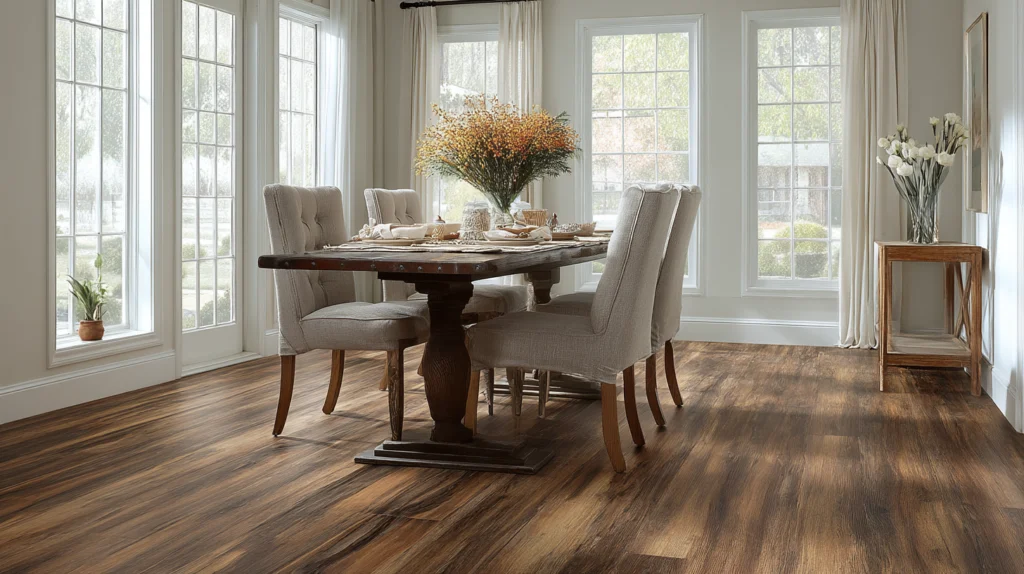



How Do I Care for LVP After Installation? A Complete Homeowner’s Guide
Luxury vinyl plank (LVP) flooring is one of the best choices for homeowners who want the look of traditional hardwood without the high maintenance. After the installation is complete, many ask, “how do I care for LVP after installation?” It’s essential to understand this to keep your new floors looking beautiful for years to come. From regular cleaning routines to long-term protection strategies, this guide covers it all.
Why Proper LVP Maintenance Matters
Luxury vinyl flooring is incredibly durable, but proper care is still critical if you want to protect your investment. Unlike traditional hardwood or tile, LVP flooring resists water and scratches better, but it’s not completely indestructible. Over time, dust, dirt, and debris can wear down the protective wear layer, especially in high-traffic areas. Routine cleaning and maintenance prevent stains, surface dullness, and permanent damage.
After installation, your floor may look perfect, but small habits make a big difference in how well it holds up. Cleaning chemicals, excess water, and even shoes with grit on the soles can cause long-term wear if not managed properly. By understanding what to do (and what to avoid), you’ll extend the life of your vinyl plank floors and maintain their shine.
Day-to-Day Cleaning Tips
Sweep, Vacuum, or Dry Mop Regularly
One of the easiest ways to maintain vinyl floors is to vacuum regularly or sweep with a microfiber broom. Dust and loose dirt can act like sandpaper, gradually wearing away the surface. To avoid scratches, use a vacuum without a beater bar. A beater bar can damage the surface and weaken the floor’s finish.
Make it a habit to sweep or mop high-traffic areas daily. A soft broom or dust mop works well for picking up pet hair, debris, and dust particles. Regular cleaning is essential to keep grit and sand from embedding into the glue lines or seams.
Handle Spills Right Away
Although luxury vinyl flooring is water resistant, letting spills sit can lead to discoloration or residue buildup. Always wipe spills immediately with a clean, dry cloth. For sticky spots, use a damp cloth with warm water and a touch of ph neutral cleaner. Avoid soaking the floor, as standing water can seep into seams and affect the glue underneath.
Create a No-Shoes Zone
Shoes track in grit, mud, and moisture. A no-shoes policy inside your home will reduce the amount of abrasive debris and protect the wear layer. Consider placing mats at all entrances and using rugs in busy areas like kitchens and hallways.
Weekly and Deep Cleaning Routine
Damp Mopping the Right Way
Once a week, damp mop your LVP flooring using a soft mop and a ph neutral cleaner designed for vinyl. Avoid soaking the mop, excess water can seep into the floor’s seams or damage the glue-down bond. Wet cleaning should always be done with care.
Use warm water and a small amount of approved vinyl floor cleaner. Rinse the mop frequently and always wring it out before going back on the floor. Make sure to rinse the surface afterward with clean warm water to remove any cleaning chemical residue.
Avoid Harsh Cleaners and Common Mistakes
Never use abrasive cleaners like bleach, ammonia, or vinegar on your vinyl plank floors. These harsh cleaners can break down the finish and dull the shine. Steam mops may sound convenient, but the high heat and moisture they produce can weaken glue bonds, warp the planks, and lead to lifting at the seams.
Also avoid wax, polish, or oil-based products. These may seem like a good way to add shine but can leave a sticky residue and cause buildup that’s hard to remove.
Furniture, Pets, and High-Traffic Zones
Protect with Felt Pads and Furniture Sliders
Heavy furniture like sofas, chairs, and appliances can dent or scratch your vinyl floors. Use felt pads under all furniture legs, especially chairs that get moved frequently. For larger pieces, use furniture sliders to shift them without damaging the surface.
Never drag heavy furniture across the floor. Instead, lift it or use sliders to prevent scratches or damage to the glue.
Pets and Play Areas
Trim your pet’s nails regularly to avoid surface scratches. Keep pet toys soft and avoid rubber toys with textured surfaces that can rub against the vinyl. Clean up pet hair and messes quickly to avoid residue buildup.
Rugs, Runners, and Mats
Use rugs or runners in high-traffic areas to reduce wear. Entryway mats help trap dust and dirt before it gets to your floors. Make sure rug backings are vinyl-safe and avoid rubber or latex, which can cause discoloration.
Long-Term Protection Strategies
Minimize Sunlight Damage
Vinyl floors can fade or discolor with prolonged exposure to direct sunlight. Use curtains, blinds, or UV window films to protect rooms that get a lot of light. Move rugs and furniture occasionally to ensure even wear.
Seasonal Cleaning and Inspections
Each season brings new cleaning challenges. Spring pollen, summer sand, fall leaves, and winter mud can all introduce dirt and grit. Perform a deep clean every few months and inspect seams, edges, and transition strips for any lifting or damage.
Subfloor and Glue Concerns
Even with great care, problems can arise from underneath the surface. If you notice creaking, shifting, or uneven planks, the subfloor may need attention. Water damage, glue failure, or poor leveling can affect how your LVP performs. Schedule a professional inspection if you suspect an issue.
LVP Cleaning Product Guide
Top Cleaners for Vinyl Floors
To maintain shine and avoid residue, choose cleaners specifically made for vinyl plank floors. Look for products labeled as ph neutral and safe for LVP.
Recommended options include:
- Bona Hard-Surface Floor Cleaner
- Zep Neutral pH Floor Cleaner
- Rejuvenate Luxury Vinyl Floor Cleaner
Always follow product directions and test in an inconspicuous area first.
Safe DIY Cleaning Solutions
If you prefer a homemade option, mix warm water with a small amount of mild dish soap. This solution is safe for most LVP flooring. For tough scuffs or stains, apply a small amount of mineral spirits with a soft cloth and rub gently. Rinse with clean water afterward and dry thoroughly.
Avoid using denatured alcohol or vinegar, as these can degrade the wear layer or leave streaks.
Common Questions About LVP Maintenance
Can I Use Steam Mops on Vinyl Floors?
No. Steam mops introduce excess heat and moisture, which can damage the surface, weaken glue, and cause lifting. Stick with damp mopping using warm water and a ph neutral cleaner.
How Often Should I Clean My LVP Floors?
Sweep or vacuum daily, mop weekly, and deep clean every season. The more often you remove dust and dirt, the longer your vinyl floors will last.
What if My LVP Starts Buckling or Lifting?
This usually indicates glue failure or subfloor issues. Avoid wet cleaning until the problem is fixed. Call a professional to assess and repair the damage before it spreads.
Are There Specific Products I Should Avoid?
Yes. Never use bleach, vinegar, wax, or abrasive cleaners. These damage the wear layer and make the surface dull. Always rinse after cleaning and avoid letting water sit too long on the surface.
When to Call in the Professionals
Some issues with LVP flooring require more than just cleaning. If your planks are lifting, warping, or showing signs of subfloor moisture, it’s time to consult a flooring expert. Proper care can prevent most problems, but sometimes professional repair or replacement is necessary.
Professional maintenance can also refresh your new floors and bring back the shine. A flooring company can also recommend safe products and techniques specific to your installation and room conditions.
Final Thoughts: Maintain and Protect Your New Floors
Learning how to care for LVP after installation doesn’t have to be overwhelming. With the right habits and cleaning schedule, your vinyl plank floors will continue to look great for years. Use a ph neutral cleaner, vacuum regularly, and avoid steam mops or harsh cleaners. Protect your investment by wiping spills immediately, placing pads under furniture, and using rugs to limit wear.
Luxury vinyl flooring offers the perfect balance of beauty and durability, but even the most durable floors benefit from regular cleaning and proper care. Whether you’re dealing with daily messes or preparing for a deep seasonal clean, the tips above will help you maintain a clean, safe, and stylish home environment.
If you ever have questions about installation, maintenance, or repair, reach out to your local flooring specialists. Taking care of your floors means they’ll continue to take care of your home for years to come.