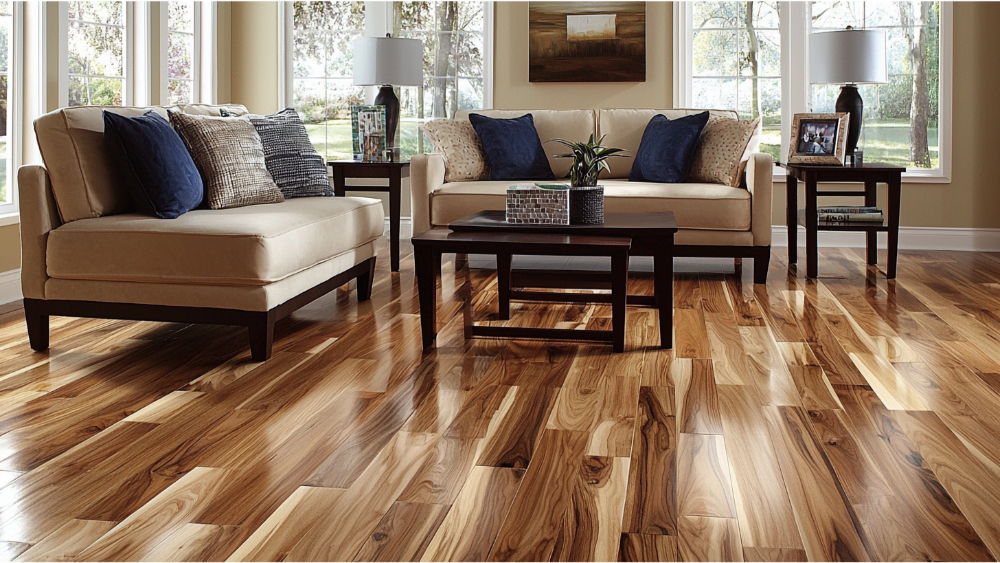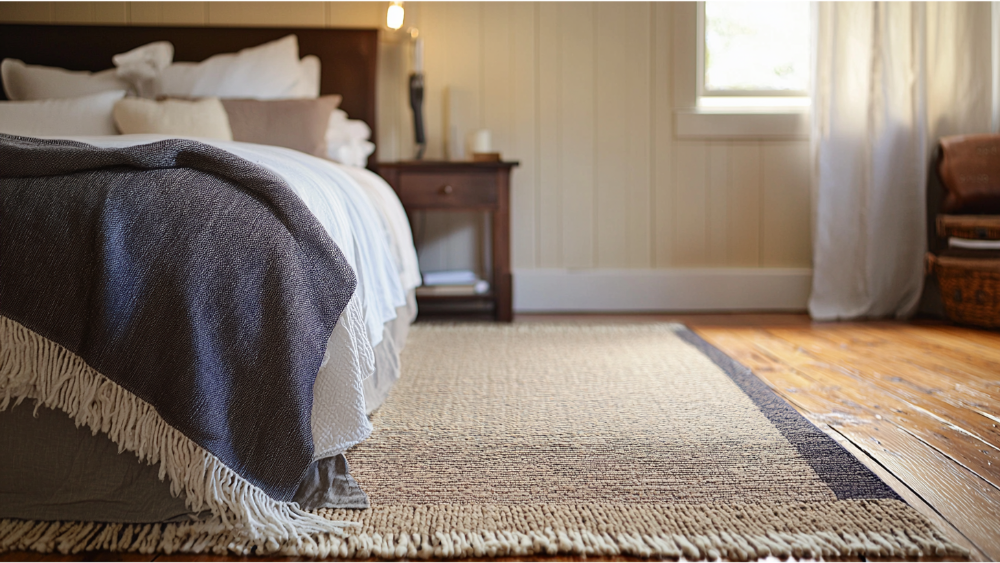


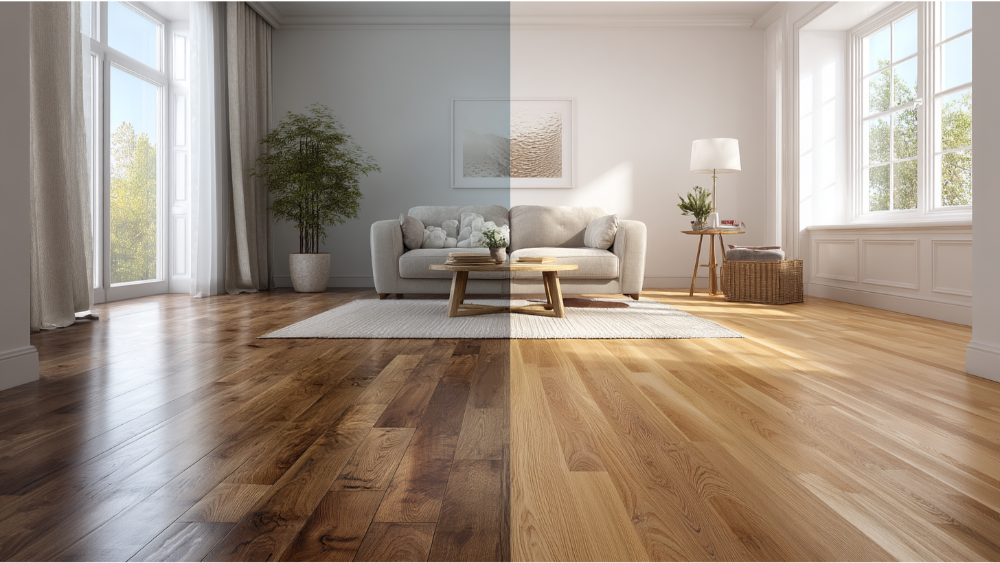
When it comes to upgrading your home’s flooring, few options match the warmth, beauty, and timeless appeal of hardwood. But in today’s flooring market, homeowners face a big decision: engineered hardwood vs hardwood. What’s the difference? Which is better for your space? And how do you know which one offers the best value?
At Best Floor Coverings, we help homeowners in Kirkland, Seattle, and Bellevue navigate the world of wood flooring with confidence. This guide will break down the key differences between engineered hardwood flooring and solid hardwood flooring, helping you choose the right product for your lifestyle, budget, and home environment.
What Is the Difference Between Engineered Hardwood Flooring and Solid Hardwood?
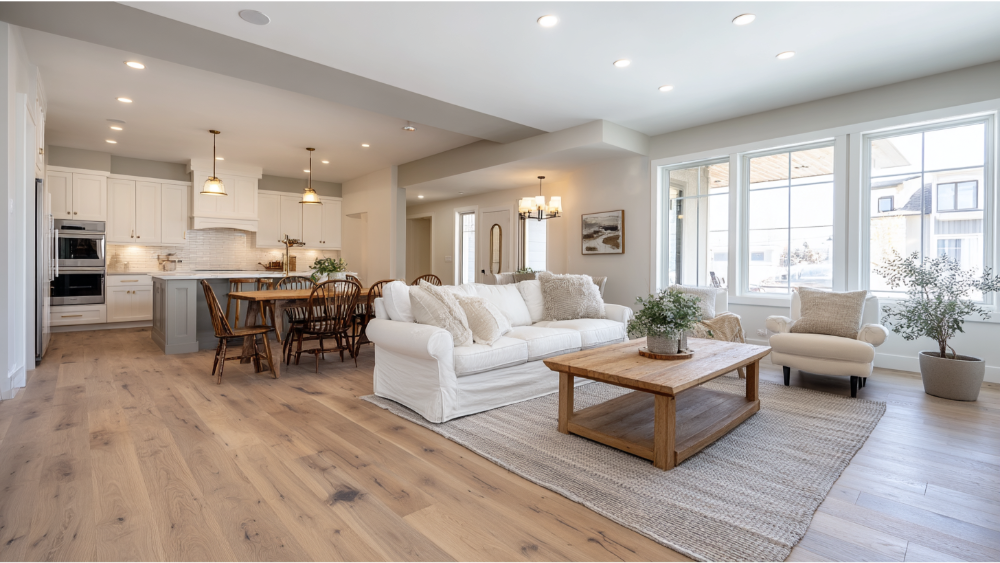
The a few key differences between engineered hardwood and solid hardwood begin with how they’re constructed.
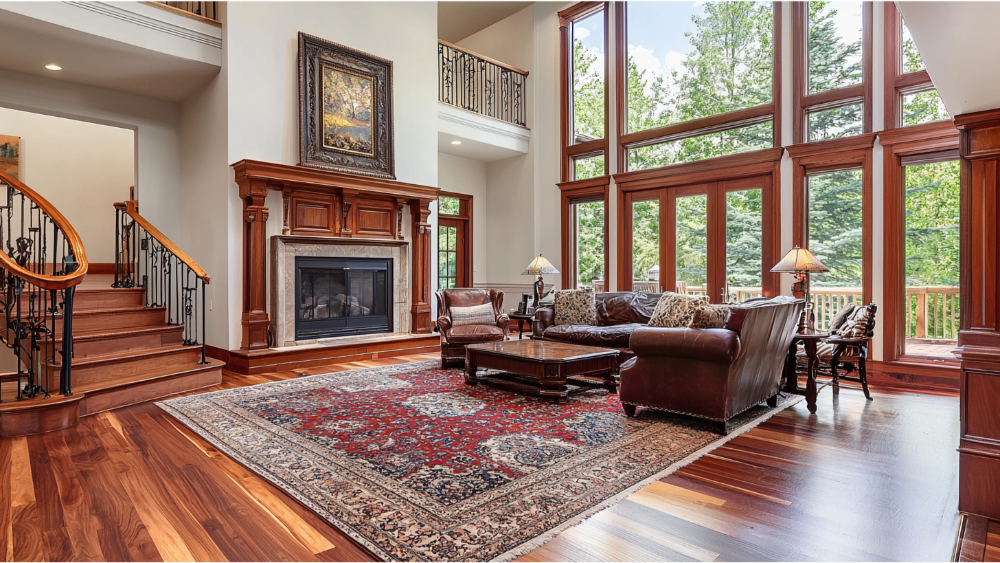
Solid hardwood is made from a solid piece of real wood, milled from a single wood species like oak, maple, or hickory. These solid wood floors are known for their longevity, classic appeal, and ability to be refinished multiple times.
Engineered hardwood, by contrast, is an engineered product that combines a veneer layer of actual hardwood on top with a plywood core or high density fiberboard base. The result is engineered wood flooring that looks just like traditional hardwood but offers greater moisture resistance and installation flexibility.
Solid Hardwood at a Glance
- Made from 100% solid wood
- Typically ¾ inch thick
- Installed using nail-down methods
- Can be refinished 4 to 6 times
- Ideal for upper floors in the entire house
Engineered Hardwood at a Glance
- Made from a thin layer of real wood over a plywood or fiberboard base
- Comes in a variety of thicknesses
- Can be installed using floating floor, glue-down, or nail-down methods
- Can be refinished 1 to 3 times, depending on the wear layer
- Works well in bathrooms, laundry rooms, and over concrete floors
Comparing Durability, Moisture Resistance, and Longevity
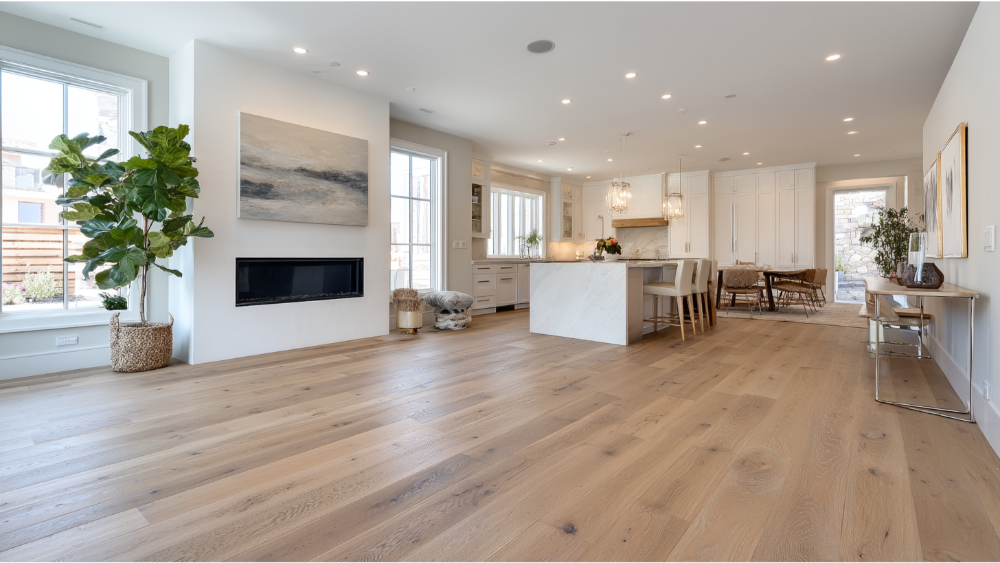
Better Durability for Everyday Living
When it comes to durability, both flooring types perform well, but the edge goes to engineered hardwood for its resistance to changes in temperature and moisture. That’s because its plywood core stabilizes the top layer, making it less likely to warp or cup in humid conditions.
Solid hardwood, while incredibly durable, is more sensitive to environmental changes. Homes in the Pacific Northwest, like those in Kirkland or Bellevue, experience seasonal shifts in humidity that can impact solid hardwood floors if not properly installed and acclimated.
In terms of scratch resistant qualities, engineered hardwood often features a factory finish that enhances scratch resistance, making it a practical choice for busy households or homes with pets. Solid hardwood vs engineered hardwood in scratch resistance can vary depending on the wood species and finish used, but engineered floors generally offer better protection against everyday wear.
Water Resistance and Moisture Control
If you’re installing wood flooring in moisture-prone areas such as bathrooms, laundry rooms, basements, or homes with concrete floors, engineered hardwood flooring is the clear winner. It offers better water resistance and stability, making it a safer bet for these environments.
Installation Methods and Subfloor Requirements
Solid Hardwood Installation
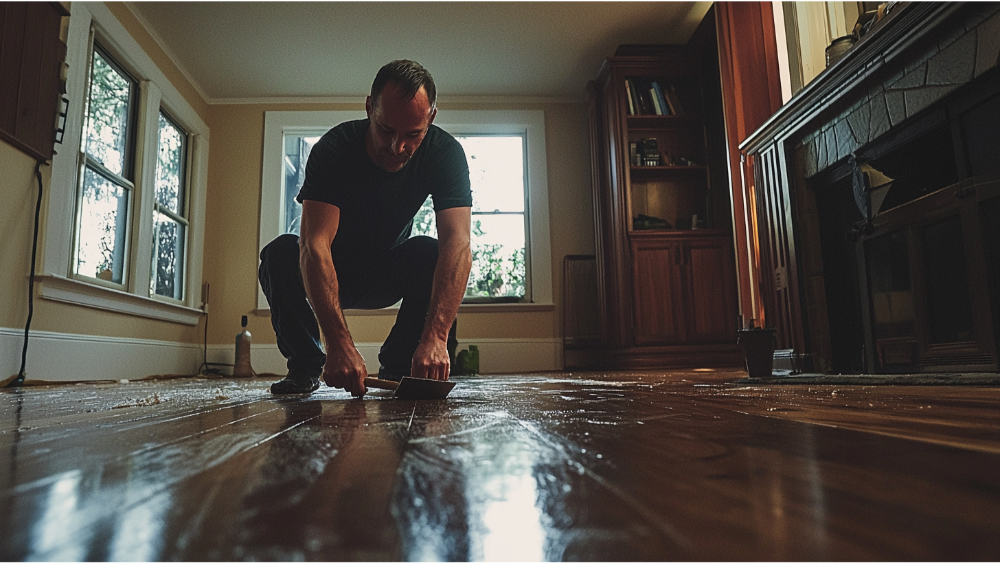
Solid hardwood flooring typically requires a plywood subfloor and is installed using nail-down or staple-down methods. It also requires acclimation, meaning the flooring must sit in your home for several days to adjust to the environment before installation.
Engineered Hardwood Installation
Engineered wood floors offer more flexible installation options. You can glue them down, float them, or staple them, making them suitable for a variety of surfaces, including concrete floors. This versatility often results in lower labor costs and faster installation.
If your subfloor is uneven, we also provide subfloor leveling and repair services to ensure your flooring is installed on a solid, stable base.
Cost Breakdown: Materials and Installation
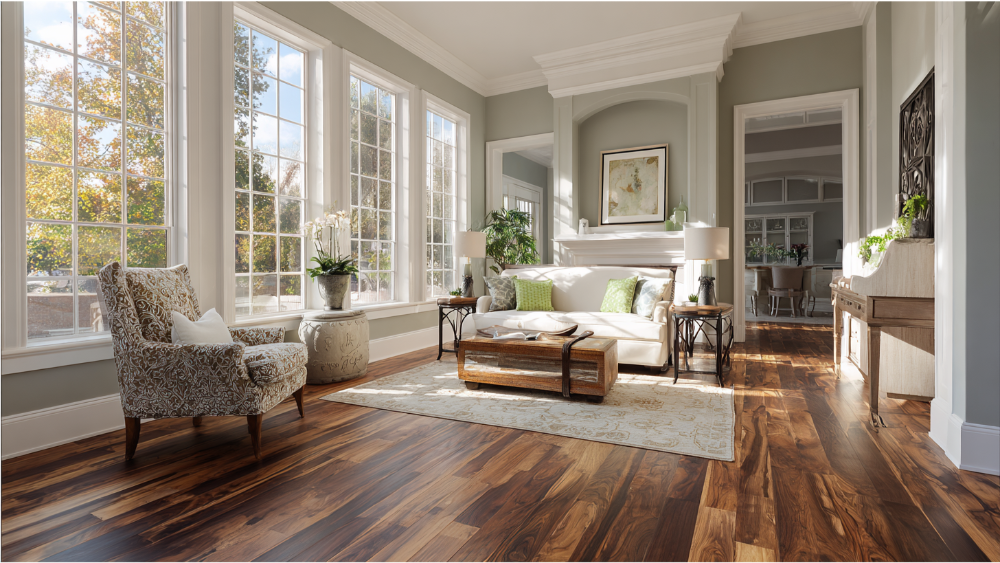
Square Foot Pricing
- Engineered hardwood flooring typically costs between $4 and $16 per square foot, depending on wood species, top layer thickness, and finish.
- Solid hardwood flooring ranges from $6 to $25 per square foot, with premium woods like oak or walnut on the higher end.
Cost-Effective Options
While solid hardwood may have a longer lifespan, engineered hardwood is often more cost effective upfront, especially when you factor in installation time and materials. Additionally, many engineered floors come with a factory finish that includes a strong protective finish, eliminating the need for onsite sanding or staining.
Appearance and Style: Can You Tell the Difference?
Thanks to modern manufacturing, engineered hardwood looks virtually identical to traditional hardwood. Since the top layer is made from real hardwood, it captures the same grain patterns, color variations, and natural beauty as solid hardwood.
If you love the wide-plank look or want a modern, clean aesthetic, engineered hardwood flooring offers more size and style options. Planks can be up to 12 inches wide, giving your space a high-end, open feel.
Solid hardwood, however, often wins for character and aging. Original hardwood floors develop a patina over time that many homeowners find irreplaceable.
Refinishing Potential and Wear Layer Thickness
Understanding the Wear Layer
The wear layer on engineered wood is critical. Thicker top layers (3mm or more) allow for multiple rounds of refinishing, while thinner options may not be refinished at all. Always check the veneer layer thickness before you choose engineered hardwood flooring.
Solid wood floors, on the other hand, can be sanded and refinished several times throughout their life, restoring the surface to like-new condition. This is a major benefit if you plan to stay in your new house long-term or want a floor that can last 50 to 100 years.
Environmental Impact of Engineered Hardwood
Green Flooring Choices
Many homeowners today are concerned about sustainability and the environmental impact engineered hardwood might have. The good news is that engineered wood floors often use less wood overall, thanks to their plywood core, which can be made from fast-growing species.
However, some lower-end engineered products may contain adhesives with VOCs. To protect indoor air quality, look for options that are CARB Phase 2 compliant or GreenGuard Gold certified.
Solid hardwood, while all-natural, uses more tree material per plank and may be less resource-efficient.
Maintenance and Care Tips
Whether you install solid hardwood or engineered wood, routine maintenance is simple and essential for long-term performance. Here are a few quick tips:
- Clean with a damp mop, never soaking wet
- Use area rugs in high-traffic zones
- Avoid harsh chemicals
- Reapply a protective finish as needed
When properly cared for, both types of wood flooring will remain beautiful and durable for years.
Resale Value and Return on Investment
If you’re considering resale, both options perform well, but solid hardwood floors often have a slight edge due to their longevity and reputation. Buyers love the idea of original hardwood floors that can be restored time and again.
That said, engineered wood flooring can still boost your home’s value, especially if it’s in excellent condition and professionally installed.
Which One Is Right for Your Home?

Choose Solid Hardwood If:
- You want a floor that can last a century
- You value natural character and refinishing potential
- Your home has a plywood subfloor and stable humidity
- You’re looking for maximum resale value
Choose Engineered Hardwood If:
- You need to install over concrete floors or radiant heat
- You live in a humid environment like the Seattle area
- You want wide planks and a modern look
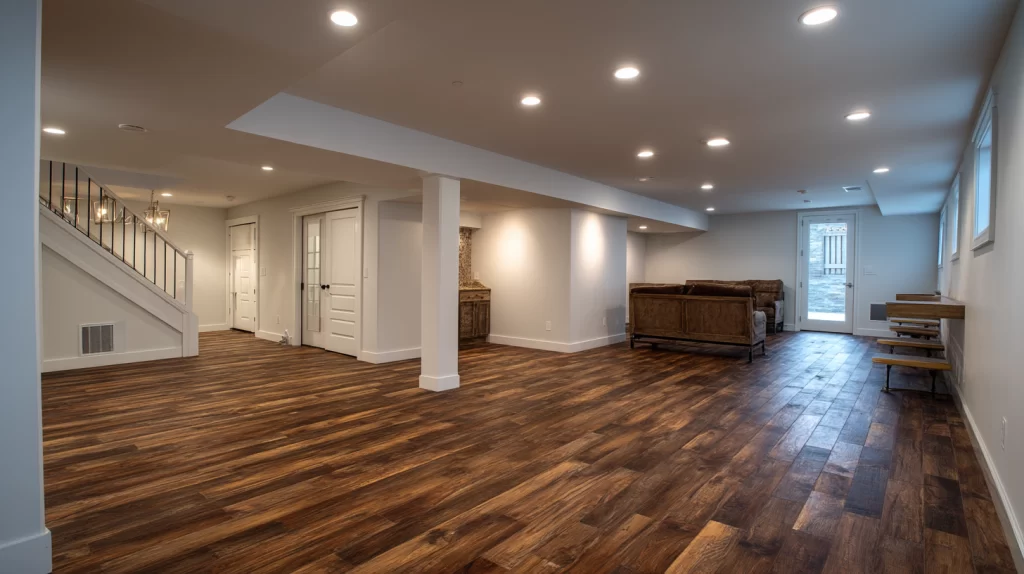
- You’re remodeling a basement, kitchen, or laundry room
Still undecided? Let us help you compare hardwood vs engineered right in your home. We bring samples, discuss your space, and walk you through every step.
Schedule your free in-home estimate today.
Frequently Asked Engineered Hardwood vs Hardwood Questions
Can engineered hardwood be refinished?
Yes, if the wear layer is thick enough, typically 3mm or more.
Is engineered hardwood real hardwood?
Absolutely. The top layer is real hardwood, bonded to a plywood core or fiberboard base.
How long does each type last?
Solid hardwood can last 50 to 100 years with proper care. Engineered hardwood typically lasts 20 to 40 years, depending on quality and refinishing potential.
Is engineered flooring water resistant?
Yes, engineered floors are more water resistant than solid hardwood, but still not waterproof. For full waterproofing, consider luxury vinyl planks in bathrooms or mudrooms.
What is the best wood flooring for bathrooms?
If you want wood flooring in bathrooms, go with high-quality engineered hardwood with a strong protective finish, or opt for waterproof laminate or luxury vinyl planks.
Conclusion: Let’s Find the Perfect Hardwood Floor for Your Home
Deciding between engineered hardwood vs hardwood doesn’t have to be complicated. Whether you’re prioritizing moisture resistance, refinishing potential, or budget, there’s a perfect fit for your space, and we’re here to help you find it.
At Best Floor Coverings, we make it easy to upgrade your home with high-quality flooring, personalized service, and local expertise. From Kirkland to Bellevue to greater Seattle, our team brings the samples, the experience, and the craftsmanship you deserve.
Call us today or book online to schedule your free in-home consultation. Let’s transform your space with the right wood flooring, built to last, and styled to love.