

A Complete Guide for Homeowners
Vinyl flooring is more popular than ever, and for good reason. It’s affordable, durable, stylish, and one of the most versatile flooring options on the market. Whether you’re renovating a single room or installing new flooring throughout your entire house, vinyl plank flooring offers a practical and attractive solution.
But when it comes to budgeting, things can get tricky. The total cost to install vinyl flooring includes more than just picking out a product. There are labor costs, material costs, supplies, subfloor preparation, and a lot of behind-the-scenes details that can quickly affect the price. In this post, we’re giving you a clear breakdown of what you can expect to pay for vinyl flooring and installation in 2025, and how to avoid unexpected surprises during your project.
Let’s dive into what makes up vinyl flooring installation costs so you can plan your project with confidence.
What Is Vinyl Flooring and Why Are Homeowners Choosing It?
Vinyl flooring is a synthetic floor covering made from layers of PVC and other resilient materials. It comes in several forms, including sheet vinyl, luxury vinyl tile (LVT), and the most popular option, vinyl plank flooring, also known as LVP.
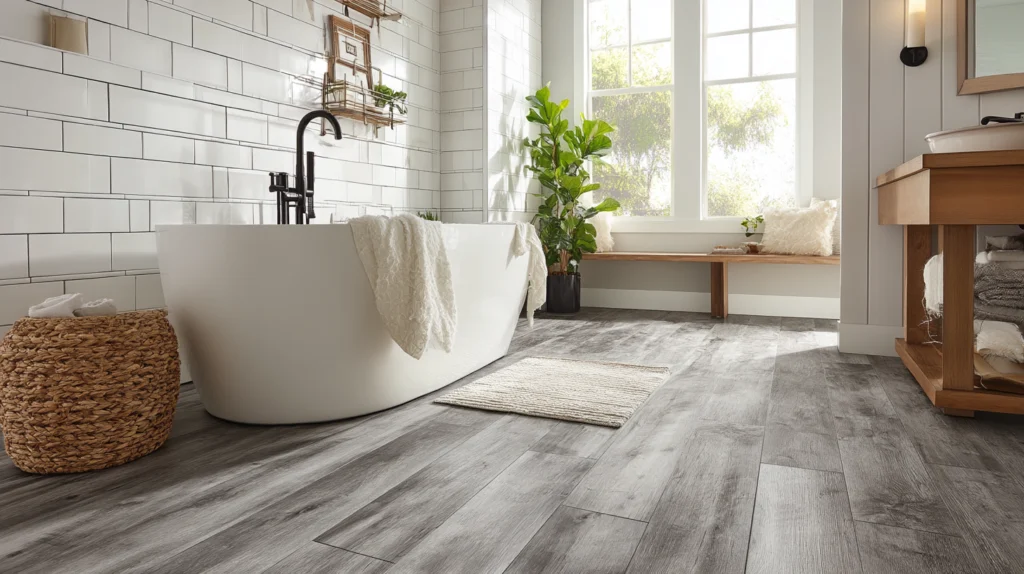
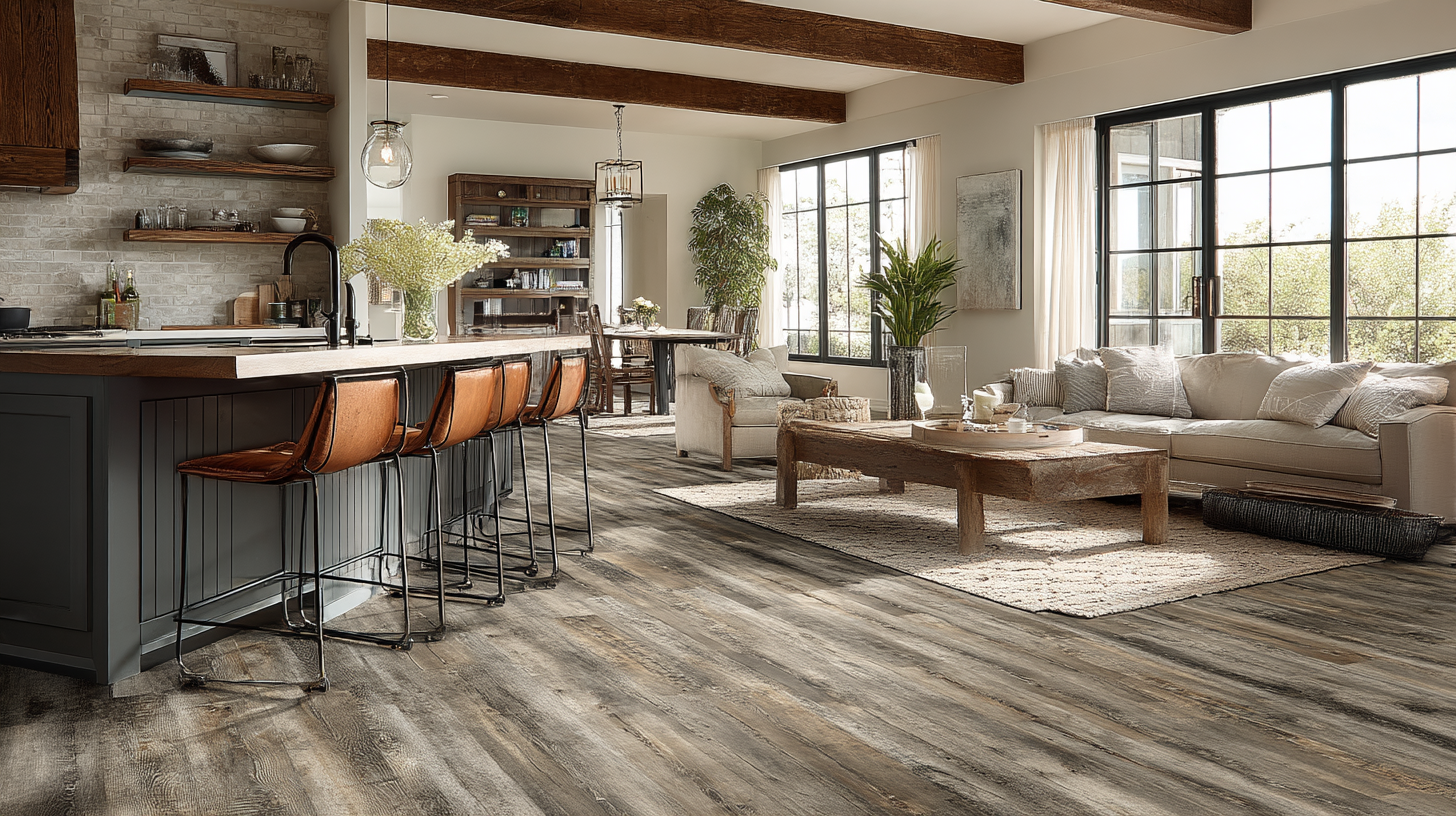
Homeowners love vinyl for its durability, water resistance, and visual appeal. It’s designed to mimic the look of natural materials like hardwood or stone, but without the higher costs or complex maintenance. Whether you need flooring for your kitchen, bathroom, basement, or entire home, vinyl can handle the job with style.
Vinyl is also known for being more forgiving underfoot than harder surfaces like tile, making it a great choice for rooms where comfort matters. Add in easy cleaning, quick installation, and affordable pricing, and it’s no wonder vinyl flooring continues to dominate flooring trends year after year.
Vinyl Flooring Cost Overview in 2025

So, how much does vinyl flooring cost in 2025? Let’s look at a general overview of vinyl flooring installation costs per square foot.
| Type of Vinyl | Material Cost (Per Square Foot) | Installed Cost (Per Square Foot) |
|---|---|---|
| Sheet Vinyl | $1 – $5 | $4 – $6 |
| LVP / LVT | $2 – $7 | $6 – $12 |
The cost of vinyl flooring and installation varies depending on product type, labor, and project complexity. Most homeowners will spend between $6 to $10 per square foot for mid-range vinyl plank flooring installed, including basic prep and finishing materials.
If you’re working with a flooring contractor, ask for a detailed breakdown of the material and labor costs upfront. That way, you know exactly what you’re paying for and can adjust your expectations accordingly.
What’s Included in the Price?
Vinyl flooring installation costs go beyond just the product. Here’s a look at what typically makes up the full project cost.
Material Costs
This includes:
- Vinyl flooring (plank, tile, or sheet)
- Underlayment (if required)
- Adhesives or click-lock mechanisms
- Trim and molding
- Additional materials like moisture barriers or adhesives
High-end vinyl plank flooring with thicker wear layers, textured finishes, or enhanced durability will naturally come with higher prices. Budget-friendly options exist too, but be cautious with ultra-low-cost products that may not hold up well over time.
Labor Costs
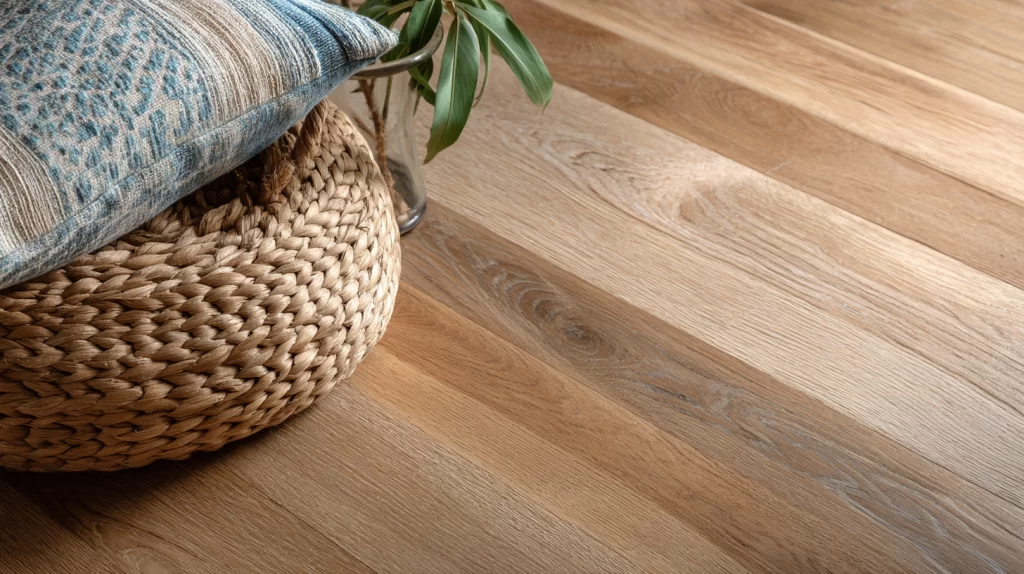
Labor costs make up a significant portion of the installation cost. On average, professional installation of vinyl flooring runs about $1.50 to $5.00 per square foot, depending on the complexity of the job and the method used.
Labor includes:
- Laying the vinyl flooring
- Cutting and fitting around corners and edges
- Securing the planks or tiles
- Installing trim and transitions
- Cleanup and haul-away
Glue down installations tend to have higher costs because of the added time and precision needed, especially in rooms with unusual layouts or stairs.
Subfloor Preparation
If your existing flooring is uneven, damaged, or contains asbestos, your installer will need to prepare the surface before laying the new vinyl. Subfloor leveling, moisture mitigation, and repairs can increase labor costs and add $1.50 to $4.00 per square foot to your total estimate.
Some flooring contractors offer bundled services to include subfloor repair and old floor removal. Be sure to ask if this is included in your estimate or will be billed separately.
Removal and Disposal
Tearing out and disposing of old flooring can cost between $1.00 and $2.50 per square foot. The final price will depend on what type of material you’re removing and how difficult it is to haul away.
Additional Supplies and Services
There are always add-ons and accessories to consider, such as:
- Trim and baseboards
- Transition strips
- Underlayment
- Moisture barriers
- Stair tread kits
These can add $0.50 to $2.00 per square foot to your total cost, depending on the products used and the size of your rooms.
Factors That Affect Vinyl Flooring Installation Costs
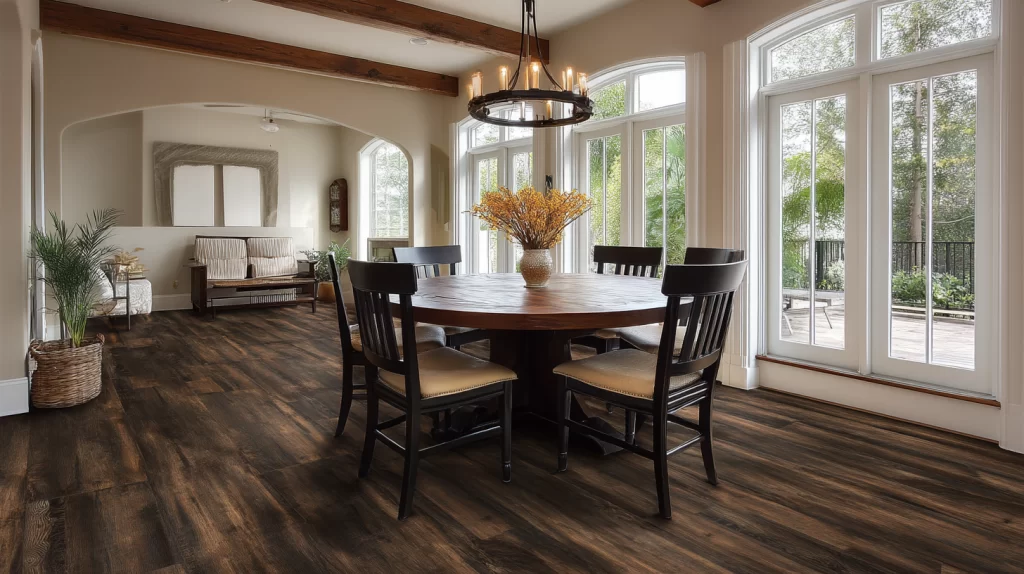
The final cost to install vinyl flooring can vary depending on a number of key factors. Understanding these will help you get an accurate estimate and avoid budget surprises.
Type and Quality of Vinyl
Premium vinyl products tend to cost more, but they also last longer, look better, and perform better under stress. Entry-level products might be tempting, but higher costs for better materials often pay off in the long run with fewer repairs or replacements.
Installation Method
Click-lock floating floors are generally faster and cheaper to install. Glue down floors take more time, require extra adhesives, and typically cost more in terms of labor. DIY installation is possible with click-lock vinyl, but it’s important to assess the risk. Mistakes can lead to buckling, gaps, or voided warranties.
Subfloor Condition
Damaged or uneven subfloors require repair before laying new flooring. If leveling is needed, this can add significantly to your installation cost.
Square Footage and Layout
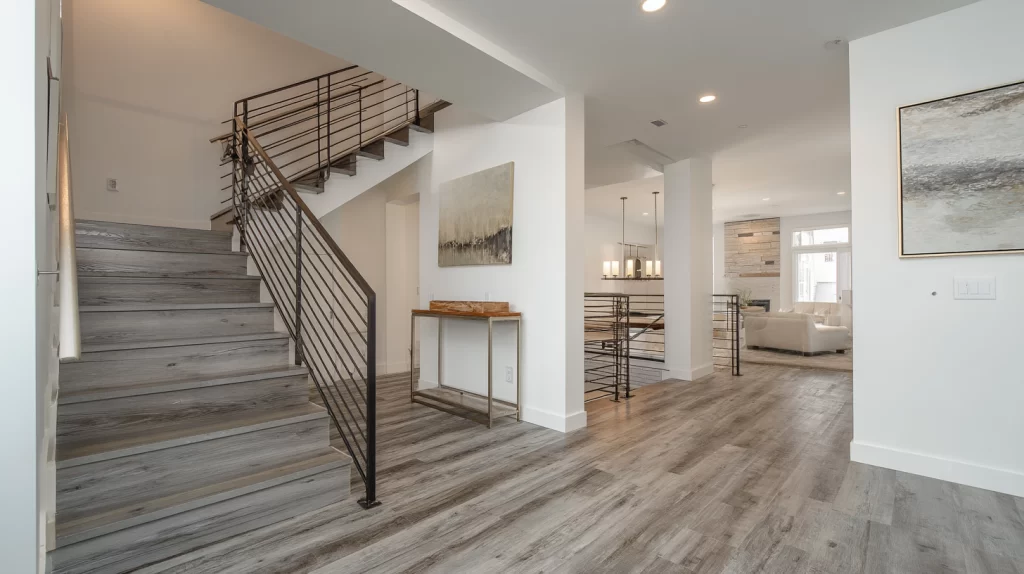
Larger projects typically benefit from bulk pricing, which can bring the price per square foot down. However, rooms with lots of corners, angles, or obstacles require more precise cuts and more time, increasing labor costs. Installing vinyl flooring on stairs also adds complexity.
Location and Labor Rates
If you live in urban areas or markets with high demand, expect to pay more due to increased labor rates. Local material availability and supplier relationships can also affect pricing.
Vinyl Flooring Installation Cost Examples
Here are a few common project types and what they typically cost in 2025.
Small Kitchen – 300 Square Feet
- Material: $900
- Labor: $600
- Trim and supplies: $200
- Total cost: $1,700
Whole Home – 1,000 Square Feet
- Material: $4,500
- Labor: $3,000
- Removal and subfloor prep: $1,000
- Total cost: $8,500
Basement – 500 Square Feet with Subfloor Leveling
- Material: $1,750
- Labor: $1,500
- Leveling and moisture barrier: $1,250
- Total cost: $4,500
These are general estimates. Your actual vinyl flooring installation cost will vary depending on materials, layout, prep needs, and your choice of local professionals.
Is Vinyl Flooring a Good Investment?
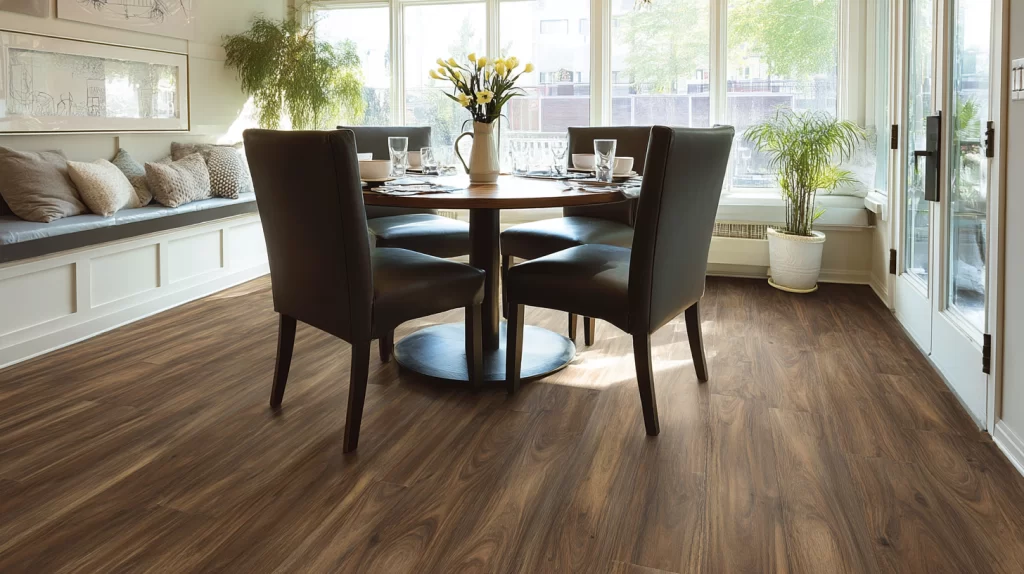
Yes. Vinyl flooring offers excellent durability, especially when compared to other surfaces in the same price range. It’s waterproof, scratch-resistant, easy to clean, and can last up to 20 years with proper care.
For homeowners who want a reliable, low-maintenance option that mimics the look of wood or stone, vinyl plank flooring is a great long-term choice. It also improves the aesthetic of your home, making it a smart investment if you’re planning to sell in the future.
Can You Save Money With DIY Installation?
DIY installation is an option, especially with click-lock vinyl planks. However, it comes with some risk. Improperly installed flooring can warp, shift, or fail prematurely. Most homeowners find it worth the cost to hire a flooring contractor to ensure the job is done right the first time.
If you’re confident in your skills and have the right tools, you could save on labor costs, but you’ll still need to measure, purchase, prepare, and install everything yourself, including cleanup and disposal. Mistakes can lead to extra supplies, delays, and even hiring a pro to fix the issue, which may cost more in the end.
Tips to Keep Costs in Check
Here’s how you can keep your vinyl flooring installation affordable:
- Choose a mid-range product with good reviews from a reliable manufacturer
- Opt for floating planks when possible to reduce labor
- Limit customizations that add time and materials
- Remove old flooring yourself if you’re comfortable doing so
- Ask for a bundled estimate that includes all materials and services
- Work with trusted local professionals to avoid surprise fees
Frequently Asked Questions
What’s the average cost to install vinyl flooring per square foot?
The average cost to install vinyl flooring ranges from $6 to $12 per square foot, depending on material quality and project scope.
How do I know if my subfloor needs repairs?
If your floor feels uneven or makes noise when walked on, you may need to have the subfloor inspected. Professional installers can check for moisture, damage, or structural issues.
What type of vinyl is best for bathrooms and kitchens?
Waterproof vinyl plank or tile is ideal. Look for products with a durable core and tight seams to prevent water infiltration.
Can I install vinyl over my existing flooring?
Sometimes yes, depending on the type and condition of the existing flooring. Installers may recommend removing carpet or warped hardwood before beginning the job.
How long does it take to install vinyl flooring?
Most projects take 1 to 5 days, depending on square footage, layout, and prep requirements.
Does vinyl flooring add value to my home?
While not as high-end as hardwood, vinyl still improves your home’s appeal, especially if you’re replacing outdated or worn floors.
Final Thoughts
The cost of vinyl flooring and installation depends on many moving parts, but it remains one of the most cost-effective and stylish ways to upgrade your home. From materials and labor to supplies and design, understanding where your money goes gives you the power to make informed decisions.
Whether you’re planning a quick room refresh or a full-home remodel, working with experienced contractors and clear estimates is key to a successful flooring project.
If you’re considering installing vinyl flooring this year, take the time to get a detailed estimate, compare costs, and prioritize quality over shortcuts. The right floors can change everything.