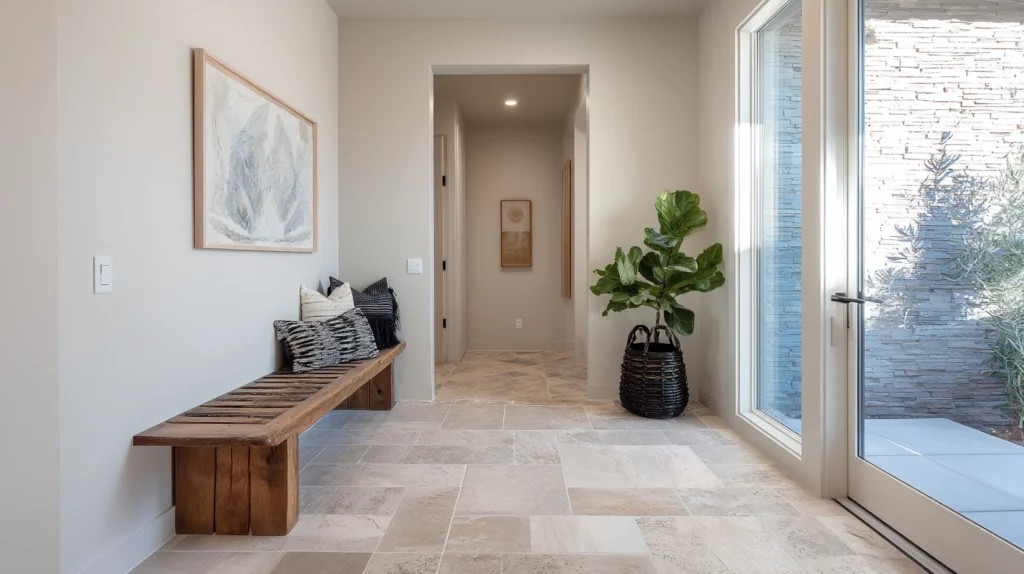


What Permits or Inspections Are Required for Flooring Installation?

What Permits or Inspections Are Required for Flooring Installation?

Permits are all about protecting your property and ensuring the safety of your home. While flooring may seem simple, certain flooring installations impact the structure or systems of a building. Failing to obtain the proper permit can result in penalties, expensive corrections, or difficulty when selling your home. Following code requirements isn’t just for large-scale construction or new construction. Even projects in a single family dwelling can trigger the need for review by a building inspector, depending on the scope of work.


What Are Some Common Flooring Installation Problems and Fixes?

What Are Some Common Flooring Installation Problems and Fixes?

In this guide, we’ll walk you through the most common flooring installation problems and fixes across hardwood floors, tile flooring, laminate, and vinyl. Whether you’re planning a new floor installation or wondering what went wrong with your last one, understanding the leading causes of these issues will help you avoid costly mistakes and ensure a professional finish.

Can New Flooring Be Installed Over My Existing Floors

Can New Flooring Be Installed Over My Existing Floors? Here’s What You Need to Know

If you are asking “can new flooring be installed over my existing floors”, you are not alone. Many homeowners want to avoid demolition, mess, cost, and disruption. The short answer is in most cases, yes new flooring can be installed over existing floors, but it depends on many things. Understanding how new flooring works over an existing floor helps you choose the best solution for your home, your budget, and your lifestyle. This guide explains how and why installing new flooring over an old floor works, what common flooring types are suitable, the essential preparation steps, and how to decide if your home is a good candidate.