

Can LVP Flooring Be Installed With Underfloor Heating Systems?
Can LVP flooring be installed with underfloor heating systems? Absolutely yes. In this comprehensive guide, we explain exactly how, why, and what you need to know to make it work beautifully in your home. Installing luxury vinyl flooring with radiant heat systems is an excellent choice for homeowners looking for consistent warmth, energy efficiency, comfort, and stylish design throughout an entire room or house.
In this article, we will cover how underfloor heating systems work, why vinyl plank flooring is compatible with those systems, the installation process, benefits, best practices, and answers to frequently asked questions from real homeowners.
What Are Underfloor Heating Systems?
Underfloor heating systems provide heat from the ground up, creating warm floors and comfortable living spaces without the noise and uneven temperature distribution common with forced air systems. These systems use either electric heating mats or warm water running through pipes beneath the floor surface to generate heat. Radiant heat systems deliver heat directly to the floor, and the heat rises naturally, warming the entire room.
Electric radiant heat systems use thin electric cables or heating mats laid out across the subfloor which act as the heating element. These systems are often installed directly beneath tile, stone, or luxury vinyl flooring. Warm water radiant systems circulate heated water from a boiler through a network of tubing beneath the surface, and these systems are especially popular in larger areas or entire floors. Regardless of whether you choose electric or warm water systems, underfloor heating systems offer significant energy savings, natural consistent warmth, and fewer cold spots in your living space.
How Underfloor Heating Works
Underfloor heating systems operate very differently than traditional forced air systems. Instead of pushing heated air through ducts, underfloor heating sends heat directly to the floor surface. When you install heating mats or warm water tubing beneath your flooring solution, the heat generated distributes evenly across the entire room. This creates a gentle rise in temperature and consistent warmth where you want it most—right at the floor surface, where your feet are.
Electric systems use a thermostat to control heat output and maintain the surface temperature within a safe and efficient range, ensuring the radiant heat system does not overheat your chosen flooring materials. The thermostat monitors both the room temperature and the floor surface temperature, and adjusts the heating element accordingly. For water-based radiant systems, a boiler heats water and circulates it through pipes, creating radiant heat that transfers upward through concrete or subfloor layers into your new flooring.
Why Luxury Vinyl Flooring Works With Underfloor Heating
Luxury vinyl flooring has become an increasingly popular choice for homeowners because it combines the warmth and comfort of wood-like materials with the durability and easy maintenance you expect from modern flooring products. Luxury vinyl plank flooring is designed to handle temperature changes when installed over a controlled radiant heat system, and many manufacturers specifically rate their products to be used with underfloor heating systems.
Vinyl plank flooring is dimensionally stable, meaning it does not shrink or expand drastically with temperature changes, making it an excellent candidate for radiant heat systems when heated properly. Unlike wood, luxury vinyl flooring does not react to warm water or heat generated beneath it in the same way, and when the installation process follows manufacturer instructions, your vinyl flooring can maintain its form and beauty for years.
With radiant floor heating systems, your space enjoys consistent warmth from the moment you step into a room, and luxury vinyl flooring helps maintain that comfortable temperature close to the floor surface. Ceramic tile has traditionally been the go-to floor covering for radiant heat, but most homeowners prefer the warm look and softer feel of luxury vinyl flooring in areas like bathrooms and entire rooms.
Benefits of Pairing LVP With Underfloor Heating
Comfort and Warmth
One of the key benefits of pairing LVP flooring with a radiant heat system is the comfort and warmth you feel throughout an entire room. Radiant heat warms the floor surface first and then the air above it, meaning your feet feel comfortable even on chilly mornings. Traditional forced air systems often struggle to heat floors directly, leaving colder spots near the ground. With radiant heat systems and luxury vinyl flooring, you enjoy a uniform heat distribution that feels natural and luxurious.
Improved Energy Efficiency
Underfloor heating systems can offer improved energy efficiency compared to forced air systems. Because radiant heat works from the ground up and minimizes heat loss through ductwork, you use less energy to maintain comfortable temperatures throughout your home. Many homeowners who switch to underfloor heating and luxury vinyl flooring report noticeable energy savings, especially in bathrooms and high traffic rooms that benefit from consistent warmth.
Durable and Stylish Flooring
Vinyl flooring and LVP flooring come in beautiful designs, some replicating the look of wood and stone, giving you flexibility to match your interior style without sacrificing performance. Luxury vinyl is durable, resistant to moisture, and easy to maintain, making it a smart choice for bathrooms, kitchens, basements, and busy living areas where consistent warmth is a priority.
Reduced Hot and Cold Spots
With radiant heat systems, heat moves evenly across the entire room, so you do not have the hot and cold spots that are common with forced air systems. This even heat distribution paired with luxury vinyl flooring promotes a more comfortable environment, especially in rooms where you spend a lot of time barefoot or with bare feet.
Key Considerations for Installation
Choose the Right LVP Flooring
When planning to install LVP flooring over underfloor heating systems, always select luxury vinyl products rated for radiant heat. Not all vinyl flooring products are designed to perform well with continuous heat, so selecting a product approved by its manufacturer for radiant heat systems protects your investment.
Subfloor Preparation
Proper subfloor preparation is essential for a successful installation process. Your subfloor must be clean, flat, dry, and level before installing heating mats or pipes. Uneven or moist subfloors can compromise the performance of your radiant heat system and the integrity of the luxury vinyl flooring.
If you have existing flooring, it may need to be removed prior to installation of heating mats and luxury vinyl flooring. Subfloor leveling with products like self leveling cement is often required to create the flat surface needed for even heat distribution and to prevent uneven wear or thermo stress on the vinyl plank flooring.
Thermostat and Controls
A good thermostat designed to work with underfloor heating systems is crucial. The thermostat regulates the heat generated by the heating mats or water-based heating elements, ensuring the surface temperature of the luxury vinyl flooring stays within safe limits. Most manufacturers specify that the maximum surface temperature should not exceed 85 degrees Fahrenheit to keep the vinyl flooring stable.
Installation Process
Installing radiant heat systems under luxury vinyl flooring requires careful planning. The steps generally include laying down heating mats or tubing, testing the system to ensure it operates correctly, applying appropriate underlayment if required, and then installing the luxury vinyl flooring according to its guidelines. Glue-down vinyl flooring applications require heat-rated adhesive so that the adhesive bond remains strong when heat is applied.
Floating luxury vinyl plank flooring is often preferred with heated floors because it allows for slight movement as temperatures change. The installation process for floating floors involves clicking the planks together without glue, giving the floor flexibility and helping it remain stable.
Best Rooms for Heated LVP Flooring
Bathrooms
Bathrooms are one of the most common places homeowners install underfloor heating systems, and pairing radiant heat with luxury vinyl flooring creates a warm, welcoming feel that other solutions struggle to match. No more stepping out of the shower onto a cold floor—luxury vinyl flooring keeps warmth right at the floor surface, enhancing comfort first thing in the morning.
Kitchens and Living Areas
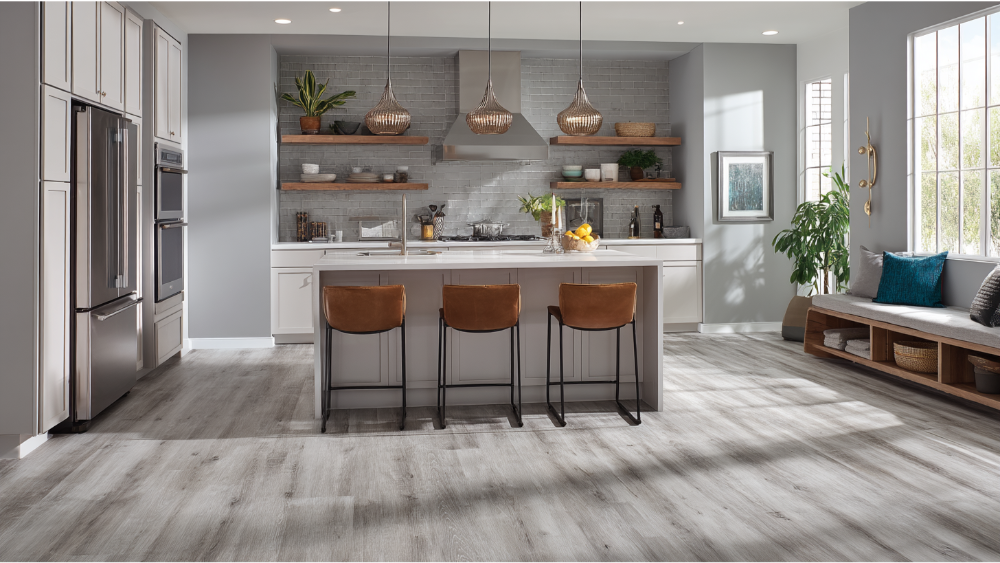
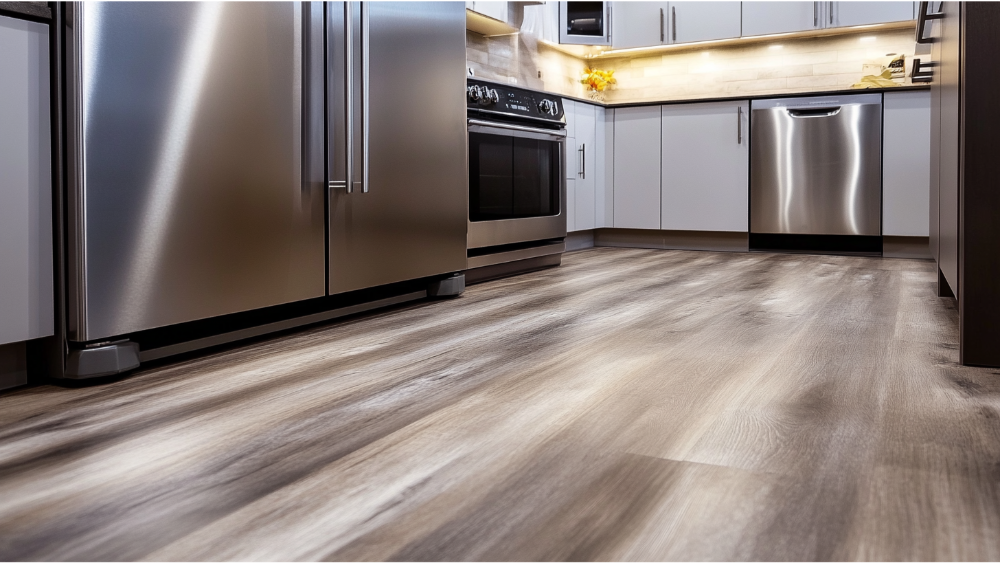
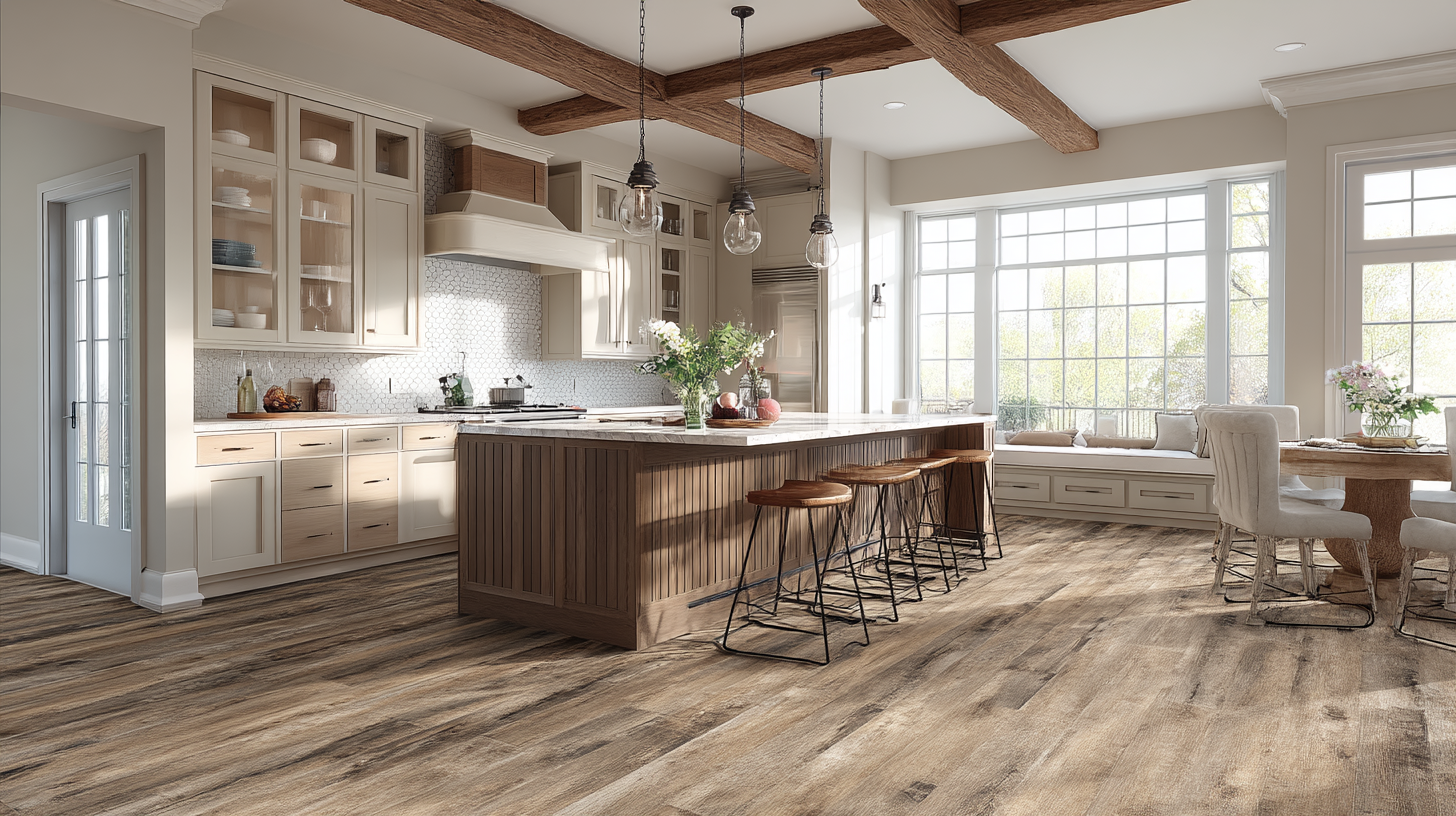
Kitchens and open concept living spaces can benefit from the consistent warmth of radiant floor heating. Luxury vinyl flooring in these areas offers both the style and durability families want, while underfloor heating systems keep everything comfortable year-round.
Basements
Basement floors, especially those with concrete subfloors, often feel cold without radiant heat. Installing underfloor heating systems beneath luxury vinyl flooring transforms a basement space into a comfortable living area or family room that feels just as warm as the rest of your home.
Common Mistakes to Avoid
Ignoring Manufacturer Specifications
One of the biggest mistakes homeowners make is choosing luxury vinyl flooring that is not rated for radiant heat. Always verify the product is approved for use with underfloor heating systems to avoid problems later.
Rushing the Installation
Installing radiant heat systems and luxury vinyl flooring takes patience. Let adhesives cure fully and carefully follow the circulation and temperature guidelines. Rapid temperature changes can stress the vinyl plank flooring and undermine durability.
Skipping Moisture Tests
Moisture in the subfloor can pose challenges even with moisture resistant vinyl flooring. Always test for moisture and address any issues before installation.
Frequently Asked Questions
Can You Install Electric Radiant Heating Under Luxury Vinyl Plank Flooring?
Yes, you can install electric radiant heating under luxury vinyl plank flooring, as long as the system is installed correctly and the flooring product is rated for radiant heat.
Will Heated Floors Damage Vinyl Flooring?
Heated floors will not damage luxury vinyl flooring if the radiant heat system is properly controlled and maintained, keeping the surface temperature within manufacturer guidelines.
What Is the Best Underlayment With Radiant Heat and LVP Flooring?
Use a low R-value underlayment designed for radiant heat systems. Some luxury vinyl flooring products do not require underlayment, but when one is used it must be compatible with both the heating system and the flooring.
How Long Should I Wait Before Turning On the Heater After Installation?
Homeowners should typically wait at least 48 to 72 hours after installation before turning on the radiant heat system to normal operation. This allows adhesives and installation materials to settle in place.
Conclusion
Can LVP flooring be installed with underfloor heating systems? Yes, it can. When planned the right way, vinyl plank flooring becomes a warm, durable, and beautiful flooring solution you will enjoy for years. Radiant heat systems provide unmatched warmth and consistent comfort while luxury vinyl flooring brings style, durability, and easy maintenance to every space.
If you are considering adding underfloor heating systems with luxury vinyl flooring in your home, reach out to flooring professionals who can help guide you through product selection, subfloor preparation, and installation for the best long-term performance and satisfaction.