
Does Porcelain Tile Need to Be Sealed? A Homeowner’s Guide
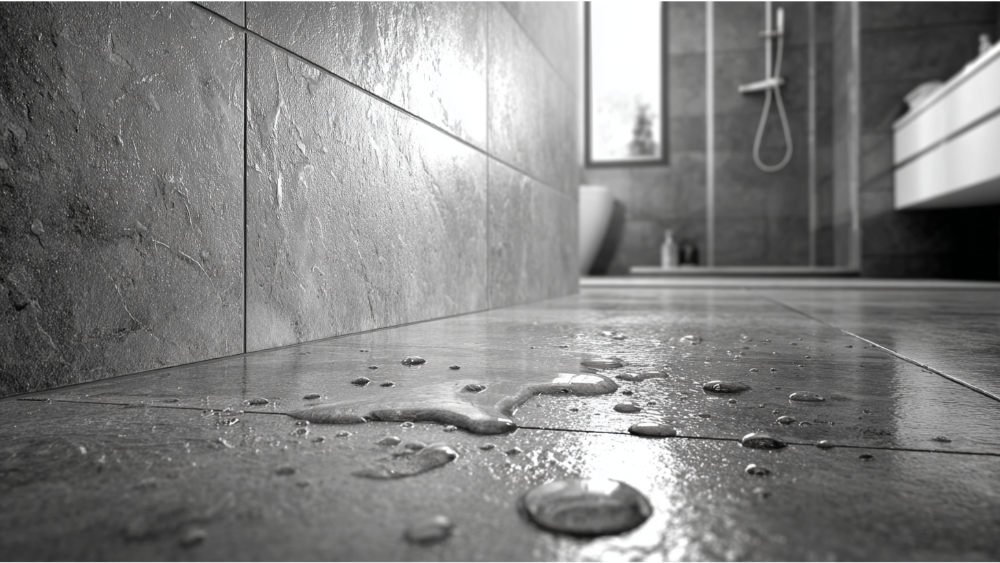
Does porcelain tile need to be sealed? The answer isn’t one-size-fits-all, it depends on the type of porcelain, its finish, and where it’s installed.


Does porcelain tile need to be sealed? The answer isn’t one-size-fits-all, it depends on the type of porcelain, its finish, and where it’s installed.
You’ll find it used for travertine floor tiles, accent walls, countertops, and even shower walls, making it important to understand its properties no matter where it’s installed.
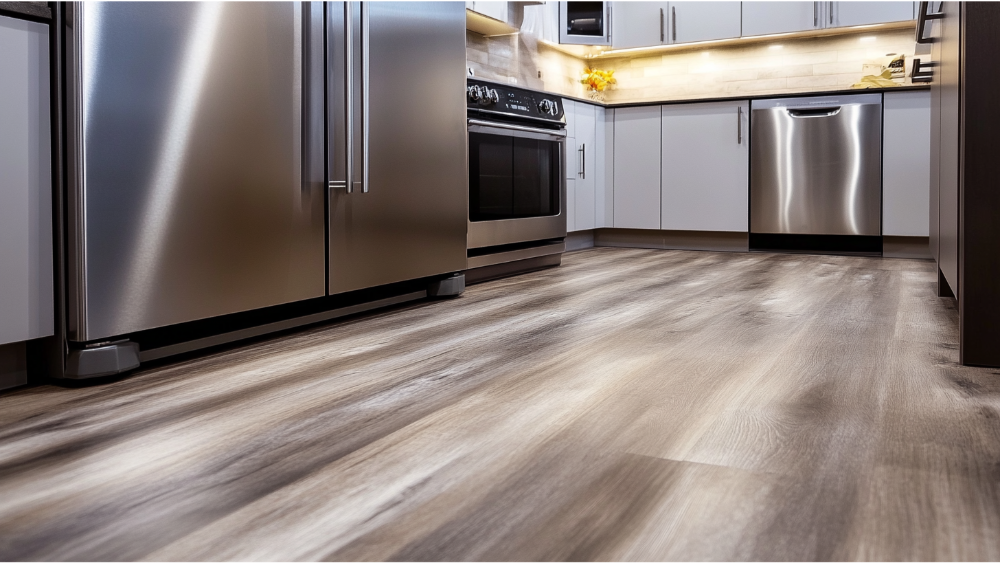
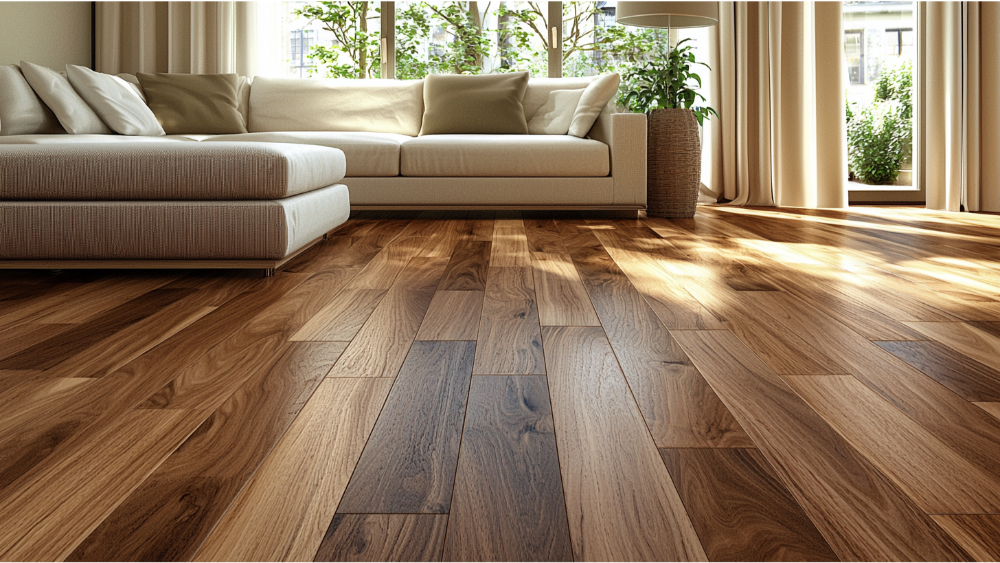
Whether you’re remodeling a quiet home office or a busy family room, understanding plank thickness will help you choose the right product that balances performance, longevity, and comfort.
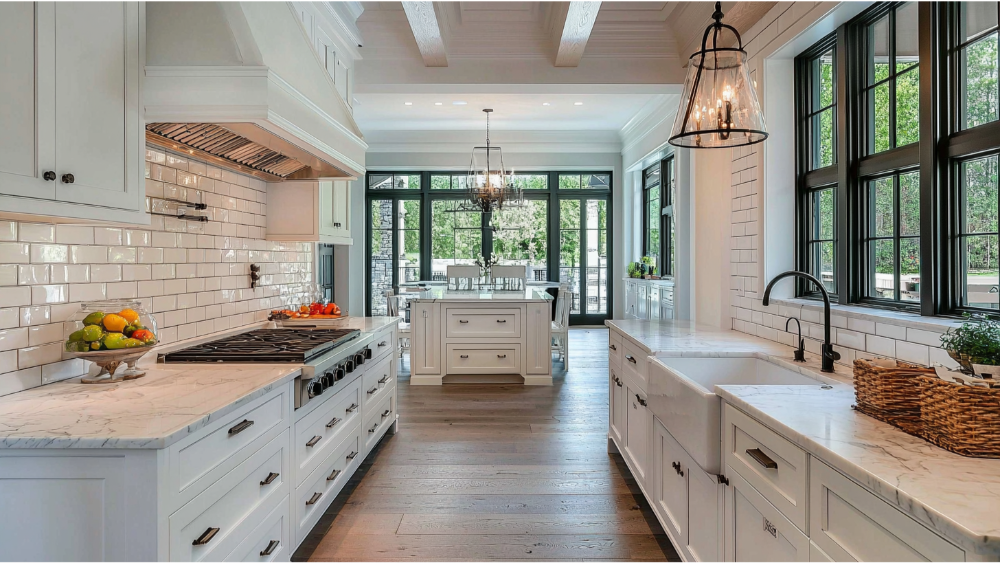
Here’s your go-to guide for choosing grout to use with white tile—based on 2025 design trends, expert insights, and real-life preferences from homeowners in Kirkland, Seattle, and Bellevue.
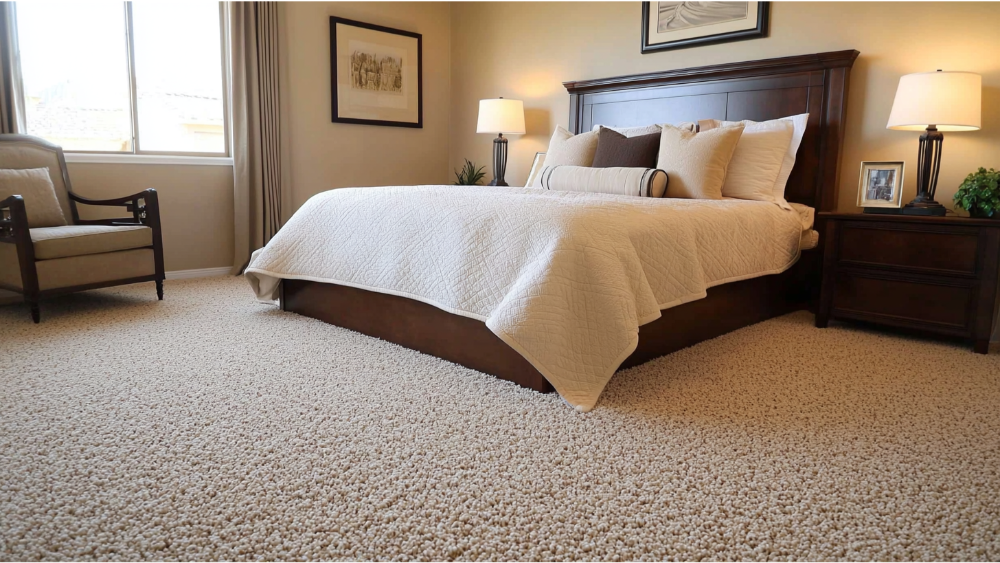
Most carpets will stay in good shape for anywhere from 5 to 15 years, depending on their material, installation, padding, and how much traffic they see day to day. However, other factors—like maintenance habits and indoor air quality, play a role too.
And the truth is, the refinishing process typically takes 3 to 7 days, but the actual time frame can vary based on many factors—including the size of your space, the floor condition, your choice of finish, and whether it’s a DIY project or done by hiring professionals.
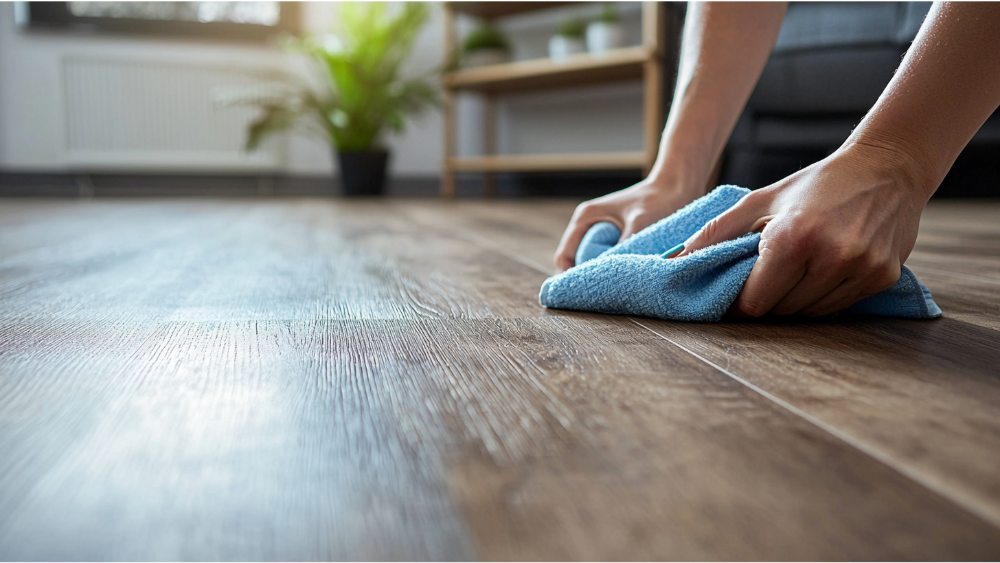
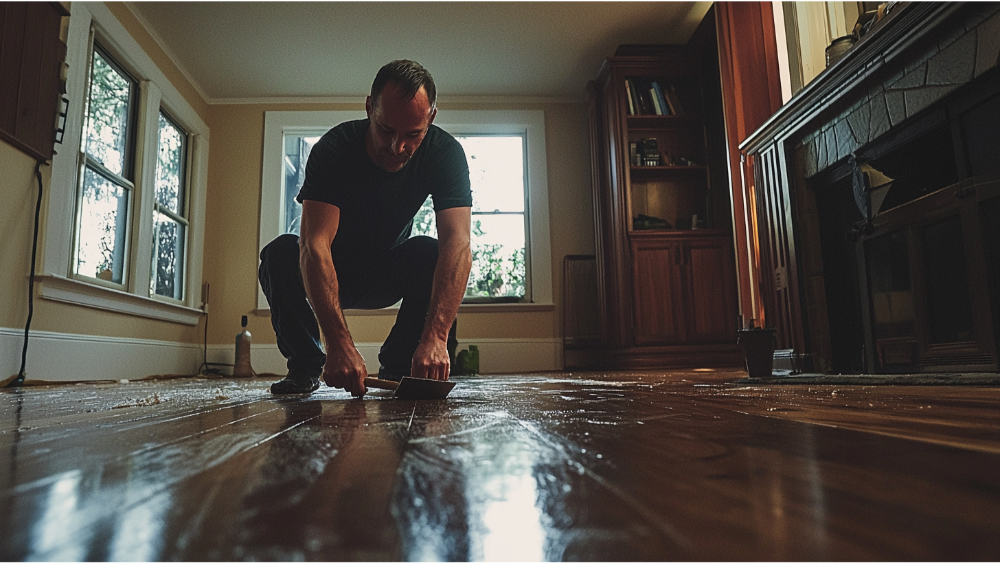
In this complete guide, we’ll walk you through how to get wax off your floor, step-by-step, no matter the material—wood floors, vinyl flooring, tile floors, or laminate materials.
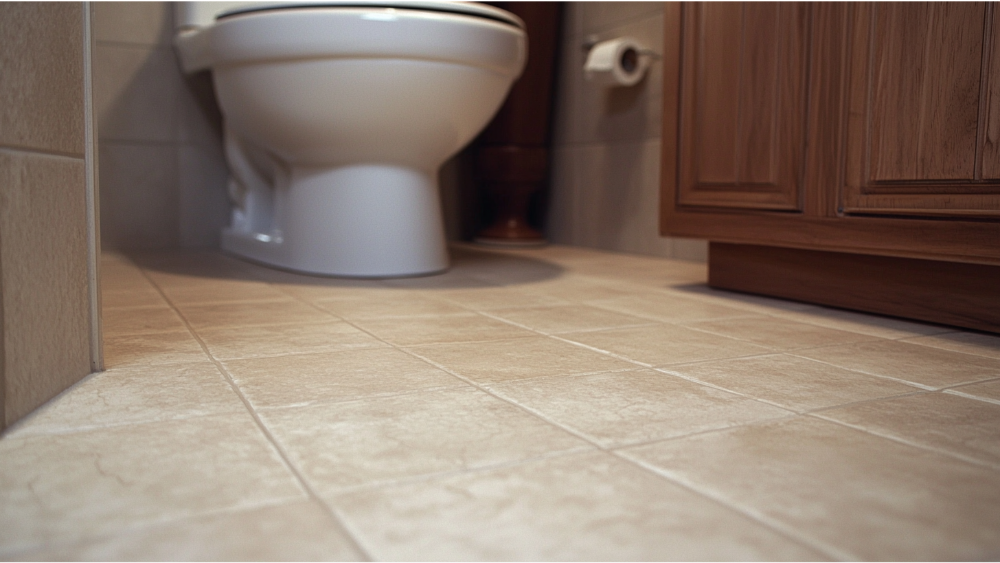
As of 2025, the average cost to install tile floors is $10 to $50 per square foot depending on project size, complexity and material quality.
Before using any products, do a simple test: drop a little clean water on an area of the floor. If it beads up, you likely have a polyurethane finish. If it soaks in, your floor probably has a wax or varnish finish that will require a gentler approach.

Best Floor Coverings - Eastside Tile & Flooring Company.


425-547-7018

11200 Kirkland Way, Suite 300, Kirkland, WA 98033

info@bestfloorcoverings.co