


Understanding Laminate Flooring
What Is Laminate Flooring Made Of?
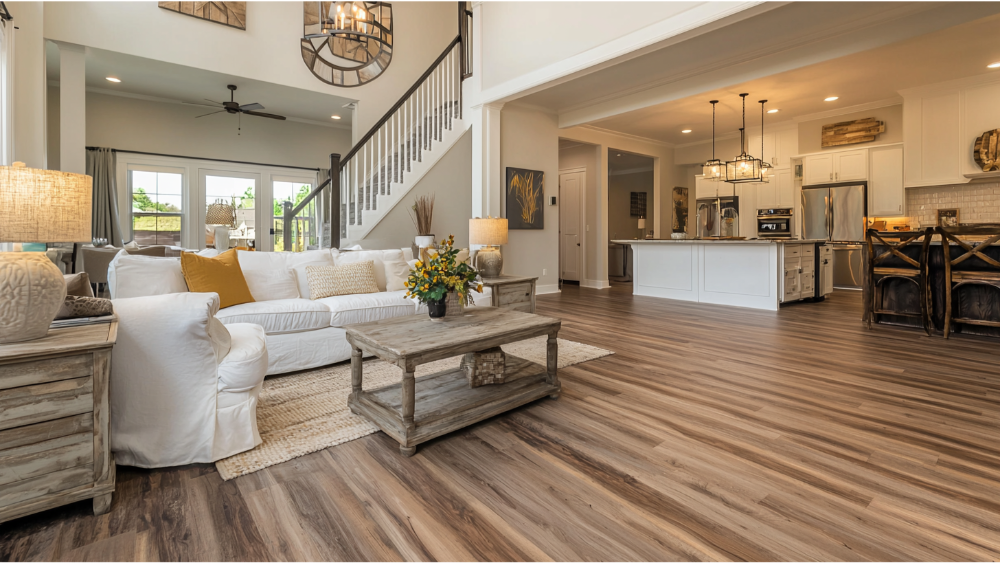
Laminate flooring is built from multiple layers, typically including a wear layer, a decorative printed surface, a wood‑based core made from high‑density fiberboard, and a backing layer for stability. Because that core is wood‑based it is inherently vulnerable to moisture, and that means that the question “are laminate floors waterproof” is more nuanced than a simple yes or no.
Why Homeowners Love Laminate
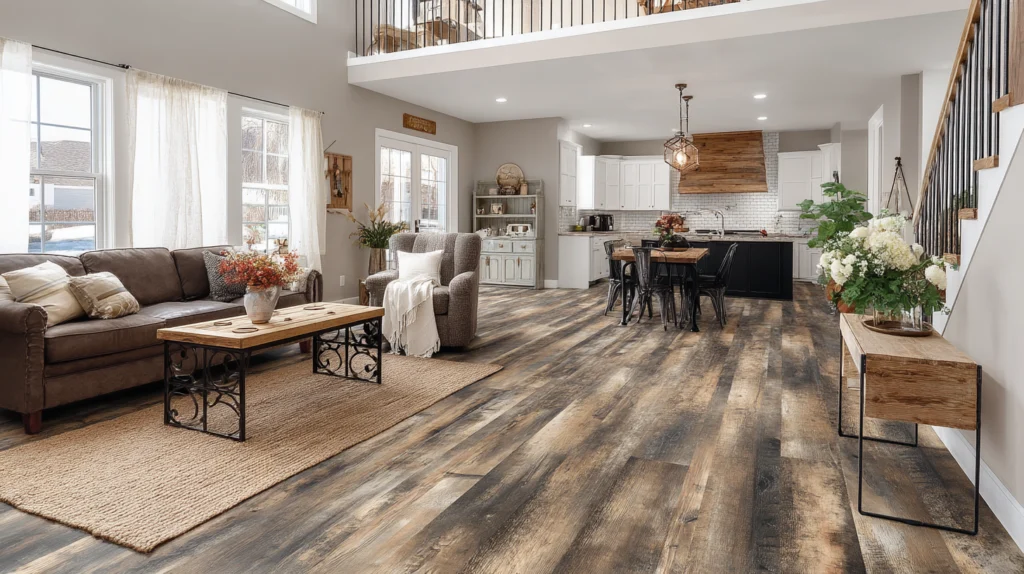
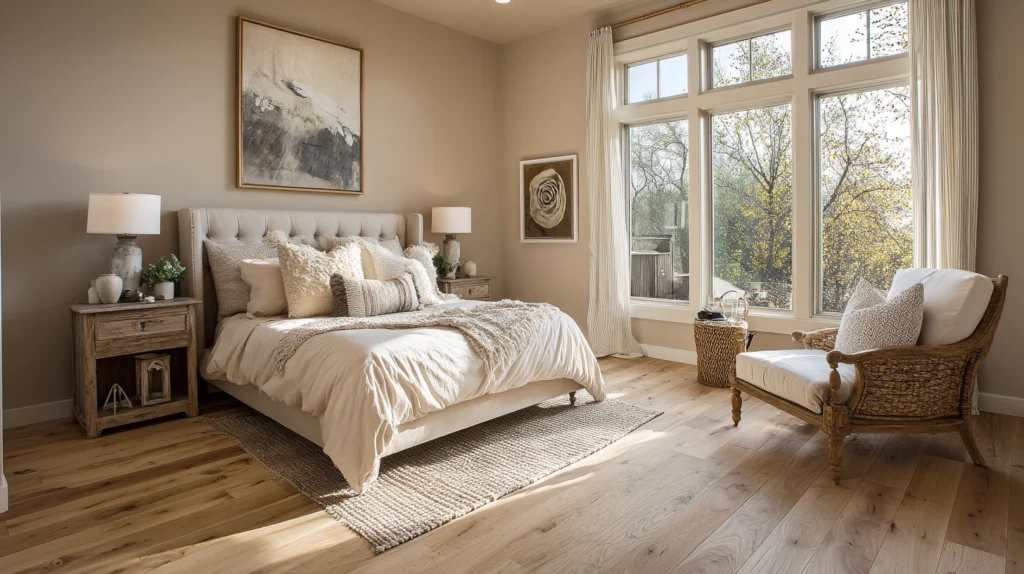
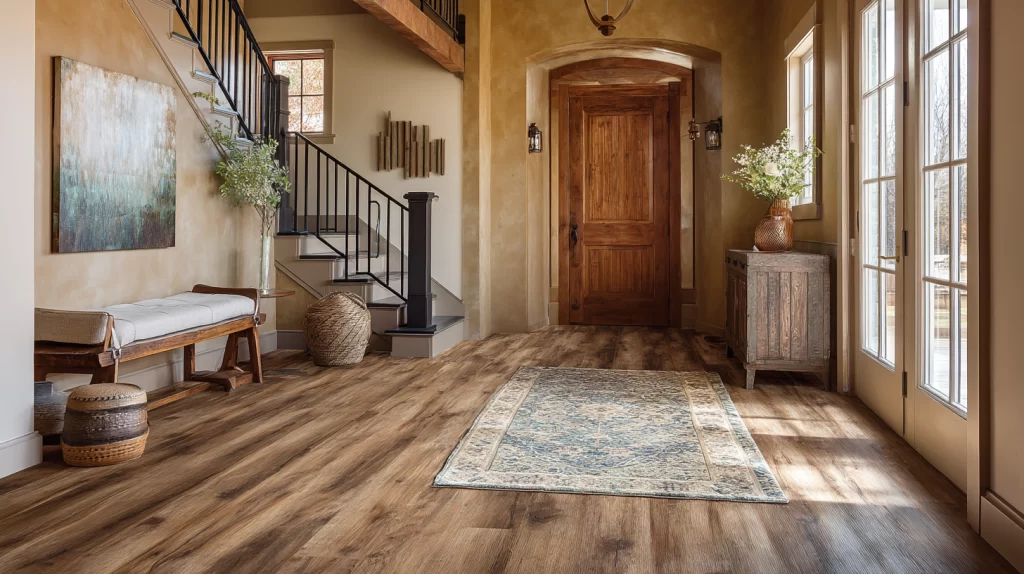
Homeowners appreciate laminate flooring for offering the look of wood at a more affordable cost than solid hardwood. It’s durable, easy to clean, attractive, and many homeowners find it a great choice for living rooms, bedrooms, hallways and other spaces that are reasonably dry. Because of its value and versatility laminate is often an excellent choice when budget, appearance and durability are all on the priority list.
So, Are Laminate Floors Waterproof?
The Truth About “Waterproof” vs “Water‑Resistant”
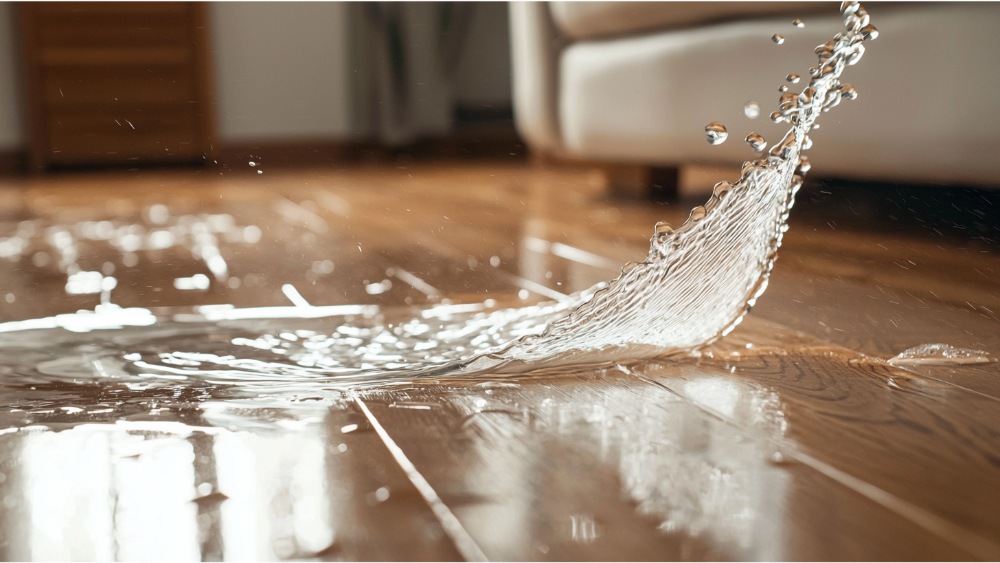
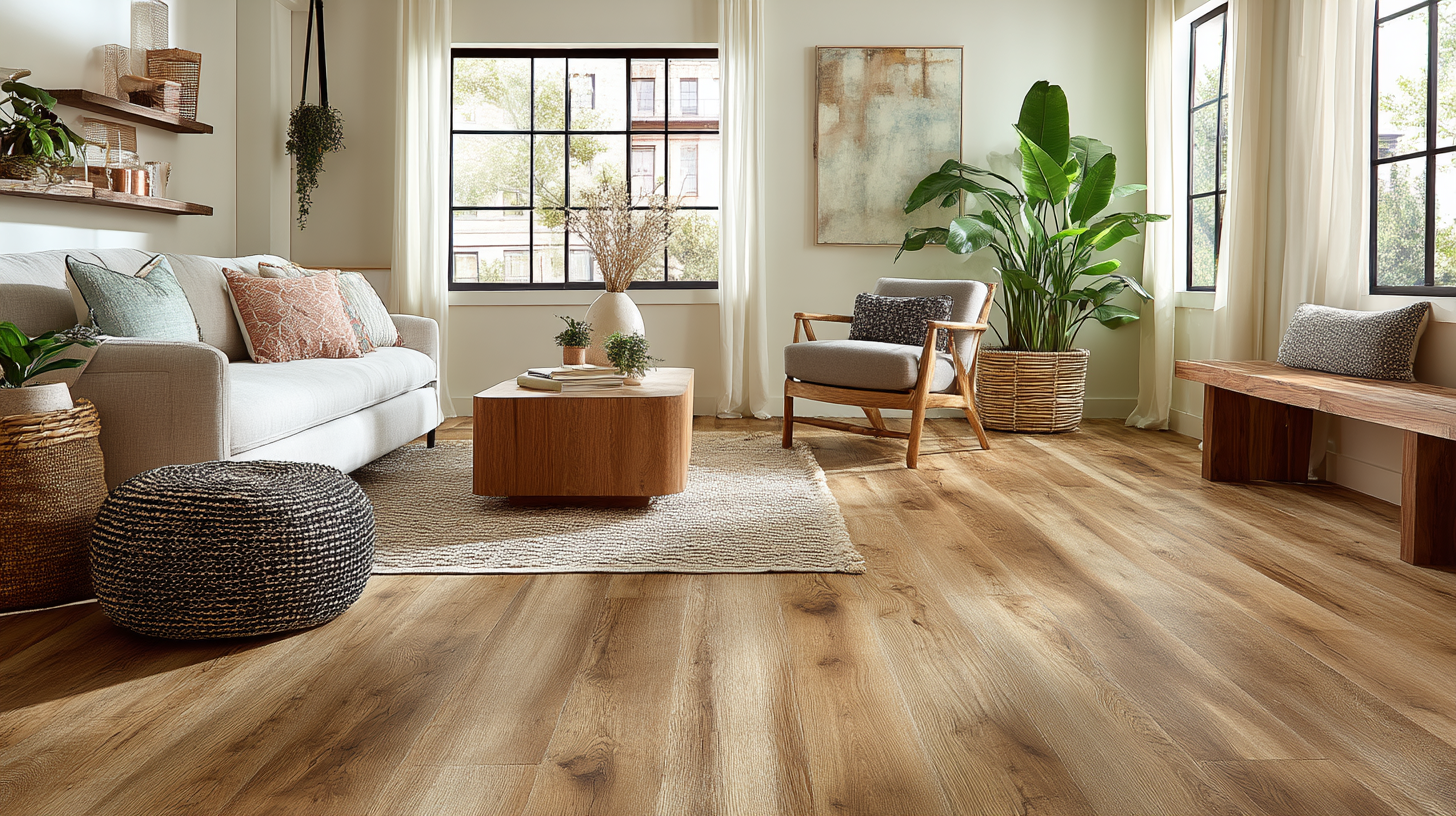
When comparing flooring options homeowners often ask “is laminate flooring waterproof” or “can I install laminate in a wet room”. The key distinction is between water‑resistant laminate flooring and truly waterproof laminate flooring. Traditional laminate is described as water‑resistant: it can resist normal spills and dampness if cleaned up quickly, but it is not completely waterproof, meaning it cannot indefinitely stand up to standing water or persistent moisture intrusion. Modern products labelled “waterproof laminate” or “100 % waterproof” are more advanced, but the wood‑based core still imposes limitations.
What Happens When Laminate Gets Wet
If water or moisture penetrates past the wear layer and reaches the core of laminate planks, swelling, warping, delamination or separation of seams and edges can occur. Because laminate flooring relies on planks locking together and the core staying rigid, moisture can compromise the structural integrity of the floor, especially at seams, edges and transitions.
What Has Changed in 2025
In 2025 the laminate category is seeing notable improvements: manufacturers are introducing planks with enhanced water‑resistance features, sealed edges, hydrophobic coatings, tighter locking mechanisms and better core materials to improve water protection. That means waterproof laminate flooring and waterproof laminate are increasingly viable, but homeowners still must consider installation, subfloor conditions, room environment and maintenance to ensure the performance lives up to the label.
Where Laminate Works — and Where It Might Not
Ideal Rooms for Laminate Flooring
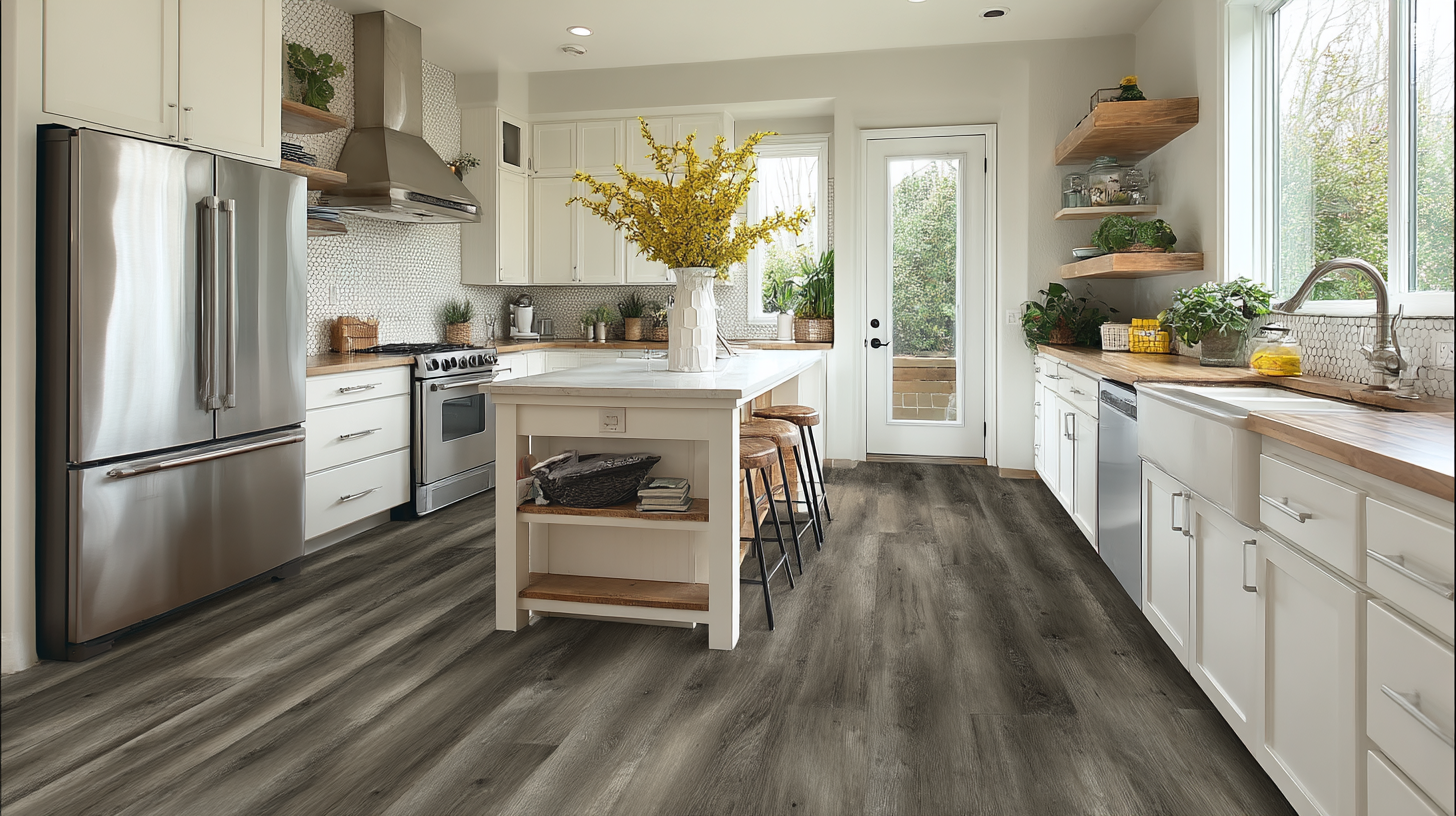
Laminate flooring is well suited for rooms that are low‑moisture and where you want a stylish, cost‑effective solution. Good rooms include living rooms, bedrooms, dining rooms, home offices and other spaces where spills are occasional and subfloor conditions are stable. In those scenarios laminate flooring can be a durable, attractive and practical choice.
Caution Zones: Moisture‑Prone Areas
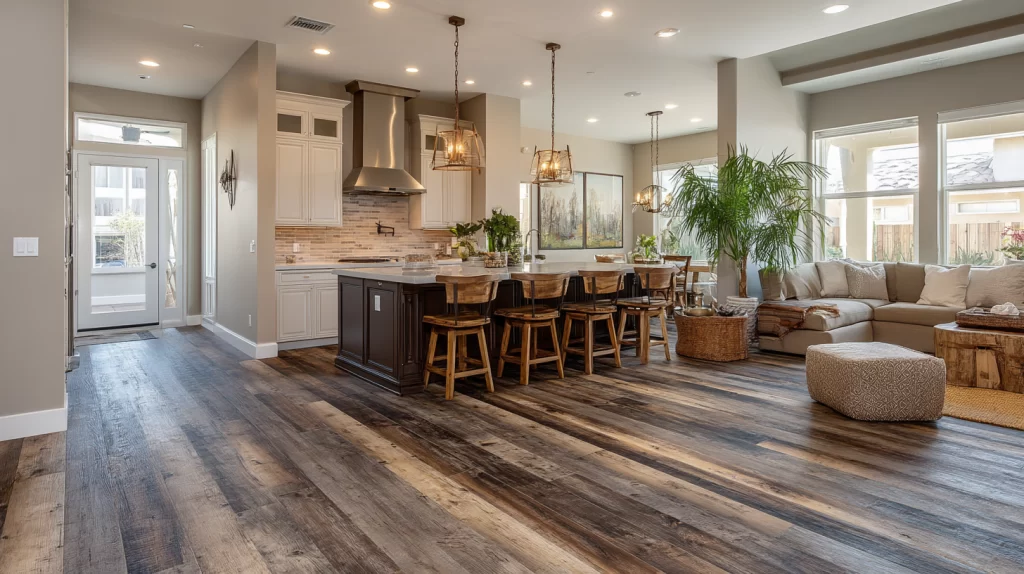
There are rooms that pose higher risk due to moisture exposure, and those are often high moisture areas like kitchens, bathrooms, laundry rooms, basements and other spaces prone to water, steam or vapor intrusion. In kitchens you may face frequent spills or appliance leaks. In bathrooms steam and splashes are common. In laundry rooms or basements you may have subfloor moisture or vapor issues. In those spaces even waterproof laminate flooring may need extra precautions or you might consider an alternative material such as vinyl flooring or tile instead.
Exploring Waterproof Laminate Flooring Options
What “Waterproof Laminate” Really Means
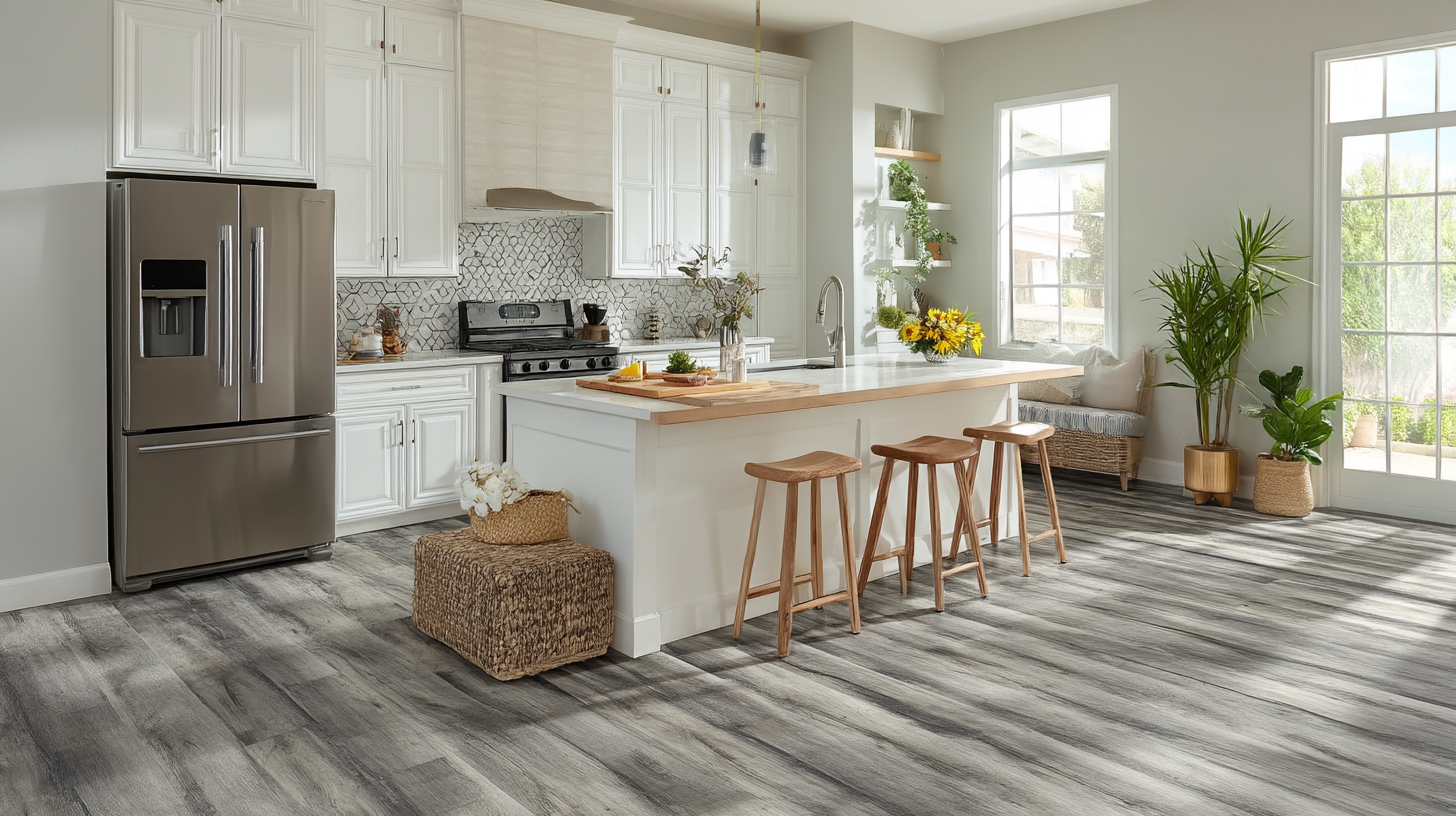
When you see the term waterproof laminate, it generally refers to laminate planks that incorporate enhanced features: better core materials, sealed edges, improved locking systems (tight locking system), a protective top layer, and often are backed by stronger warranties or longer water‑resistance claims. These products are engineered to tolerate greater moisture exposure than standard laminate, but “completely waterproof” in the sense of being immune to all water intrusion still remains a strong claim and often comes with conditions (correct installation, moisture barrier underlayment, proper acclimation).
Popular Features in 2025
In 2025 we are seeing laminate with cores and finishes designed to handle wet‑room conditions, improved moisture barrier underlayment use, more realistic wood appearance, stronger protection against stains and spills, and increased durability overall. These enhancements improve water resistance and expand the suitability of laminate into spaces previously reserved for vinyl flooring or tile.
Professional Installation Matters More Than You Think
Why DIY Mistakes Can Lead to Water Damage
Even a high‑performing waterproof laminate product can fail if it’s not installed correctly. Common errors include improper subfloor preparation, not using a moisture barrier underlayment where required, inadequate expansion gaps, incorrectly sealed edges or transitions, and poor acclimation before install. These errors allow moisture to seep underneath the flooring planks and cause damage.
How Our Team Ensures a Moisture‑Ready Install
As a family‑owned flooring and remodeling service we know that the installation process is just as important as the product selection. Our team handles subfloor repair and leveling, evaluates moisture conditions in basements and other areas prone to dampness, uses appropriate moisture barrier underlayment when needed, ensures seams and edges are installed correctly and follows all manufacturer recommendations. With expert installation you enhance the performance and longevity of your laminate or waterproof laminate flooring investment.
Laminate vs Other Waterproof Flooring Types
Laminate vs Luxury Vinyl Plank (LVP)
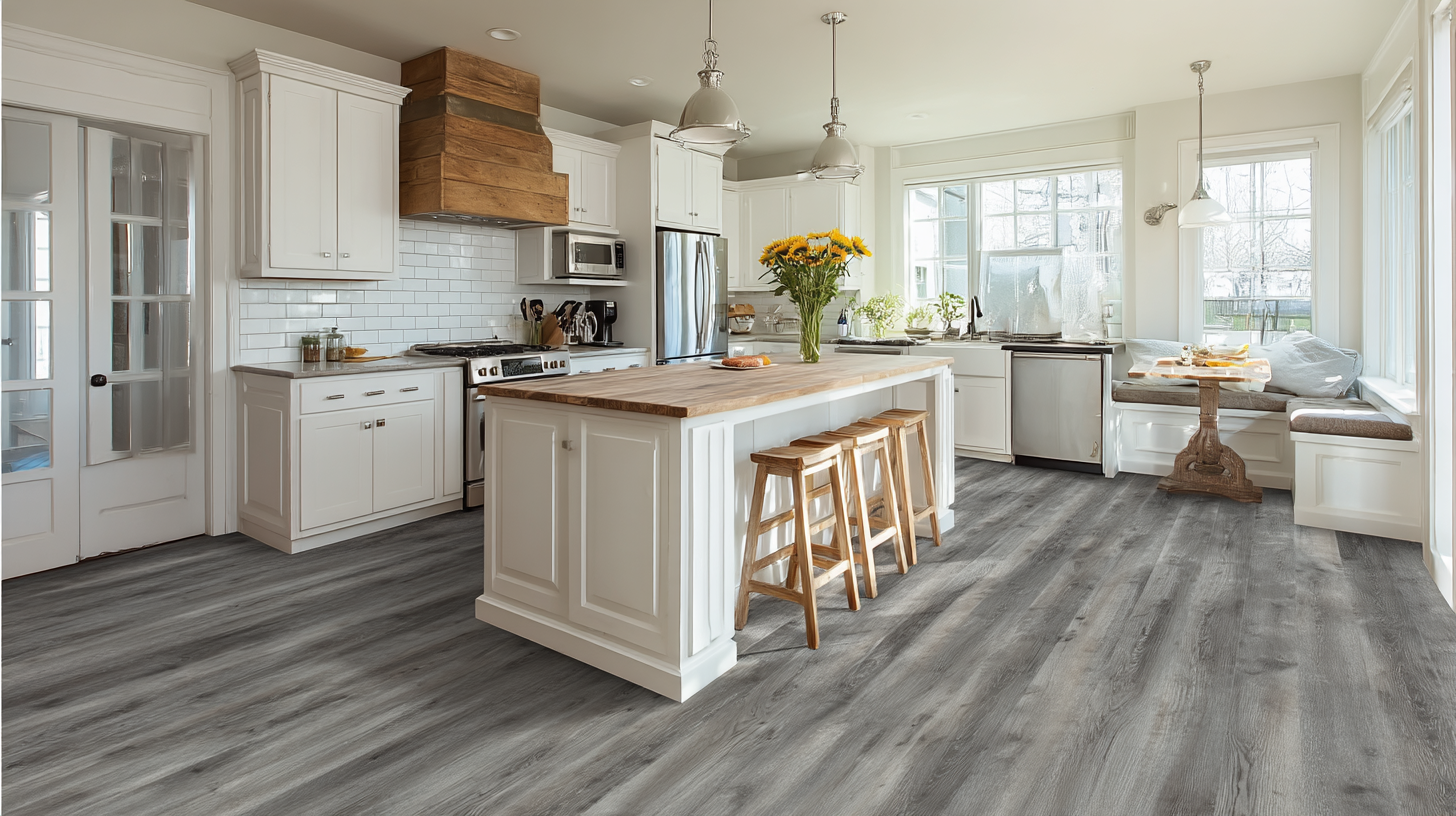
When comparing laminate to vinyl flooring there are key points: vinyl is typically fully waterproof (no wood core), which gives vinyl a strong advantage in moisture‑prone rooms. Laminate offers a wood‑like appearance and may cost less, depending on quality. But in rooms where water exposure is high or frequent, vinyl may be the safer choice.
Laminate vs Tile
Tile is essentially immune to moisture and is ideal for bathrooms, basements or laundry rooms. Laminate offers cost savings, warmer feel, and easier installation in many cases. But if “completely waterproof” performance is critical, tile or vinyl might be better suited.
What’s Best for Your Home?
The right flooring option depends on your room, budget, lifestyle and moisture conditions. For dry rooms laminate is a smart, stylish, durable choice. For rooms with frequent water exposure or risk of leaking appliances, consider vinyl flooring or tile. We’re happy to help you determine the best choice for your space.
How to Protect Laminate Floors from Water Damage
Everyday Best Practices
To maintain laminate flooring and protect it from water damage: clean up spills immediately, avoid steam mops that force water into seams, place waterproof mats near sinks and pet bowls, keep humidity and indoor climate stable, and choose water‑resistant laminate or waterproof laminate if you anticipate occasional wetness.
Humidity and Climate Control
Especially in the Pacific Northwest climate, indoor moisture and humidity can fluctuate. Keeping indoor humidity in check, using dehumidifiers if necessary, ensuring proper ventilation and checking the condition of plumbing fixtures are all part of protecting your laminate floor.
What to Do If a Leak Happens
If you discover water beneath laminate planks, act quickly: stop the source of water, dry the area thoroughly, inspect the subfloor, and contact a flooring pro if swelling or warping is present. Early intervention may allow plank replacement rather than full floor replacement, reducing cost and downtime.
FAQs About Laminate and Waterproofing
Can laminate flooring be used in a bathroom?
Yes in some cases, if you choose a high‑quality waterproof laminate that is installed with a proper moisture barrier underlayment and sealed edges. But generally bathrooms are considered high‑risk for laminate flooring due to steam, frequent wetness and potential standing water.
What happens if water gets under laminate?
When moisture penetrates under laminate planks the wood‑based core can swell, warp, and the seams or edges can lift or separate. At that point the only viable repair may be replacing the affected planks or even the full floor if damage is extensive.
How long can water sit on laminate before damage occurs?
This depends heavily on the product and installation. Standard laminate may begin to show damage in a few hours of standing water. Premium waterproof laminate may tolerate longer exposure, but no laminate is guaranteed to last indefinitely under standing water.
Is there such a thing as 100% waterproof laminate?
Some manufacturers promote complete waterproof laminate flooring, but as long as the core is wood‑based, there is always some level of limitation. The installation process, subfloor condition, and maintenance matter a lot in real‑world performance.
Should I choose vinyl instead of laminate for my kitchen?
If your kitchen sees frequent spills, appliance leaks, or you want worry‑free water protection, then vinyl flooring is often the better choice. If your kitchen is well‑controlled, spills are immediately cleaned and you choose a high‑quality waterproof laminate with professional installation, laminate can still be an excellent choice.
Final Thoughts: Is Laminate the Right Choice for Your Space?
Laminate flooring remains a compelling option for homeowners who value style, durability and affordability. With the improvements in 2025, particularly in waterproof laminate and water‑resistant laminate flooring technology, laminate is more versatile than ever. The key is to match the product to the room conditions, focus on professional installation, and maintain the flooring properly. When done right, laminate can transform your space beautifully and perform reliably for years.
If you’re wondering whether laminate flooring is suitable for a particular room in your home, or whether you should go with vinyl or laminate flooring, or perhaps even solid hardwood or tile, we’re here to help you evaluate your options and make the best choice.
Ready to Explore Waterproof Flooring Solutions?
We offer a full range of flooring options, including laminate flooring, waterproof laminate flooring, and vinyl flooring, and we handle everything from product selection to proper installation process and maintenance guidance. Serving homeowners in the Seattle, Bellevue and Kirkland areas we bring a family‑owned, customer‑centric approach to every project. Contact us today to get started and enjoy durable, stylish floors that stand up to your lifestyle, your pets, your kids and your daily use.