


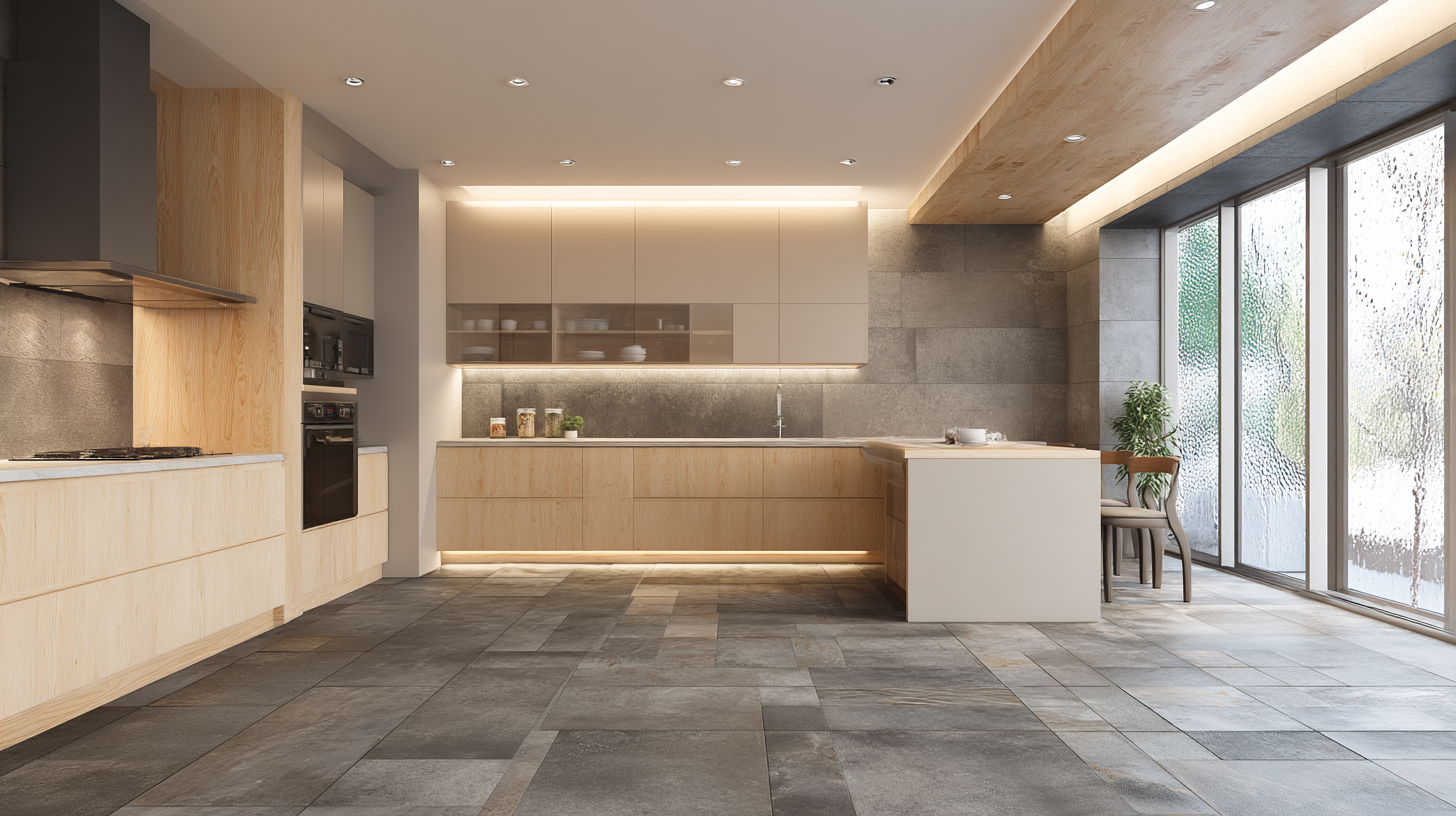
A Homeowner’s Guide to Tile Flooring
Tile is one of the most dependable, beautiful, and practical materials you can install in your home. From kitchen floors to bathroom walls, the right tile material can make all the difference in how your space performs and looks over time. But what types of tile can be installed? That’s the question many homeowners ask when starting a remodel.
There are many tile types available today, each with unique characteristics, styles, and ideal placement. Whether you’re selecting floor tile for high traffic areas or choosing the perfect tile for your shower walls, this guide will walk you through the most popular tile options and where they work best. Let’s dive into the most reliable, timeless, and high-performing tile flooring options for modern homes.
Why Tile Is a Top Choice for Homeowners
Homeowners in Seattle, Bellevue, and Kirkland choose tile for a reason. It’s not just about looks, though the design possibilities are nearly endless. The right tile provides long-lasting value, low maintenance, and the ability to withstand everyday life.
Tile flooring works well in moisture prone areas like bathrooms, kitchens, laundry rooms, and basements. Its durability makes it ideal for foot traffic, and its versatility allows it to blend with virtually any design style. Large format tiles help reduce grout lines, making spaces feel more open and easier to clean. Wall tiles also offer decorative and protective benefits, especially in areas exposed to water or heat.
Whether you prefer classic ceramic tile or modern stone-look options, tile remains one of the most practical and stylish flooring and wall coverings available today.
7 Popular Types of Tile You Can Install in Your Home
1 | Porcelain Tile
Porcelain tile is one of the most sought-after tile types, known for its strength and low water absorption. It’s crafted from refined clay and fired at high temperatures, resulting in a hard, dense tile that’s suitable for both indoor and outdoor spaces. With impressive durability and water resistance, porcelain is an excellent choice for bathrooms, kitchens, and high moisture areas.
Porcelain tile can imitate natural materials like wood, marble, and even concrete. Many homeowners choose it for bathroom floors, kitchen floors, and patio installations. Because of its durability and variety of tile sizes, porcelain fits perfectly in both modern and traditional spaces.
Ideal for: Bathroom floors, kitchen floors, high traffic areas, patios
Features: Low water absorption, fewer grout lines, long lifespan
2 | Ceramic Tile
Ceramic tile is a classic flooring and wall solution made from natural clay. It’s typically more affordable than porcelain and comes in an incredible variety of colors, patterns, tile sizes, and finishes. Whether you’re covering walls or floors, ceramic offers excellent style flexibility and is relatively easy to cut and install.
Ceramic is a top pick for kitchen backsplashes and bathroom walls thanks to its stain resistant glazed finish. Although it’s softer than porcelain, ceramic is still durable enough for light to moderate foot traffic in many rooms.
Ideal for: Kitchen backsplashes, bathroom walls, laundry room floors
Features: Budget-friendly, stain resistant, easy to install
3 | Natural Stone Tile
Natural stone tile brings a timeless appeal and organic beauty that no manufactured material can truly match. These tiles are cut from blocks of natural materials such as granite, marble, slate, and limestone. Each piece has its own unique veining, texture, and color variation.
Natural stone tile is most often used in luxury spaces, accent walls, and bathroom floors. While stone tile offers unmatched character, it does require sealing to prevent staining and protect against acidic substances. With proper care and regular sealing, natural stone can last for decades.
Ideal for: Feature walls, bathrooms, fireplaces, entryways
Features: Unique aesthetics, high value, requires sealing
4 | Marble Tile
Marble tile is a premium natural material that’s often associated with upscale interiors. With its polished, reflective surface and dramatic veining, marble adds elegance to any room. Homeowners often use marble in shower walls, bathroom floors, or feature flooring in living areas.
While marble is one of the more delicate stone tiles, it’s still a durable tile when used correctly. It’s important to protect marble from acidic substances and to follow a routine of regular sealing and proper care to maintain its luster.
Ideal for: Bathrooms, accent floors, shower walls
Features: Polished surface, refined look, requires sealing
5 | Mosaic Tile
Mosaic tile consists of small pieces of glass, stone, porcelain, or ceramic mounted onto a mesh backing. These tiles are known for creating visual interest and intricate patterns. You’ll find mosaic tile most often on shower walls, bathroom backsplashes, and as decorative borders on floor tile installations.
Mosaic tiles come in a variety of materials, including glass tile, which provides a reflective surface that brightens up small rooms and wet areas. Because of their size and layout, mosaics work well on curved or angled surfaces, offering design flexibility.
Ideal for: Shower walls, kitchen backsplashes, decorative borders
Features: Intricate design, mesh backing, wide material variety
6 | Quarry Tiles and Terracotta
Quarry tiles are unglazed tiles made from dense clay, offering excellent slip resistance and durability. Their textured surface makes them ideal for commercial kitchens or residential mudrooms. Quarry tiles are available in earthy tones and are known for their ability to hide wear over time.
Terracotta, including styles like Saltillo and Tomette, is another form of unglazed tile. These options bring warmth and rustic charm to spaces and are ideal for Mediterranean or farmhouse-inspired interiors. Like other unglazed tiles, they require sealing to prevent staining.
Ideal for: Entryways, mudrooms, sunrooms
Features: Unglazed surface, slip resistance, natural look
7 | Designer and Specialty Tile Trends
Modern tile trends in 2025 lean into bold textures, large tiles, and realistic natural visuals. Stone-look porcelain and ceramic tiles that resemble granite tiles or limestone tile are in high demand. They offer the appearance of natural stone with easier maintenance and enhanced durability.
Large format tiles continue to be a popular choice, minimizing grout lines and making rooms appear larger. Herringbone pattern installations and subway tile designs add timeless detail, especially in smaller tile applications for kitchen backsplashes and bathroom walls.
Ideal for: Statement floors, accent walls, modern kitchens
Features: Fewer grout lines, updated aesthetics, versatile formats
Factors to Consider Before Choosing a Tile
Location and Function
Different types of tile are suited for different parts of the home. High moisture areas, like bathrooms and basements, require tile materials with strong water resistance. Kitchens and entryways may see heavy foot traffic, making it important to choose a floor tile rated for durability.
Slip Resistance and Texture
A textured surface can improve slip resistance, especially in wet areas like bathroom floors or shower walls. Look for tiles with anti-slip ratings if you’re planning to tile high-traffic or moisture-prone areas.
PEI Ratings for Durability
The Porcelain Enamel Institute (PEI) rating helps identify a tile’s strength and wear resistance. Floor tiles should have a PEI rating of 3 to 5, depending on foot traffic levels. Wall tiles, which don’t need to withstand impact or wear, may have a lower PEI rating.
Tile Size and Layout
Large format tiles create a clean, seamless look with fewer grout lines. They’re a great fit for open spaces or modern designs. Smaller tile is ideal for areas requiring more flexibility in layout, like curved walls or detailed backsplashes.
Choosing the right tile size can affect how a room feels, large tiles make small rooms look bigger, while smaller tiles can add detail to specific areas.
Can All Tile Types Be Installed Anywhere?
Generally speaking, not all tile materials are suited for every part of the home. Wall tiles are thinner and not strong enough to handle foot traffic, while floor tile is made to withstand heavy loads and wear.
Additionally, some tiles, like ceramic, may not be rated for outdoor use due to water absorption and freezing issues. Porcelain tile and select stone tile types, like granite tiles or certain limestone tile options, are better for outdoor or moisture-exposed areas due to their water resistance.
Make sure you’re choosing the right tile for your space based on how it will be used, exposed, and cleaned.
Professional Tile Installation vs DIY Projects
While some homeowners are tempted by DIY projects, tile installation requires the right tools, proper subfloor preparation, and a thorough understanding of layout and spacing. Improper tile installation can lead to uneven grout lines, cracking, or water damage.
Hiring professionals ensures a smoother installation process, especially when working with large tiles or high moisture areas like bathrooms and kitchens. Trained installers know how to handle composite tile, natural materials, and intricate patterns with precision and care.
FAQs – Tile Installation Questions Homeowners Ask
What is the most durable tile material?
Porcelain tile is one of the most durable tile materials thanks to its low water absorption and high resistance to wear.
Can tile be installed over existing flooring?
Yes, in many cases tile can be installed over an existing floor if it’s flat and stable. However, it’s essential to ensure the substrate can support the new floor tile.
Is natural stone tile high maintenance?
Natural stone requires sealing and routine maintenance to prevent staining and water damage. Proper care can help maintain its beauty and extend its lifespan.
What tile is best for kitchen floors?
Porcelain tile or high-quality ceramic tile is ideal for kitchen floors because of their water resistance and durability.
How long does tile installation take?
The installation process depends on the room size, tile type, and prep work required. Most projects take between two to five days.
Should I use ceramic and porcelain tiles together?
Ceramic and porcelain tiles can be combined if they complement each other in design and are used appropriately, for instance, ceramic on walls and porcelain on floors.
Find the Perfect Tile for Every Room
With so many types of tile available today, choosing the right tile may seem like a challenge. But when you understand the strengths of each tile material, from ceramic tile to natural stone tile, the decision becomes much easier.
Whether you’re tiling a kitchen floor, bathroom wall, or entire living space, Best Floor Coverings is here to help you choose the perfect tile. Our expert team brings tile samples directly to your home, helping you compare materials, grout lines, tile color, and layout options, all in your lighting, with your vision in mind.
Discover the difference tile can make in your home with professional service and high-quality products designed for the Pacific Northwest lifestyle.
Ready to transform your floors and walls with tile built for everyday life? Contact Best Floor Coverings and explore your options today.