

A Complete Guide for Washington Homeowners
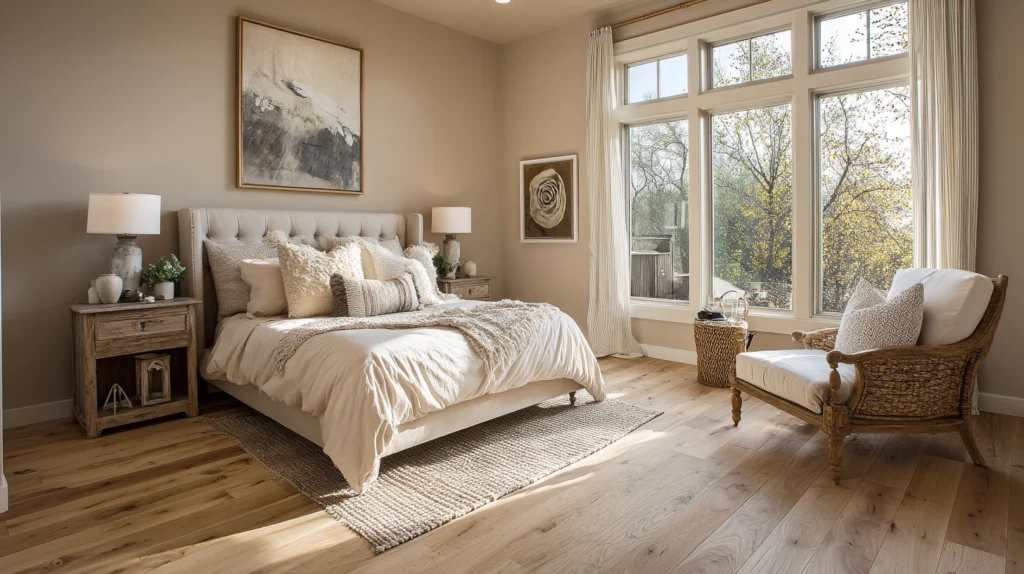
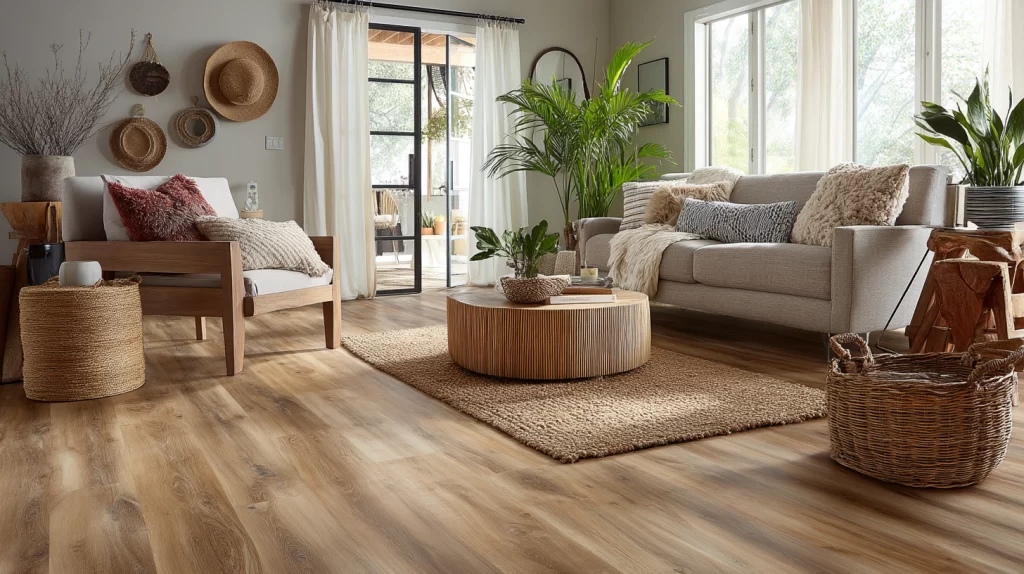
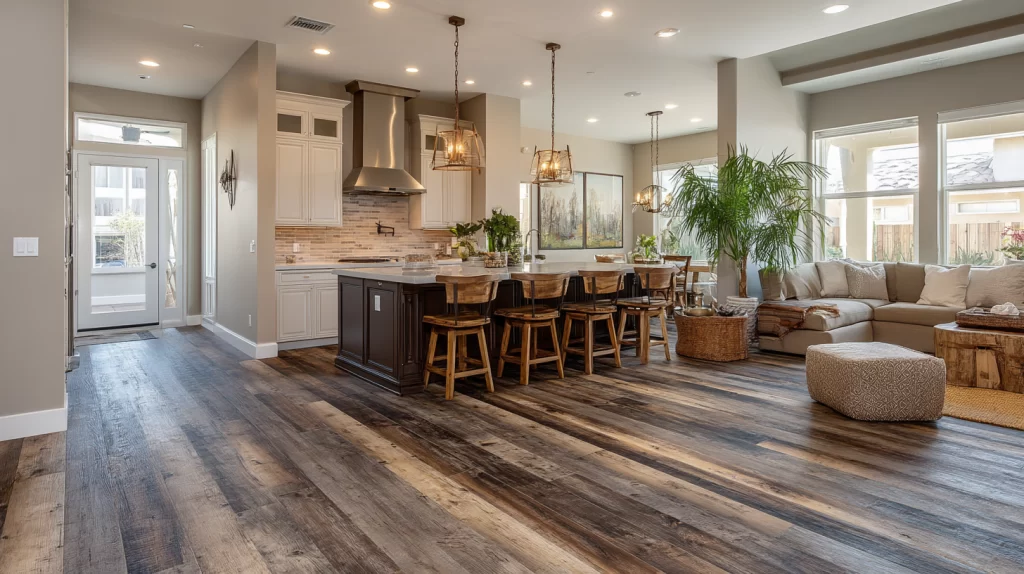
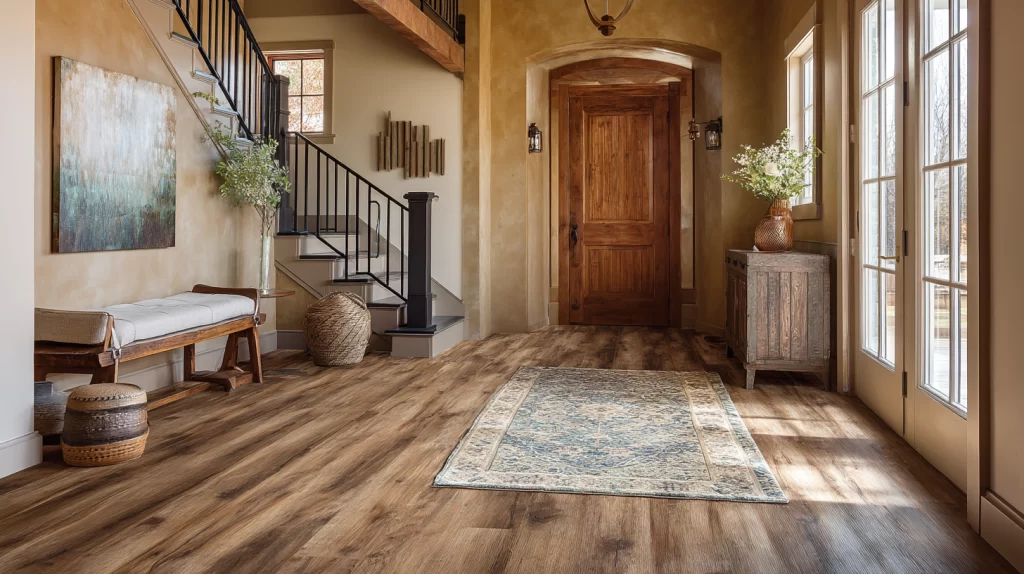
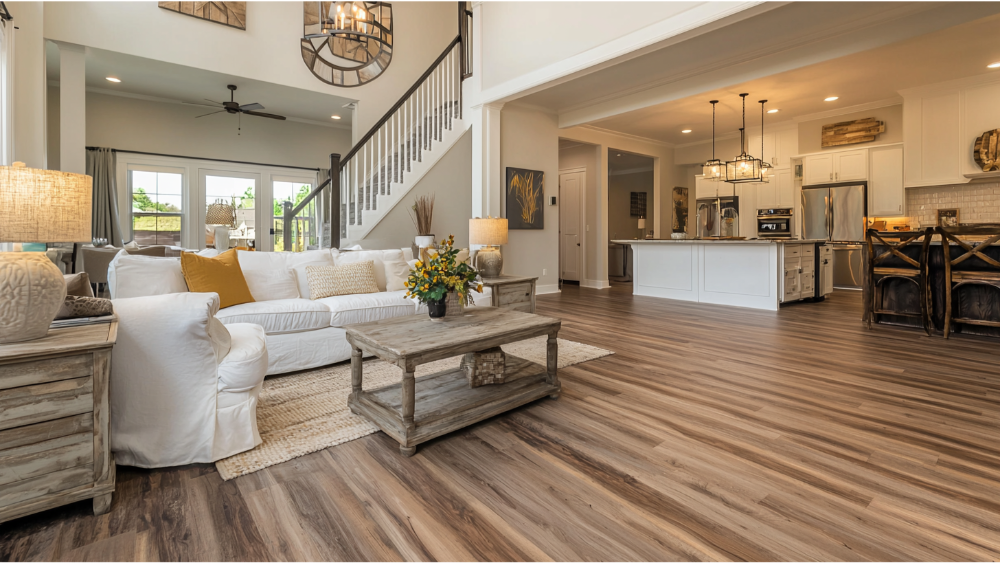
What is laminate flooring and why has it become one of the most popular floor coverings for modern homes? Laminate flooring is a durable, cost effective flooring made to replicate the look of natural wood, stone, or tile while offering easier maintenance and excellent surface stability. For homeowners who want beautiful floors that can handle real life, laminate flooring brings together performance, style, and value in a way few options can match.
Across busy households in Washington, laminate continues to stand out as an affordable alternative to solid hardwood and ceramic tile. It works well in living rooms, bedrooms, hallways, and even stairs when installed correctly. To truly understand laminate, it helps to look at how laminate flooring is made, how it performs, and how it compares to other flooring options.
What Is Laminate Flooring?
Laminate flooring is a multi layer flooring product designed to look like wood or stone while offering high resistance to wear. When people ask what is laminate flooring, the simplest answer is this, it is flooring made from multiple layers that are fused together under high pressure to create a strong, stable surface.
Unlike solid wood or solid hardwood, laminate does not use a full plank of real wood. Instead, laminate wood is built around a core board made from wood fibers and wood chip composite materials. These materials are pressed together with melamine resin to form a dense and durable center. On top of that core sits a decorative image layer that visually mimics natural wood, ceramic tile, or stone. A tough wear layer seals the surface and protects the floor from daily use.
Laminate floors are commonly installed using a floating floor system. This means the laminate flooring planks lock together and rest over the subfloor without being nailed or glued down. This floating installation method allows the floor to expand and contract naturally with temperature changes while maintaining closer fitting joints and long term stability.
How Is Laminate Flooring Made?
Understanding how laminate flooring is made helps explain why it performs so well in high traffic areas. Laminate is created using high pressure manufacturing techniques that fuse multiple layers into a single plank.
The Four Layers of Laminate Flooring
Most laminate flooring planks are built using four layers, each serving a specific purpose.
Wear Layer
The wear layer is the clear top layer that protects the floor surface. This resin coated top layer resists scratches, scuffs, stains, and fading. A tough wear layer is one of the biggest reasons laminate is considered durable and low maintenance. This layer protects the decorative surface below and helps the floor stand up to foot traffic and life throws at it.
Design Layer
Below the wear layer is the design layer. This is a high resolution image that recreates the look of real hardwood, stone, or tile. Modern printing technology allows laminate wood to closely resemble real wood grain, knots, and texture. This layer is what gives laminate its visual appeal.
Core Layer
The core layer is the structural heart of laminate flooring. It is typically made from high density fiberboard created from compressed wood fibers. This core board provides strength, impact resistance, and excellent surface stability. The density of the core layer plays a major role in how the floor handles pressure, furniture weight, and daily use.
Backing Layer
The bottom layer adds balance and moisture resistance. It helps protect the planks from minor moisture coming up from the subfloor and supports the floating floor system.
Together, these four layers create laminate flooring planks that are strong, stable, and designed to perform in real homes.
How Laminate Mimics Natural Materials
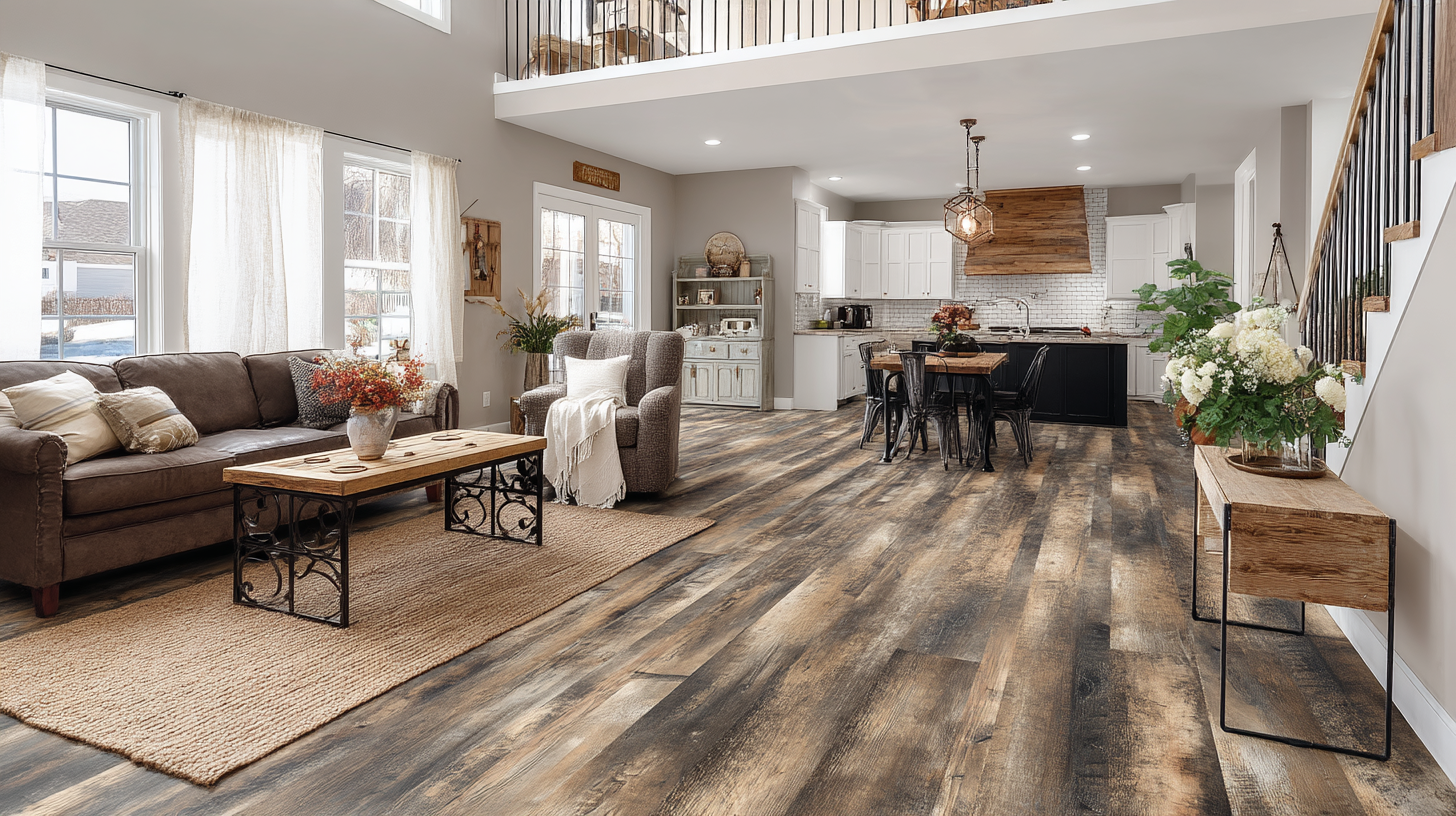
Laminate flooring is designed to look like natural materials without the cost or maintenance challenges of solid wood or stone. Advanced embossing techniques align surface texture with the printed design layer, giving the floor a more realistic feel. Many homeowners are surprised at how closely laminate wood can resemble real hardwood or engineered wood flooring once installed.
Top Benefits of Laminate Flooring for Seattle Area Homes
Laminate flooring continues to grow in popularity because it offers practical benefits that suit busy lifestyles.
Scratch and Dent Resistance
Laminate is known for its ability to resist scratches and dents. The hard sealed surface created by the wear layer helps protect against damage from pets, kids, and everyday activity. This makes laminate ideal for high traffic areas like hallways and living rooms.
Cost Effective Flooring Choice
One of the biggest advantages of laminate is its value. Compared to solid hardwood flooring or engineered wood flooring, laminate is a more affordable alternative that still delivers a high end appearance. For homeowners looking to update multiple rooms, laminate can make all the difference in staying within budget.
Wide Range of Styles
Laminate flooring planks are available in countless styles, colors, and textures. Whether you prefer the warmth of laminate wood, the clean look of tile, or the elegance of stone, there is a laminate option to match your vision. Designs inspired by natural wood and wood or stone finishes remain especially popular.
Low Maintenance and Easy Care
Laminate is a low maintenance flooring option. Regular sweeping or vacuuming keeps debris off the surface, and occasional cleaning with a damp mop is usually enough to maintain its appearance. The wear layer protects the design from stains and fading, making laminate a great choice for busy households.
Easy to Install Flooring
Laminate is considered easy to install thanks to its user friendly locking system. Laminate installation typically uses a click together floating installation method, which allows planks to fit together securely without adhesives. This installation method reduces installation time and helps create closer fitting joints.
Where Can You Install Laminate Flooring?
Laminate flooring works well in many areas of the home, but placement still matters.
Best Rooms for Laminate Flooring
Laminate performs well in living rooms, bedrooms, hallways, offices, and stairs. Its durability and comfort underfoot make it suitable for spaces with regular foot traffic. When installed over proper foam underlayment, laminate can also provide a softer footfall and improved sound absorption.
Areas to Avoid or Use Caution
Traditional laminate is not ideal for rooms with frequent moisture exposure, such as a bathroom or laundry room. While laminate is moisture resistant to a degree, standing water can still damage the core board. In these spaces, ceramic tile or vinyl flooring may be a better fit.
Is Laminate Flooring Waterproof?
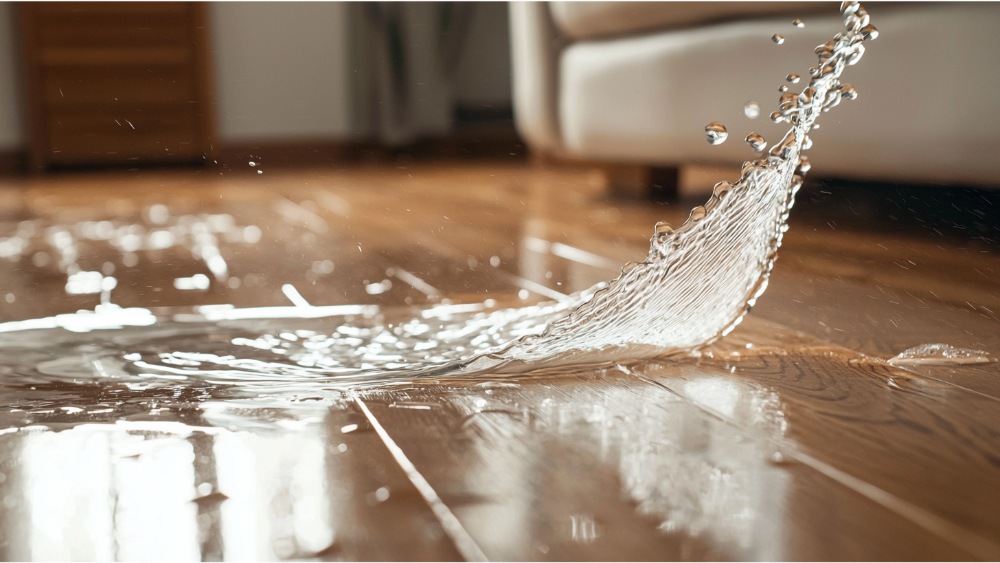
Standard laminate flooring is water resistant, not fully waterproof. The surface layer can handle small spills if they are cleaned promptly, but prolonged exposure to water can affect the core layer. Some newer laminate products offer enhanced moisture resistant features, including tighter seams and improved backing layers.
For kitchens and entryways, laminate can work well when paired with a proper moisture barrier and careful installation. For bathrooms or laundry rooms, tile or vinyl flooring is usually the safer choice.
Laminate vs Other Flooring Types
Choosing between flooring options often comes down to key differences in performance, cost, and appearance.
Laminate vs Vinyl Flooring
Laminate and vinyl flooring are often compared. Vinyl flooring is fully waterproof and flexible, while laminate offers a more rigid feel and often a closer resemblance to real hardwood. Laminate is better for homeowners who want the look of wood with excellent surface stability, while vinyl excels in wet areas.
Laminate vs Hardwood Flooring
Hardwood flooring, including solid hardwood and real hardwood, offers unmatched authenticity and long term value. However, hardwood flooring requires more maintenance and can be more susceptible to scratches. Laminate offers high resistance to wear and is more forgiving in busy households.
Laminate vs Engineered Wood Flooring
Engineered wood flooring uses a thin layer of real wood over plywood, while laminate uses a printed design layer. Engineered wood offers a natural wood surface, but laminate often provides better resistance to scratches and dents at a lower cost.
Laminate vs Tile Flooring
Tile, including ceramic tile, is extremely durable and water resistant. However, tile can feel cold and hard underfoot. Laminate provides more comfort underfoot and is easier to install, making it appealing for living spaces.
How Long Does Laminate Flooring Last?
High quality laminate flooring can last 15 to 25 years or longer when properly cared for. Durability depends on the thickness of the wear layer, the density of the core board, and how the floors are used. Laminate with a high pressure construction and strong wear layer performs best in traffic areas.
Pros and Cons of Laminate Flooring
Pros
Laminate is durable, cost effective, and visually appealing. It resists scratches, is easy to install, and requires minimal upkeep. Laminate flooring brings the look of natural wood into homes without the challenges of solid wood.
Cons
Laminate cannot be refinished like solid hardwood. If damaged, individual planks must be replaced. It is also less suitable for consistently wet areas like bathrooms.
How to Choose the Best Laminate Flooring for Your Home
Selecting the best laminate flooring involves balancing style, performance, and budget.
Durability and Traffic Needs
Choose laminate designed for high traffic areas if you have kids or pets. A stronger wear layer and dense core layer improve long term performance.
Style and Design
Consider how the laminate wood tone works with cabinets, walls, and furniture. Natural wood looks remain popular, but stone and tile inspired designs are also trending.
Underlayment and Subfloor Preparation
Proper subfloor preparation is essential. A clean, level subfloor combined with quality foam underlayment improves comfort and reduces noise. The right underlayment also supports the floating floor system.
Professional Laminate Flooring Installation
While laminate is easy to install, professional installation can make all the difference. Professional installation ensures the correct installation method is used, expansion gaps are placed properly, and the floor performs as intended over time. Experienced installers understand how to prepare the sub floor, apply a moisture barrier when needed, and handle transitions for a clean finish.
FAQs About Laminate Flooring
Is laminate better than engineered wood?
Laminate offers higher scratch resistance and lower maintenance, while engineered wood provides a real wood surface. The best choice depends on lifestyle and budget.
Can you install laminate flooring over existing floors?
Yes, laminate can often be installed over existing floors if the surface is flat and stable.
Is laminate flooring durable enough for busy households?
Yes, laminate is designed to handle foot traffic and everyday wear, making it ideal for busy households.
How do you clean laminate floors?
Sweep regularly and clean with a damp mop. Avoid excessive water to protect the core board.
Final Thoughts
Laminate flooring is a versatile, durable, and affordable flooring solution that works well in many homes. By understanding what laminate flooring is, how it is made, and where it performs best, homeowners can confidently decide if laminate is right for their space. When installed correctly, laminate delivers beautiful floors that balance style, comfort, and long term performance.