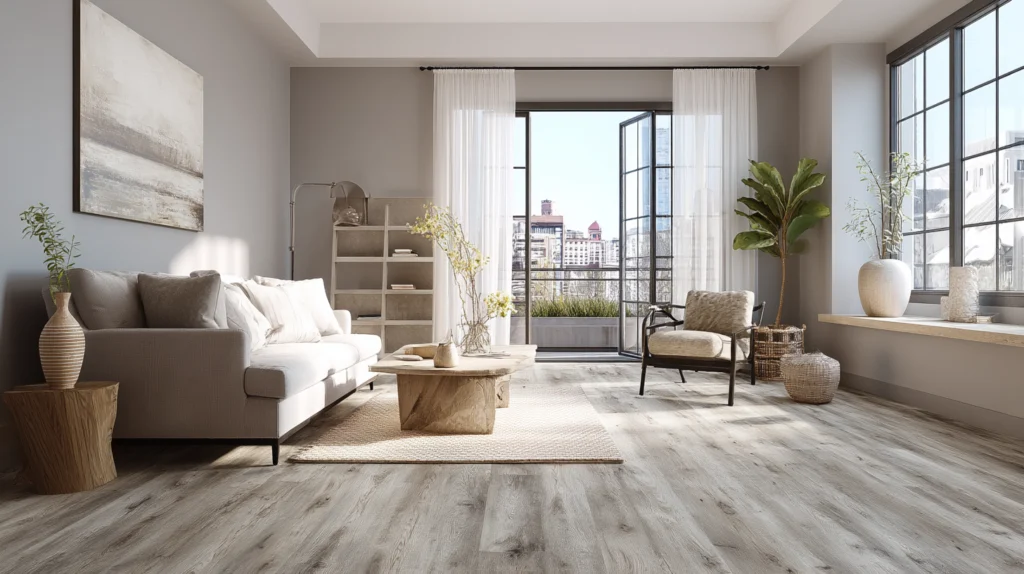


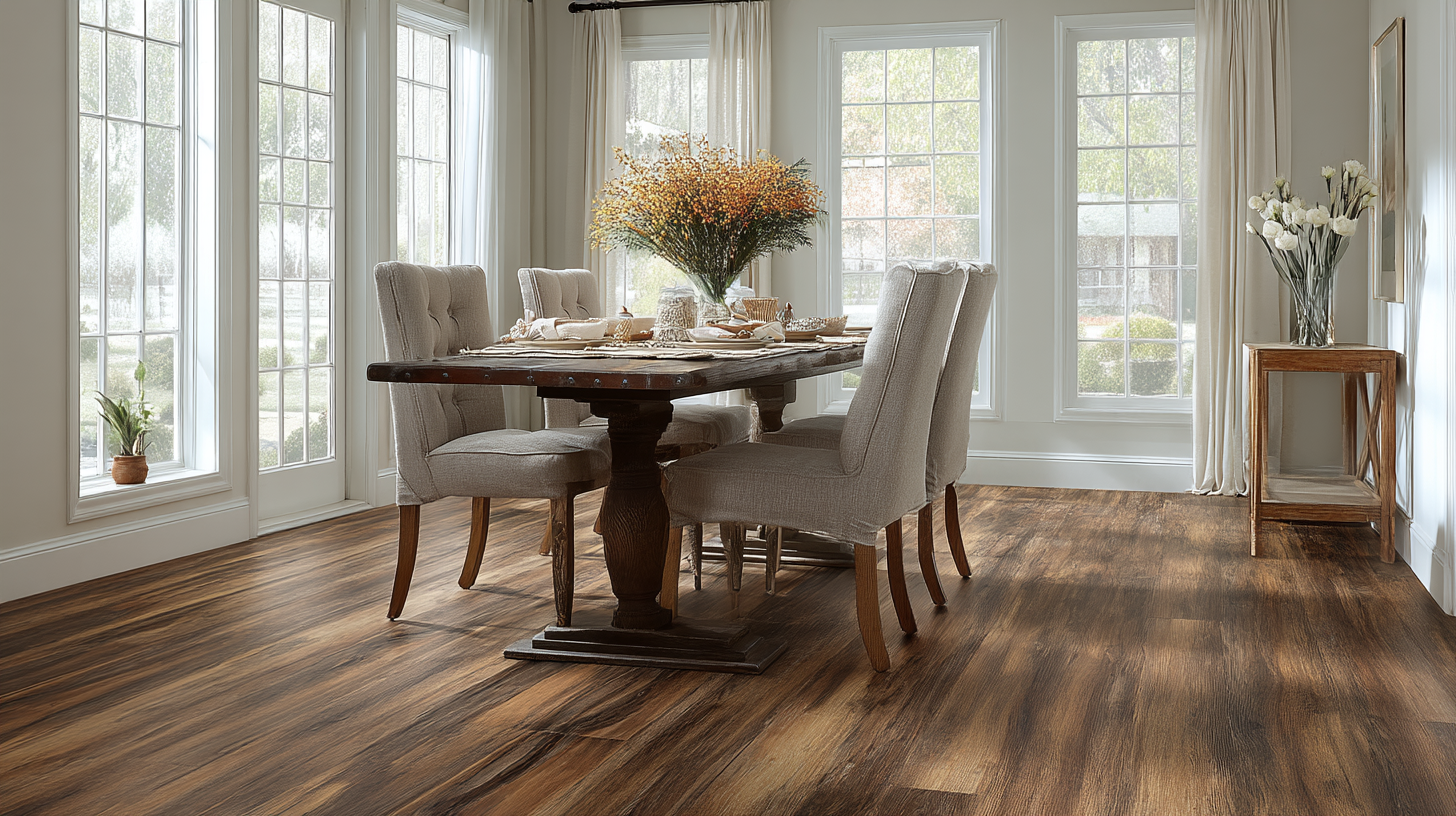
Luxury vinyl plank flooring is one of the most popular choices for new floors because it combines the look of wood or stone with durability and affordability, and because there are a variety of installation methods that fit virtually any space and budget. Whether you are installing vinyl plank flooring in a living room, kitchen, bathroom or basement, understanding what installation methods are used for LVP helps you decide which option is best for your home project. In this guide we explain the key methods for lvp installation, what makes each method effective, important installation instructions to follow, and key tips for laying planks so your new floor lasts for years.
Why LVP Flooring Is a Top Choice for Home Floors
Luxury vinyl flooring offers a combination of durability and style that few other flooring materials can match. Luxury vinyl tile and lvp flooring both resist water and stains, making them great options in kitchens, bathrooms and laundry spaces. Because luxury vinyl flooring comes in an array of wood and stone patterns, you can achieve the look you want without the maintenance of real wood or stone. Installing vinyl plank flooring often costs less than installing hardwood, and the easy installation methods available for lvp flooring make it a popular choice for DIY homeowners and professional contractors alike.
Overview of What Installation Methods Are Used for LVP
There are four main methods for installing luxury vinyl plank flooring. Each method works well in different situations and space conditions. These methods include click lock floating floors, glue down installation, peel and stick style installation, and loose lay installation. Each approach has its own advantages, key materials, tools and considerations.
Summary Table of Typical LVP Installation Methods
| Method | Skill Level | Best For | Subfloor Requirements | Tools Needed |
|---|---|---|---|---|
| Click lock floating floors | Moderate | Most residential rooms | Flat and clean subfloor | Saw, spacers, tapping block, measure |
| Glue down installation | Advanced | High traffic areas | Level and dry subfloor | Trowel, adhesive, roller |
| Peel and stick vinyl planks | Easy | Small spaces | Smooth and dust free | Utility knife, measure |
| Loose lay installation | Easy | Temporary use | Very flat subfloor | Minimal tools |
Click Lock Floating Floor Installation
How Click Lock Installation Works
One of the most common methods for installing vinyl plank flooring is the click lock system. In click lock installation, each plank has a tongue and groove that fit together when you lay planks side by side. This creates a floating floor that is not glued or nailed to the subfloor. Floating floors rely on the interlocking system of the planks themselves along with a small gap around the edges of the room to allow for expansion and contraction with changing temperatures.
Advantages of Click Lock Installation
Click lock installation has become a favorite among both DIY homeowners and professional flooring installers because it allows for faster installation than glue down methods. Floating floors are easy to take up and replace if repairs are needed and installing vinyl plank flooring this way often creates less mess and fewer steps than other approaches. Because the planks are not glued to the subfloor, the installation process can be less sensitive to moisture in some cases.
Challenges and Considerations With Click Lock
Even though installing vinyl plank flooring using the click lock method is often easier than other methods, it still requires care and good planning. The subfloor must be very flat and clean before you begin laying planks. If your subfloor has bumps or big height changes, the click lock planks may not lock together properly. You may need subfloor repair or leveling to ensure the best result.
Best Rooms for Click Lock Floating Floors
Click lock installation works well in living rooms, bedrooms, hallways and kitchens where moisture levels are moderate. In basements or bathrooms where moisture is higher, consider methods that bond planks directly to the subfloor.
Glue Down Installation for LVP Flooring
How Glue Down Installation Works
Glue down installation is a method where each luxury vinyl plank is permanently adhered to the subfloor using adhesive. This method creates a very stable floor because the planks are bonded to the surface beneath. Installing vinyl plank flooring with glue feels more permanent because the planks do not float. Instead, they are attached directly to the subfloor.
Types of Adhesive for Glue Down Installation
There are two primary types of adhesive commonly used for glue down installation. Pressure sensitive adhesive holds the planks when they are pressed into place. Hard set adhesive is applied with a trowel and typically offers stronger bonding. The type of adhesive you choose depends on your subfloor condition, the room environment, and the type of LVP flooring you are installing.
Advantages of Glue Down LVP
Glue down installation is ideal in spaces that see heavy use or moisture, such as basements or commercial spaces. Because the planks are fixed to the subfloor, the floor feels more solid underfoot and tends to have less movement than floating floors. Glue down methods also work well over concrete subfloors that might not allow for easy floating floor installation.
Challenges and Considerations
Installing vinyl plank flooring with adhesive takes more time and attention to detail. You need to ensure that the adhesive is applied evenly and that planks are set in place before the adhesive begins to set. Subfloor preparation is crucial because any dust, debris or uneven surface will compromise the bond between the plank and the adhesive. Moisture testing is also important because excessive moisture can affect the adhesive performance.
Peel and Stick Vinyl Plank Installation
How Peel and Stick Works
Peel and stick vinyl plank flooring, sometimes called GripStrip installation, has pre applied adhesive strips on the edges of each plank. You simply peel off the protective backing and press the planks into place. This type of installation is one of the easiest ways of putting down luxury vinyl flooring, especially for smaller spaces.
Advantages of Peel and Stick LVP
Because the adhesive is built in, installing vinyl plank flooring this way does not require messy glue or complex tools. Peel and stick is often a favorite for DIYers and for spaces like closets, small bedrooms or guest rooms where a quick installation makes sense. It is also more affordable in terms of materials and labor.
Limitations of Peel and Stick
While peel and stick installation works well in certain spaces, it may not be the best choice in high moisture areas like bathrooms or basements. The adhesive strips may wear down over time with heavy foot traffic or humidity changes. Peel and stick is also less effective on uneven subfloors. Making sure the surface is smooth and flat remains a key part of good installation.
Loose Lay LVP Installation
How Loose Lay Works
Loose lay installation is a method where heavy luxury vinyl planks are positioned directly on the subfloor without locking mechanisms or adhesive. The weight and design of the planks help keep them in place. Some loose lay products also include a grippy backing or may use perimeter tape to secure the outer rows.
Advantages of Loose Lay
Loose lay is often the fastest method of installing vinyl plank flooring because it removes steps like adhesive application or clicking planks together. It is a strong choice for rental properties or temporary installations because you can remove or replace individual planks easily. Because there is no glue and no locking system, cleanup is quick.
Limitations of Loose Lay
Loose lay installation works best when your subfloor is extremely flat, smooth and free of debris. Even small bumps or ridges can cause the planks to shift. Loose lay is not always the best option for high traffic areas where movement of furniture or frequent walking could cause small shifts.
Choosing the Right Installation Method for Your Space
Room by Room Recommendations
Different rooms in your home may call for different installation methods. For example, kitchens and living rooms with moderate moisture can benefit from click lock floating floors or glue down installation depending on your preference. Bathrooms and basements, because they have higher moisture, often work best with glue down methods that create a tight, bonded floor. Guest rooms and closets may work well with peel and stick or loose lay methods that offer quick and easy installation.
Subfloor Considerations
No matter which installation method you choose, a flat, clean and dry subfloor is critical. Uneven floors create problems for click lock flooring, adhesive bonding, and even loose lay planks. If your subfloor has imperfections, consider professional subfloor repair or leveling before installing vinyl plank or luxury vinyl tile.
Tools and Materials You Will Need
When installing vinyl plank flooring, you may need a variety of tools depending on your chosen method. For click lock you will need spacers, a tapping block and a saw to cut planks to size. Glue down methods require a trowel and roller along with the appropriate adhesive. Peel and stick installation needs basic cutting tools and a good measure. Loose lay often requires very few tools but may need perimeter tape.
Common Mistakes to Avoid When Installing LVP
Skipping Subfloor Preparation
One of the biggest mistakes people make when installing vinyl plank flooring is not preparing the subfloor properly. Dust, bumps or unevenness can ruin the look of your floor or even reduce its lifespan.
Not Following Installation Instructions
Each type of luxury vinyl flooring product comes with specific installation instructions. Ignoring those instructions can lead to buckling, gaps, or movement.
Ignoring Expansion Gaps
For click lock floating floors, you must leave gaps along the walls and doorways so the floor can expand and contract with changes in temperature and humidity. Ignoring this crucial step leads to buckling rows and seams.
Using the Wrong Adhesive
When installing vinyl plank flooring with glue down methods, using the wrong adhesive or applying it incorrectly creates problems right away. Make sure you follow the adhesive manufacturer’s instructions.
Why Professional Installation Matters
Even though some methods like peel and stick or click lock may feel like easy installation options, professional contractors bring experience and precision that helps new floors perform and look their best. Professional installation ensures that floors are laid according to best practices, that subfloor issues are addressed before they become problems, and that your luxury vinyl flooring project is done right the first time.
Experienced installers have the tools and know how to handle transitions at doorways, patterns and direction changes, underlayment selection, and proper plank layout so your floor looks cohesive throughout your rooms.
Key Tips for Installing Vinyl Plank Flooring Successfully
Measure Twice
Accurate measurement is crucial before laying planks. A good layout with careful measure reduces waste and ensures a balanced look.
Sweep and Clean the Subfloor
Before putting down any planks, make sure the surface is swept and clean of dust and debris.
Decide on a Layout Direction
Choosing the right direction to lay your planks affects the overall feel of the room. Often planks run parallel to the longest wall or the main source of natural light.
Follow the Manufacturer’s Instructions
Every luxury vinyl flooring product has specific installation instructions. Referring to those instructions helps you avoid common mistakes.
Frequently Asked Questions About LVP Installation
Can You Install LVP Over Tile or Hardwood?
Yes, you can install luxury vinyl flooring over tile or hardwood if the surface is flat, clean and stable. Floating floors like click lock are often used in these situations, but always check the subfloor condition first.
Do You Need Underlayment for LVP?
Some luxury vinyl flooring products have built in underlayment. Underlayment can help with sound reduction and comfort, especially on concrete.
How Long Does LVP Installation Take?
Installing vinyl plank flooring typically takes one to two days for an average room, depending on the method, subfloor condition and room size.
Is Click Lock or Glue Down Better?
Click lock is easier and faster to install, while glue down creates a very stable floor that is ideal for moisture prone spaces and heavy use.
What Installation Method Is Best for Pets?
Glue down and click lock are both good options for homes with pets, especially when you choose planks with a tougher wear layer that resist scratches.
Conclusion
Understanding what installation methods are used for LVP is critical to choosing the best approach for your home. From click lock floating floors to glue down installation, peel and stick planks and loose lay methods, each technique has a place depending on your needs, space and budget. Flooring installation is a project that deserves careful planning, attention to detail, and, in many cases, the help of professional contractors who can ensure your new floors look great and last for years.
If you are planning a vinyl plank flooring installation, take time to review all options, follow installation instructions, and use the right tools and materials. With proper preparation and execution, your luxury vinyl flooring project will deliver beautiful, durable results you will enjoy for years to come.