

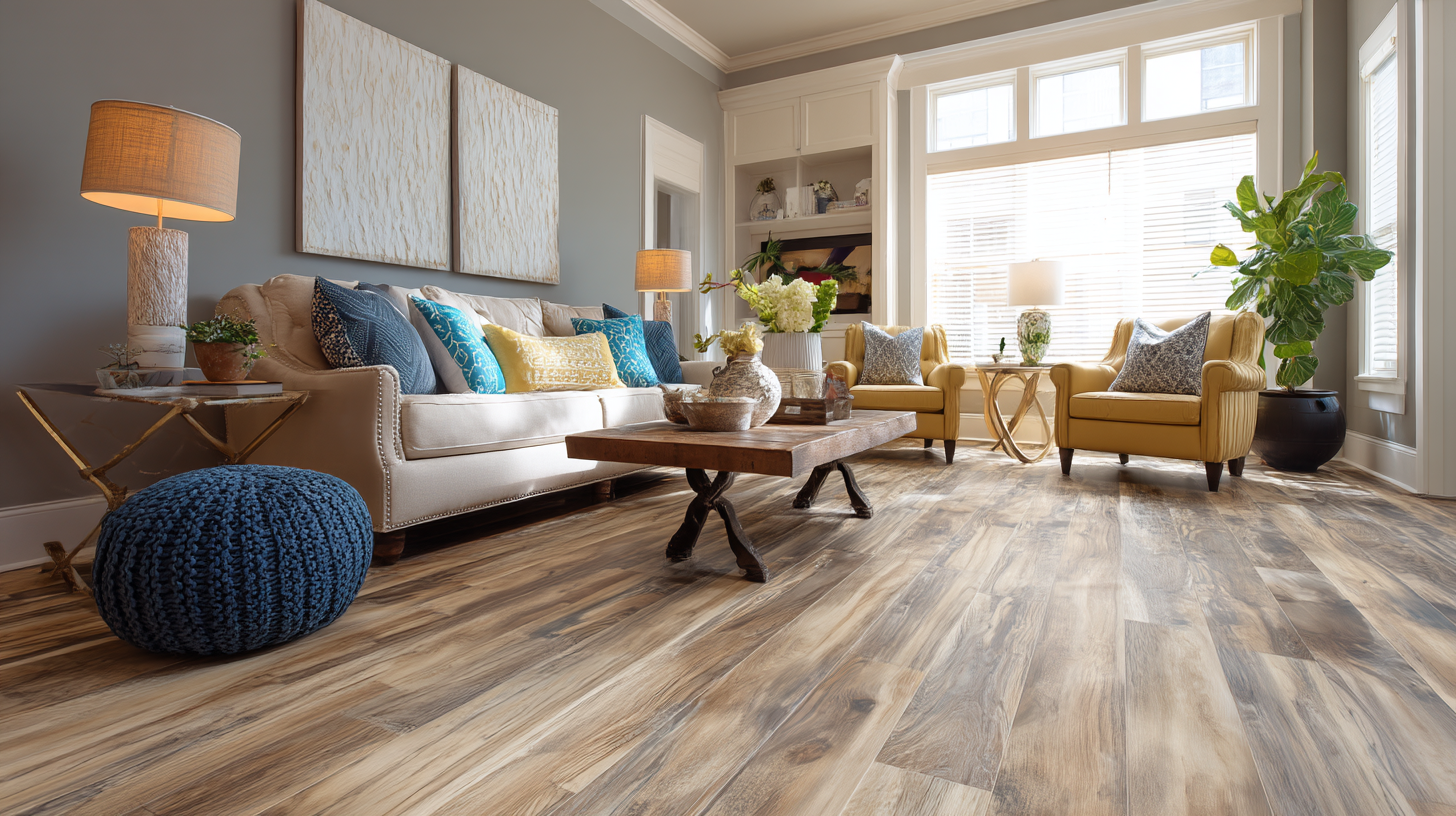
Can New Flooring Be Installed Over My Existing Floors? Here’s What You Need to Know
If you are asking “can new flooring be installed over my existing floors”, you are not alone. Many homeowners want to avoid demolition, mess, cost, and disruption. The short answer is in most cases, yes new flooring can be installed over existing floors, but it depends on many things. Understanding how new flooring works over an existing floor helps you choose the best solution for your home, your budget, and your lifestyle. This guide explains how and why installing new flooring over an old floor works, what common flooring types are suitable, the essential preparation steps, and how to decide if your home is a good candidate.
Why Homeowners Consider Flooring Over Existing Floors
When you are ready to replace old flooring, putting flooring over existing surfaces is appealing. Installing over existing floors saves time, reduces mess, and eliminates the need to remove old floor coverings. In most homes, flooring over existing surfaces can be a cost‑effective and practical choice. Many types of new laminate flooring, luxury vinyl plank flooring, and luxury vinyl tile can be laid over a current floor with proper preparation. Floating floors such as click‑lock laminate and luxury vinyl plank flooring are specifically designed to bridge minor imperfections in a current floor.
Installing new flooring over existing floors means less demolition, less debris, and less disturbance to daily life in your home. You avoid dealing with dust from removing tile or hardwood flooring. You also save on labor and disposal costs that come with tear‑out. Best of all, putting new laminate flooring or luxury vinyl flooring over a solid surface lets you enjoy updated flooring sooner. That said, every situation is different and proper preparation of your existing floor makes the difference between a floor that lasts and a floor that fails early.
Can You Really Install Over Existing Floors?
The concept of flooring over existing surfaces works in many cases, but not every situation is suitable. The essential rule is that your existing floor must be in decent shape for the new flooring to perform well. A floor that is cracked, soft, uneven, or showing signs of damage is not suitable for direct installation of new flooring. In most cases, tile flooring, laminate, luxury vinyl plank flooring, and vinyl flooring can be installed over existing surfaces if the surface is flat, stable, and free of moisture.
Before deciding to install new flooring over an existing floor, the subfloor and current floor must be evaluated. If moisture, mold, rot, or structural issues exist, remediation or removal of the existing floor is necessary. In many homes, subfloor issues show up only after removal of furniture or preparation work begins. When a subfloor is weak or damaged, installation of new flooring over that surface will not correct the underlying issue. For that reason, flooring professionals always check the subfloor, including the condition of floor joists, and current floor before recommending flooring over existing.
What Types of Flooring Can Be Installed Over Existing Floors?
Understanding how different flooring types behave over an old floor helps you choose the right product and installation method.
Luxury Vinyl Plank Flooring and Luxury Vinyl Tile
Luxury vinyl plank flooring and luxury vinyl tile are among the most flexible flooring options for installing over existing floors. These products can be laid over tile, wood floors, existing hardwood floor, concrete, or other smooth surfaces as long as the surface is clean and flat. Luxury vinyl plank flooring comes in floating floors or glue‑down versions, and both are suitable for installation over existing floors when the surface is in good shape.
Floating floors, whether luxury vinyl flooring or laminate flooring, are especially good candidates for installation over existing surfaces because they are not glued or nailed to the surface. Instead, the planks or tiles interlock and sit above the existing floor, creating a new stable floor layer. The ability of luxury vinyl flooring to bend and flex slightly accommodates minor imperfections in the old floor, making it one of the most popular flooring options for renovation projects.
Laminate Flooring
Laminate is another common choice for flooring over existing floors, particularly when the current floor is tile or vinyl flooring. New laminate flooring is designed to be installed as a floating floor, and with the right underlayment, laminate can sit on top of many existing surfaces. Proper underlayment helps absorb sound and adds moisture protection, making laminate flooring over a suitable existing floor a practical choice.
Laminate flooring cannot be installed over carpet or surfaces that are soft or cushioned. Soft surfaces will lead to instability, creaks, and early failure of the new laminate floor. Before installation, any tack strips or carpet padding must be removed so the laminate can rest on a firm, flat base.
Hardwood Flooring
Hardwood flooring is less forgiving than laminate or luxury vinyl flooring when installed over existing floors. In most situations, solid hardwood flooring should not be installed directly over an existing floor. Solid hardwood needs to be nailed or stapled to a suitable subfloor surface such as plywood or wood joists. If you have an existing hardwood floor in good condition, refinishing may be a better option than layering new hardwood flooring over it.
Engineered wood floors offer more flexibility, and in some cases new hardwood flooring can be installed over existing floors if the surface is flat and stable. Still, most manufacturers of hardwood flooring recommend removing the old floor before installation. When you install new laminate flooring or luxury vinyl plank flooring, the flooring type and installation method should be matched to the condition of the surface below.
Tile Flooring
Installing tile flooring over an existing tile floor is possible only when the current floor is completely stable, without loose or cracked tiles, and the surface is flat. In most cases, tile installers use leveling compound or backer board to create a suitable surface before laying new tile flooring. Installing tile over an old floor without proper preparation can cause the new tile to crack or fail.
Also, tile flooring adds height that may require adjusting doors and cabinets. If your floor height rises significantly, transitions to other rooms may need special trim to create a smooth look and avoid trip hazards. Tile floors are rigid, and unlike floating floors, they do not tolerate movement in the subfloor. For that reason, tile installation often requires more extensive preparation compared to laminate or luxury vinyl flooring.
Carpet
Carpet is one of the least suitable flooring types to install over an existing floor. Carpet installation needs a flat, firm surface and cannot be installed over old carpet or carpet padding. Before installing new carpet, all carpet and padding must be removed. Tack strips from the old carpet should be taken up so the new carpet can be stretched correctly across the floor surface.
Things to Consider Before Installing Over Old Floors
Even when your existing floor appears suitable, several considerations influence success.
Floor Height and Transitions
Installing flooring over an existing floor raises the overall floor height. If you stack a new floor on top of an old floor, your doors, thresholds, and trim may require modification. Before installation, most professionals check how the new floor height will affect doors, cabinets, and flooring transitions to other rooms.
Elevated floor height may also affect appliances such as dishwashers or refrigerators, especially when replacing laminate flooring or luxury vinyl plank flooring in kitchens. Changing floor height is not a reason to avoid installing over an existing floor, but careful planning ensures the final result looks intentional and professional.
Sub Floor and Surface Condition
The underlying subfloor and surface determine whether a new floor will perform well. A subfloor with soft spots, mold, moisture, or uneven areas is not suitable for installing new laminate flooring or luxury vinyl flooring over existing surfaces. It is essential to repair or reinforce the subfloor before installation. This may involve leveling compound to fill low spots or replacing damaged plywood panels beneath the existing floor.
Moisture is another key issue. Moisture in concrete slabs or wood subfloors will affect some flooring types more than others. Laminates and vinyl flooring have specific moisture guidelines from most manufacturers to avoid buckling, warping, or mold growth. Testing moisture levels before installation is a critical step, especially when installing new flooring in basements or bathrooms.
Installation Method and Preparation
Installing flooring over existing surfaces requires proper installation methods and preparation. Floating floors such as laminate or luxury vinyl plank flooring are designed to be installed without glue or nails, making them a preferred choice for flooring over existing floors. Other floors, like tile flooring, may need adhesion to a flat, stable surface.
Good preparation includes cleaning the surface thoroughly, filling cracks or grout lines, and ensuring the surface is smooth. Use leveling compound where needed to eliminate dips or high spots. Tack strips, nails, and other debris should be removed from the current floor before laying new flooring.
Pros and Cons of Installing Over Existing Floors
Pros
Installing new flooring over existing surfaces offers many benefits. It saves time, reduces disruption, and often lowers cost compared to full tear‑out and replacement. Because there is less demolition, there is also less mess. Floating floors like laminate and luxury vinyl flooring are especially good for this approach. This method allows you to update the look of your home faster and can be a suitable solution in many rooms.
Cons
There are also drawbacks. Installing over an existing floor may hide subfloor problems that could affect longevity. If the existing floor is not flat or stable, new flooring may fail prematurely. Raised floor height can require trimming doors, cabinets, or transitions to other rooms. For hardwood flooring and tile flooring, a full removal and proper subfloor preparation may be the better choice to avoid future issues.
Frequently Asked Questions About Flooring Over Existing Floors
Can I install vinyl flooring over tile?
Yes in many cases, especially when the tile is in good condition, flat, and secure. Floating luxury vinyl flooring is forgiving over minor imperfections.
Can new laminate flooring be installed over an existing tile floor?
Yes, laminate is often installed over tile if the surface is leveled and smooth. Underlayment is essential for sound dampening and stability.
Is installing new flooring over an existing hardwood floor a good idea?
In most cases no for solid hardwood flooring. Engineered wood floors may be more suitable, but professional assessment is recommended.
What happens if I install over a damaged existing floor?
Installing over a damaged floor often leads to issues like cracks, gaps, or squeaks. Proper repair or removal of the old floor is advised before installation.
When It’s Better to Remove the Old Floor
Sometimes removing the existing floor is the best choice. If the old floor has extensive water damage, mold, structural issues, or severe unevenness, removing it and preparing the subfloor creates a better foundation for new flooring. Hardwood flooring, tile flooring, and some high‑end luxury vinyl plank installations often perform better when the old floor is removed.
How to Know What’s Right for Your Home
To decide the best route for your home, consider consulting professionals who can assess your current floor, subfloor, moisture levels, and desired flooring style. Evaluating these factors helps you choose the right flooring type, installation method, and whether flooring over existing surfaces is suitable.
Ready to Upgrade Your Floors with Confidence
Installing new flooring over existing floors can be a smart solution for updating your home when the surface is in good condition and properly prepared. With the right product, proper preparation, and a focus on essential installation steps, you can enjoy beautiful new floors without unnecessary hassle. Whether you choose laminate, luxury vinyl flooring, or another flooring option, thoughtful planning and professional guidance ensure a successful result in most rooms of your house.
If you are ready to explore flooring over existing surfaces or want help determining the best approach for your home, reach out today for expert advice and support. We will help you choose the right flooring solution and handle every step of installation with care.