


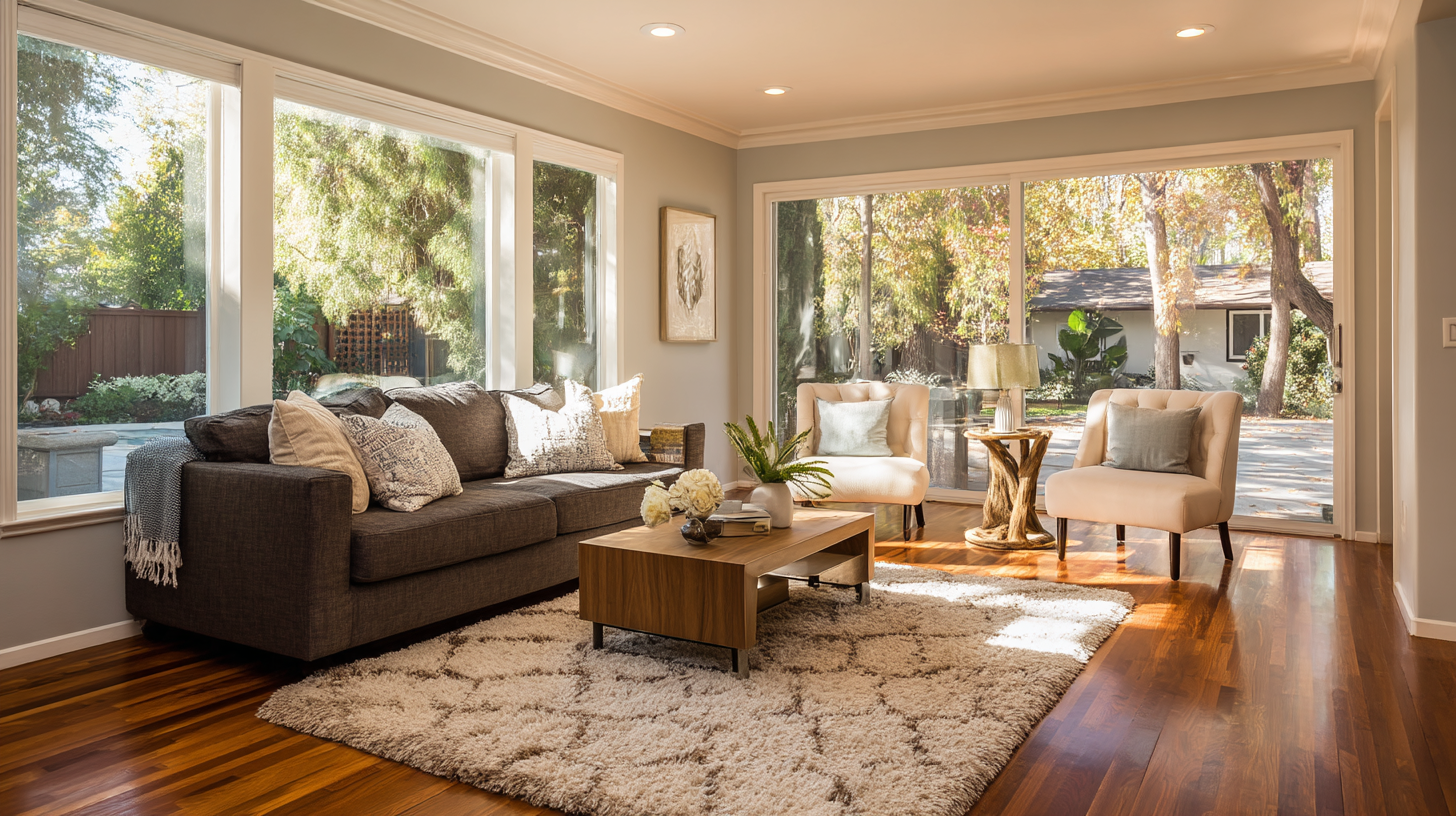
What Every Homeowner Needs to Know
Hardwood flooring adds timeless charm, warmth, and value to your home, but what happens when it starts to look scratched, faded, or just plain tired? The good news is that in many cases, hardwood floors don’t need to be replaced to look brand new again, they can be refinished.
In this guide we’ll walk you through everything you need to know about the hardwood floor refinishing process, how it works, when it’s worth doing, and whether your floors are a good candidate for it. If you’re a homeowner wondering if you can hardwood flooring be refinished in your space, you’re in the right place.
What Does It Mean to Refinish Hardwood Floors?
Refinishing hardwood floors is the process of restoring the surface of your existing wood floors by sanding away the old finish and applying a new finish. It’s different from a simple screen and recoat, which just refreshes the top layer, and it’s far less invasive than a full replacement. In the refinishing process, you’ll typically remove the old finish, repair minor scratches, dents, and other imperfections, sand the boards, apply new stain or leave the natural wood look, then apply a durable finish to protect the wood.
During the hardwood floor refinishing process, your hardwood floor is sanded down to remove surface damage like scratches and dents, then optional wood stain may be applied, and finally a new durable finish is coated to give the floor new life. By choosing to refinish hardwood flooring rather than replace it, you preserve the natural beauty of your existing floors, save money, and extend the life of your investment.
Benefits of refinishing hardwood floors rather than replacing include restoring beauty without full replacement, cost-effective solution, the chance to change wood stain or finish, and extending the life of your hardwood floor. Many homeowners appreciate that their original hardwood flooring retains character, value, and authenticity when refinished rather than replaced.
Can All Hardwood Floors Be Refinished?
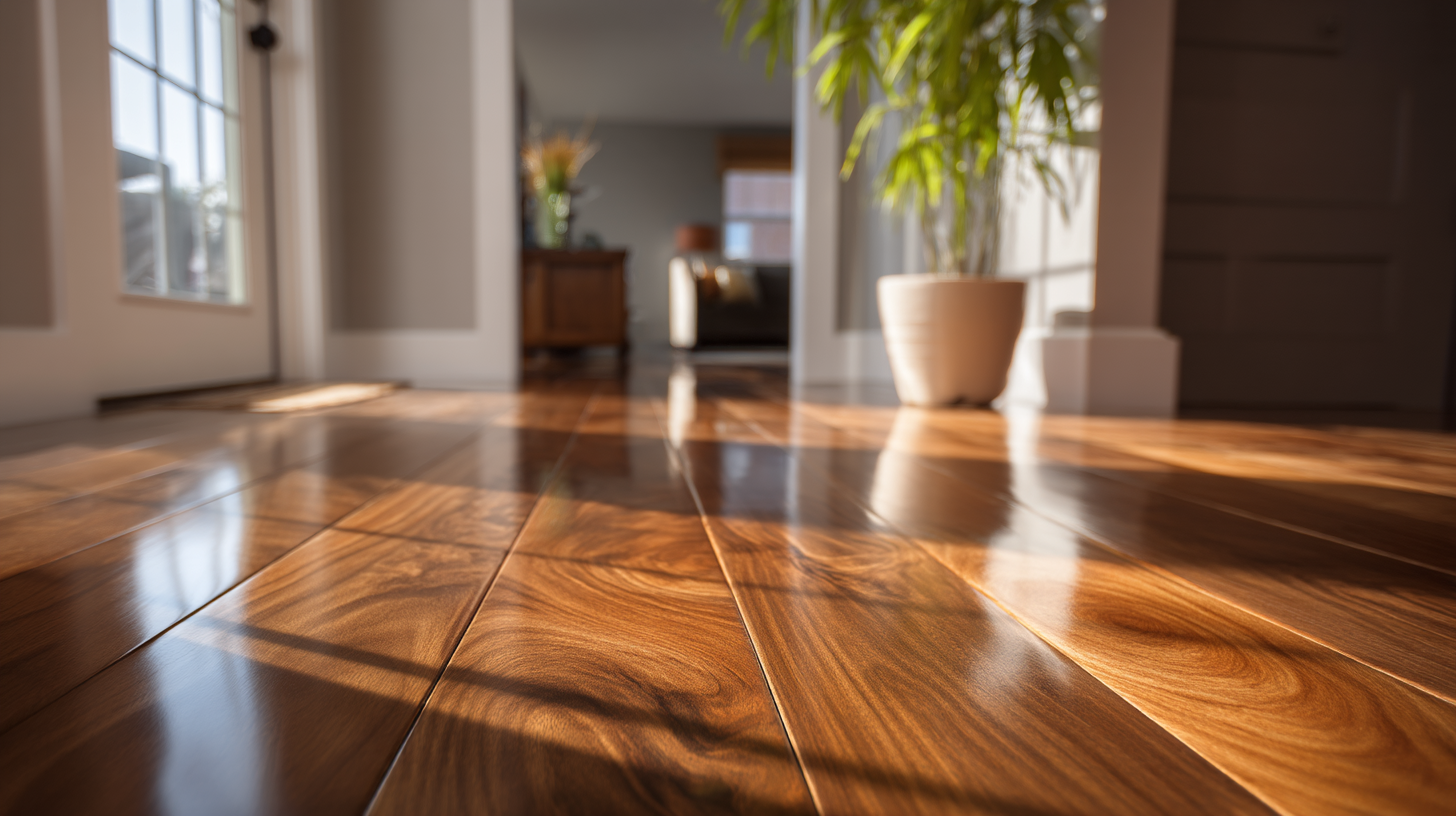
Not all wood floors are created equal, and not every floor is a good candidate for refinishing hardwood floors. Whether you can refinish hardwood flooring depends on several factors including the type of board (solid hardwood vs engineered hardwood), the thickness of the wear layer, whether it has been refinished multiple times, and the condition of the underlying structure and subfloor.
Solid Hardwood vs Engineered Hardwood
Solid hardwood means boards that are one continuous piece of wood from top to bottom. These are typically thick enough to withstand sanding and refinishing several times during their lifespan. Engineered hardwood floors consist of a hardwood veneer bonded over a plywood or other core layer. For engineered hardwood floors, the top layer thickness (wear layer) becomes critically important, because if the wear layer is too thin the sanding process can expose the core and damage the board. When you ask “can hardwood flooring be refinished” you need to evaluate whether your floor is solid hardwood or engineered hardwood flooring and check the thickness of the wear layer.
If your floor is solid hardwood then you likely have more sanding and refinishing options ahead. If your floor is engineered hardwood and the hardwood veneer is thick enough you may be able to refinish hardwood floors, but if it is thin or has been refinished already many times you may be at the end of the line for refinishing. The professional flooring contractor will examine the wear layer, how many times the floor has been refinished, the condition of the boards, and determine whether refinishing is viable.
How to Tell if Your Floors Can Be Refinished
Here are key indicators many homeowners should check: What is the wear layer thickness? Has the floor been refinished multiple times already? Are there deep scratches, visible dents, water damage, boards that cup or warp, or significant movement in the floor? Are the wood boards even and stable, or are there uneven surfaces in the living space? If you see surface scratches and only minor scratches you might be fine. If you see deep scratches, water damage, significant movement, or the wear layer is very thin it may be wiser to replace rather than refinishing.
To refinish hardwood flooring safely you’ll want sufficient raw wood below the old finish and sufficient thickness in the wear layer so that the sanding process does not expose the plywood or engineered core. If the boards are already very thin, or have been refinished many times, or have structural issues or extensive damage, then not refinishing may be the best course. In that situation, replacement may make more sense.
When Refinishing Isn’t a Good Option
There are clear situations when you should not refinish your hardwood floors. If boards are severely warped or cupped, if you have extensive water damage or mold, if the wear layer is extremely thin and the floor has already been refinished multiple times, or if structural issues or moisture problems exist in the subfloor, then the best course is full replacement rather than refinishing. In these cases, the professional flooring contractor will advise that replacement is a safer long‑term solution.
Signs Your Hardwood Floors Need Refinishing
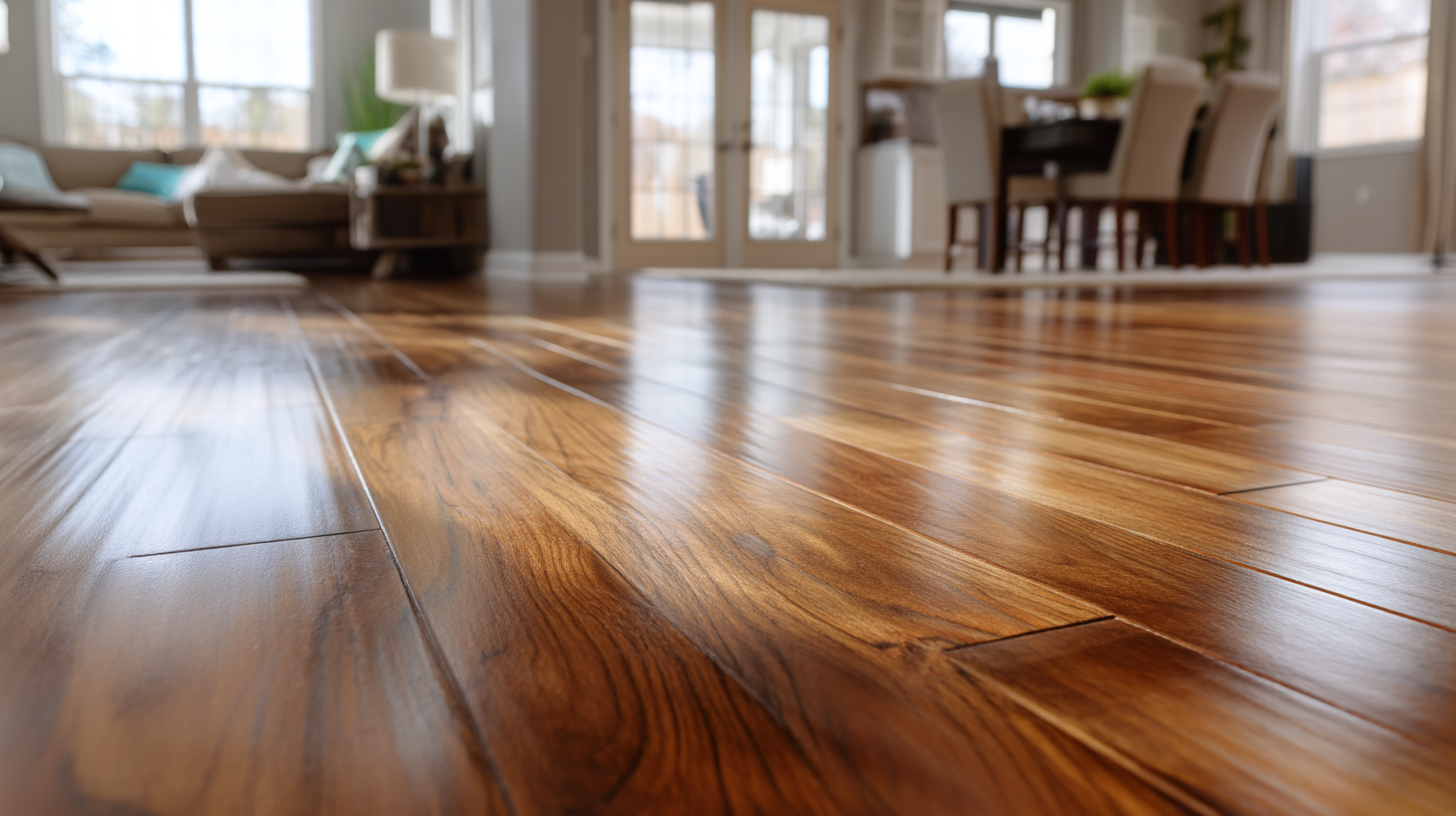
So how do you know when it’s time to refinish your hardwood floors? Many homeowners look for these telltale signs: the finish on the hardwood floor is dull or clouded, scratches and dents cover large areas, water no longer beads on the surface but soaks in, discoloration or uneven staining is present, the boards show wear in high‑traffic zones, or you can see the raw wood in places where the old finish has worn through. If you notice the floor looks tired, scratched, uneven in shine, or the top layer finish has worn off, then it may be time to consider refinishing hardwood flooring.
Sometimes a floor only needs a light refresh, but if you’re dealing with deep scratches, dents, faded colour or the finish has worn down to wood, then refinishing is a practical and cost-effective way to restore natural beauty, rather than replacing altogether.
What to Expect During the Refinishing Process
Refinishing a hardwood floor is a detailed undertaking, but when done by the right professional flooring contractor it’s a clean, efficient process. Understanding the steps helps you prepare and plan for the disruption and timeframe.
Step‑by‑Step Overview
- Evaluation: A qualified professional examines your wood floors, identifies solid hardwood or engineered hardwood, checks the wear layer, boards, condition, subfloor and confirms whether refinishing hardwood floors is viable.
- Furniture removal and prep: The living space is cleared of furniture, rugs, base moldings may be removed, exposed vents are sealed, any protruding nails, gaps or squeaks are repaired.
- Sanding: The boards are sanded using coarse grit sandpaper to remove the old finish and surface scratches, then finer grits are used to smooth the surface. The sanding process may use specialized equipment and progress through several passes until the surface is ready. The sanding process is one of the most time‑consuming parts of the refinishing process.
- Repair & fill: After sanding, gaps, minor dents, cracks or other imperfections may be filled, then the surface is prepared for finishing.
- Staining (optional): If you want to change the wood stain or refresh the look with a lighter or deeper tone, this is the stage. The raw wood is ready for the new stain.
- Finish coating: A durable finish, such as water based polyurethane or oil‑based polyurethane, is applied in multiple coats after sanding and cleaning dust from the boards. The finish protects the wood, adds gloss or matte texture, and gives the boards new life.
- Curing and cleanup: Once the final coat is applied, your floor must cure for a period before heavy furniture or rugs are returned. Then the room is re‑assembled and you enjoy your refreshed hardwood floor.
How Long Does It Take?
In most cases, the refinishing process for a typical room takes about 3‑5 days depending on the size of the space, the condition of the boards, and whether you are changing stain or doing repairs. Curing may add extra time before you place furniture back. The sanding and refinishing steps alone typically require multiple passes of sanding and several coats of finish. In big homes or more complex spaces the time may vary based on several factors.
Dust & Odor Concerns
One of the homeowner concerns is dust, odor and disruption. A professional flooring contractor uses dust containment systems and often low‑VOC or water‑based polyurethane finishes to reduce fumes. When refinishing hardwood flooring you can expect some disruption, but proper containment helps keep your living space cleaner and more comfortable.
DIY vs Hiring a Pro
Many homeowners consider a DIY project to refinish hardwood floors. While a DIY project is possible, it comes with risk. Without the right sanding process, coarse grit sandpaper mistakes, improper equipment, uneven sanding, dust issues or poor application of finish may lead to poor results or even damage. On the other hand, hiring a professional flooring contractor ensures specialized equipment is used, the sanding process is executed correctly, the finish is applied properly, and your floors are protected with a more durable finish and longer life. The decision often comes down to how confident you are, how much time you have, and how important flawless results are to you.
Cost to Refinish Hardwood Floors in 2025
Cost is always a big question when assessing refinishing hardwood floors. The price you pay varies widely based on size of the space, condition of the floor, number of repairs needed, type of wood, whether you change stain, and which finish you choose. In recent data the typical cost to refinish hardwood floors ranges approximately between $3 to $8 per square foot for many professional jobs. For example, if you have a 300 square foot room, costs will vary based on complexity. If the wear layer is thin, boards are damaged or you choose high‑end finishes, costs may increase.
Refinishing versus full floor installation or replacement is another consideration. A full wood floor installation may cost $8 to $15 or more per square foot depending on materials and region. Thus refinishing hardwood flooring is highly cost effective when feasible. Many homeowners choose refinishing to restore their current hardwood floor rather than remove and replace the entire floor.
When gathering quotes from professional flooring contractors you’ll want to ask what is included: furniture moving, base molding removal and reinstallation, sanding dust containment, stain options, finish type (water‑based polyurethane vs traditional oil‑based), timeline and warranty.
2025 Refinishing Trends: What’s Hot Right Now
If you’re planning to refinish hardwood floors in 2025 you might want to consider current trends in wood floors, stain color, finish sheen, and eco‑friendly materials. Here are a few of the most popular:
- Matte and satin finishes: A softer sheen rather than high gloss gives a more modern look and reveals fewer imperfections over time.
- Natural tones: Lighter wood tones and minimal stain let the natural beauty of wood floors shine.
- Warmer stains: Cozy hues such as honey, caramel, or rich brown are very popular as they complement many home designs.
- Eco‑friendly finishes: Many homeowners look for water based polyurethane or low‑VOC options that are more environmentally friendly and safer for indoor air quality.
- Preserving character: If you have historic solid hardwood or engineered hardwood floors with unique patterns or wide planks the refinishing project can preserve those character features rather than opting for a full replacement.
Refinishing Hardwood Floors in Your Local Area
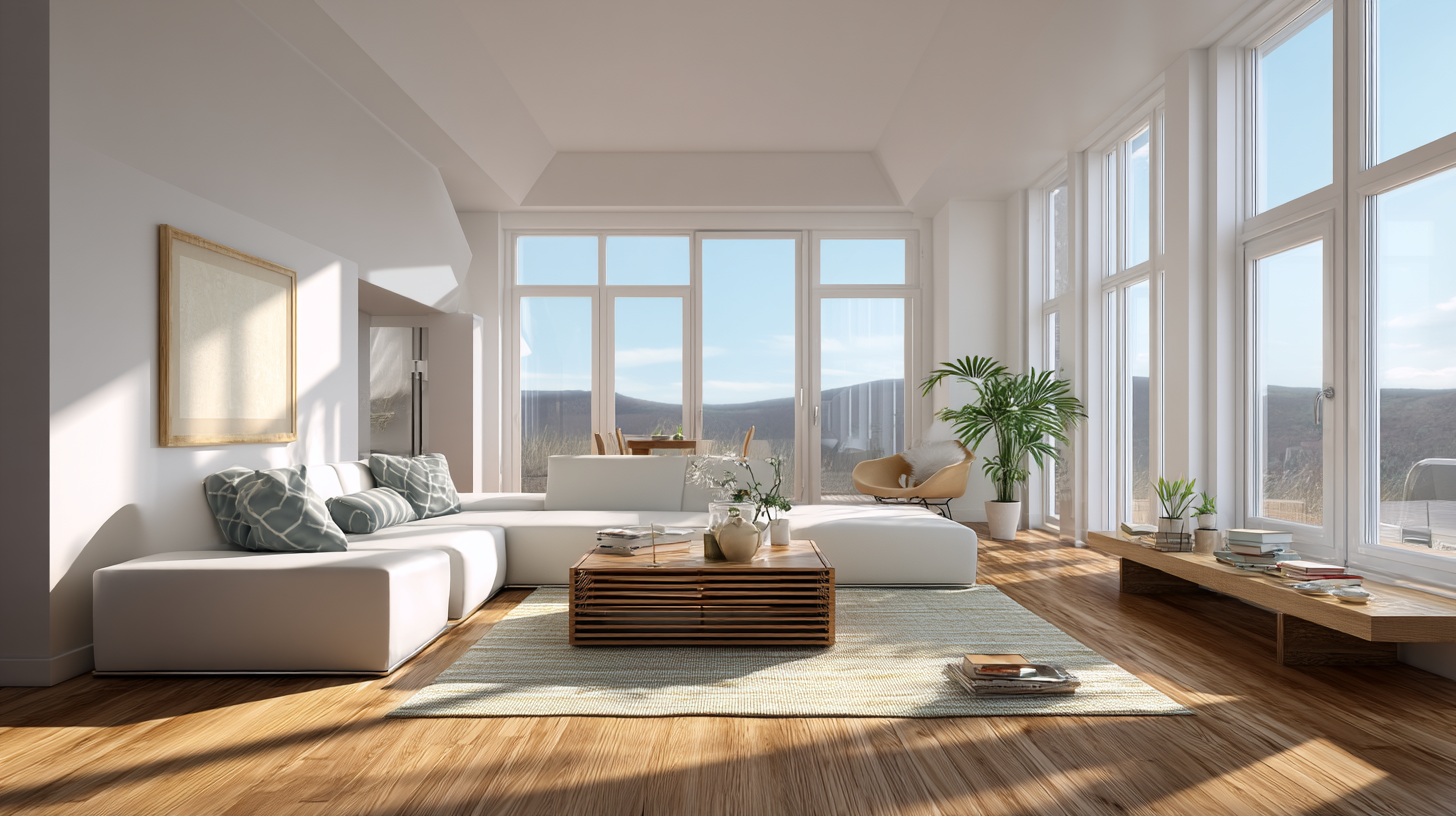
If you’re a homeowner in the Seattle, Bellevue or Kirkland region or surrounding areas your climate, home styles and flooring options may influence how and when you proceed. In the Pacific Northwest many homes have older wood floors, solid hardwood or engineered hardwood boards, and refinishing hardwood flooring offers a smart upgrade that preserves value, reduces waste, and limits disruption. A local professional flooring contractor familiar with the region can advise on moisture, humidity, board movement, wear patterns and help you choose the right finish for your living space.
FAQs About Hardwood Floor Refinishing
How many times can hardwood floors be refinished?
Solid hardwood boards often can be refinished multiple times, sometimes four to six times or more depending on original thickness, wear and previous sanding. Engineered hardwood floors may only be refinished once or possibly twice depending on the thickness of the hardwood veneer. Prior refinishing, condition of boards and wear layer all play a significant role.
Can I change the color of my hardwood floors when refinishing?
Yes you can. One of the great benefits of refinishing hardwood floors is the chance to apply a new wood stain, so you could lighten or darken the hue, or switch to a trendier tone while keeping your existing boards. The refinishing process gives you the flexibility to update the look of your hardwood flooring without replacing.
How long before I can walk on the floors again?
After the final coat of finish is applied you will usually need to allow at least 24 hours before light foot traffic and possibly 48 to 72 hours before returning furniture or area rugs, depending on the product used and manufacturer recommendations. The curing time ensures the finish fully bonds and offers the durable protection you expect.
Can engineered hardwood be refinished too?
Yes in many cases engineered hardwood floors can be refinished but only if the hardwood veneer (top layer) is thick enough, the boards are still sound, and the previous sanding has not removed too much of the wear layer. If the engineered boards have a very thin top layer, refinishing may not be safe and may lead to exposure of the core or damage.
Is it cheaper to refinish or replace hardwood floors?
Generally yes, refinishing hardwood floors is significantly less expensive than full replacement or new floor installation. Because you’re keeping the existing wood floor and boards and simply restoring their surface, you save on demolition, new materials and installation labor. When feasible, refinishing is a cost effective solution.
Final Thoughts – Is Refinishing Right for Your Floors?
If your floors are scratched, dull, or just worn down by time, refinishing hardwood flooring can restore their beauty and extend their life for a fraction of the cost of replacing them. That being said not every floor is a candidate. Solid hardwood with sufficient thickness in the wear layer, minimal structural damage, and only moderate wear is ideal for refinishing. If the boards are engineered hardwood with a thin veneer, or are heavily damaged, warped, water‑affected or previously refinished many times, the best course might be full replacement. A professional flooring contractor will evaluate your boards, assess whether the refinishing process is feasible, and advise on the best course for your home.
Restore the beauty of your hardwood floors without the cost of replacing them, breathe new life into your wood floors, protect your investment, and enjoy a refreshed living space.
Call to action: If you’re ready to explore refinishing hardwood floors or want an expert evaluation of your hardwood flooring we are here to help.