

What Homeowners Need to Know Before Buying
When it comes to choosing the right flooring, most homeowners focus on style, color, and overall design, but there’s a critical factor that often gets overlooked, and that’s flooring thickness. You might be wondering, why does flooring thickness matter? The answer touches every part of your flooring’s performance, from its durability and stability to how it feels underfoot. Whether you’re looking at luxury vinyl, engineered hardwood, laminate, or tile, understanding the importance of thickness can help you make a smarter, longer-lasting investment.
What Does Flooring Thickness Actually Mean?
Flooring thickness refers to the total depth of the plank or tile. It includes multiple layers like the core layer, wear layer, and in some cases, an attached underlayment. Different materials come with different standard thicknesses, and each one has unique implications for your floor’s durability and comfort. The thickness is usually measured in millimeters or inches, depending on the product type. For example, luxury vinyl flooring might range from 2mm to 8mm in overall thickness, while engineered hardwood might measure between 3/8 inch to 3/4 inch. Vinyl plank flooring, laminate, and luxury vinyl tile all offer varying thickness options that influence performance. Understanding wear layer thickness and core structure is essential to selecting the right vinyl flooring thickness for your space. The overall thickness and the wear layer work together to provide enhanced durability, sound absorption, and protection from wear and tear.
How Flooring Thickness Impacts Your Home
1 | Durability and Longevity
Thicker planks typically offer more protection against dents, scratches, and other types of damage caused by foot traffic. This is particularly important in high traffic areas like kitchens, entryways, and living rooms. In luxury vinyl plank or LVP flooring, a thicker core layer combined with a thicker wear layer results in better resistance to wear and tear. Thicker options usually have multiple layers that increase their strength and allow them to last longer under heavy foot traffic. In engineered hardwood, thicker boards provide more stability and allow for more refinishing over time. The added thickness contributes to overall durability, reducing the chances of premature floor replacement in high traffic areas. A thicker floor can better handle daily wear without showing signs of damage. It also tends to handle subfloor imperfections more gracefully. Luxury vinyl flooring, especially those with stone plastic composite or wood plastic composite cores, is known for its durability and ability to resist moisture, making it ideal for residential use.
2 | Underfoot Comfort and Sound Insulation
Thicker flooring materials offer more cushioning and comfort underfoot. This is especially noticeable in floating floor systems like LVP flooring and laminate, where thicker planks feel more stable and solid. A thicker plank also provides better sound absorption, reducing echo and noise in multi level homes. This is an important consideration for households with kids or pets. In high traffic areas like kitchens and hallways, a thicker LVP flooring setup with an attached underlayment can provide a quieter and more luxurious feel. This combination also helps minimize sound transmission between floors in multi level homes. Comfort underfoot becomes an essential element of overall satisfaction, especially in areas where you spend a lot of time standing or walking. Luxury vinyl flooring and luxury vinyl tile with more thickness contribute to a better walking experience and a more premium feel underfoot.
3 | Stability and Installation Quality
Thicker flooring contributes to greater stability and easier installation. Thicker planks generally come with stronger locking mechanisms and are less likely to flex or move after installation. This is particularly helpful when dealing with uneven subfloors or minor subfloor imperfections. In vinyl plank flooring and laminate, a thicker core layer helps resist bending and deflection, which can lead to gaps or noisy spots over time. A thicker LVP flooring product also adds structural strength, making it suitable for both low traffic areas and heavy foot traffic zones. Choosing thicker LVP flooring helps ensure that the floor feels solid and performs consistently throughout its life. A thicker core improves the floor’s ability to resist temperature changes, minimizing expansion and contraction issues. This is especially beneficial in climates with seasonal shifts.
4 | Refinishing and Long-Term Flexibility for Hardwood
For homeowners considering engineered hardwood, thickness has a direct impact on how many times the floor can be refinished. The wear layer thickness is the most important part here. Thicker wear layers, typically in the 4mm to 6mm range, allow for multiple refinishing cycles. That means your floor can be sanded down and restored to look like new several times, extending its lifespan and preserving its aesthetic appeal. This makes thicker engineered hardwood a great option for long-term value. The top layer, made from natural wood, provides the look of real wood while benefiting from the engineered stability of multiple layers below. A thicker wear layer also offers more protection from daily scratches, dents, and wear, which is a key factor in high traffic areas. Choosing a thicker engineered hardwood is ideal for homeowners who plan to stay in their home long term and want their floor to age gracefully.
Choosing the Right Thickness by Flooring Type
Vinyl Plank Flooring
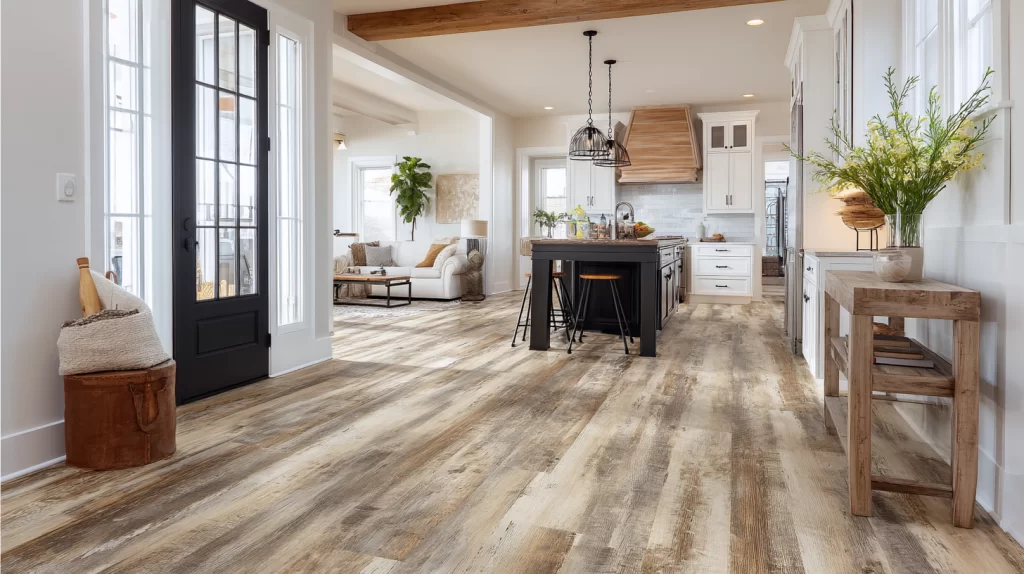
Vinyl plank flooring comes in various thicknesses, and choosing the right vinyl flooring thickness can significantly affect performance. Entry-level options around 2mm to 4mm may be fine for low traffic areas, but they might not hold up well in high traffic areas. Thicker vinyl plank options, typically 5mm to 8mm, offer better comfort, sound insulation, and durability. A thicker wear layer, usually 12 mil to 20 mil, adds another level of protection, making these products more suitable for heavy foot traffic. Luxury vinyl plank flooring with a thicker core and wear layer is ideal for residential use. Thicker vinyl plank is less likely to telegraph subfloor imperfections and offers more cushioning underfoot. Luxury vinyl products are available in both wood plastic composite and stone plastic composite formats, each offering its own benefits in terms of moisture resistance and stability. When selecting LVP flooring, consider both the overall thickness and the wear layer thickness to ensure long-term performance.
Laminate Flooring
Laminate flooring is another popular choice due to its affordability and realistic look. The thicknesses typically range from 7mm to 12mm. Thinner laminate might work in low traffic areas, but for high traffic areas or multi level homes, thicker options are recommended. A 10mm or 12mm thick laminate floor feels more solid underfoot and provides better sound absorption. Thicker planks also offer a better locking system and are easier to install, especially over minor subfloor imperfections. A thicker laminate plank adds to the luxurious feel and reduces the hollow sound that sometimes comes with thinner floors. Choosing a good balance between thickness and cost ensures that the laminate flooring performs well and lasts longer, even in busy areas.
Engineered Hardwood
Engineered hardwood is a top choice for those who want the beauty of natural wood with added stability. The thickness of engineered wood includes both the overall board and the wear layer. The best thickness for long-term use usually ranges from 1/2 inch to 3/4 inch with a wear layer thickness of 3mm to 6mm. A thicker wear layer allows for more refinishing, giving the floor a longer usable life. Multiple layers in engineered hardwood help resist warping and provide consistent performance across a range of conditions. The combination of a solid top layer and a stable core makes engineered hardwood an excellent choice for living rooms, bedrooms, and even kitchens when properly sealed. Thicker wear layers offer better protection against scratches and stains and help maintain the floor’s aesthetic appeal over time.
Tile
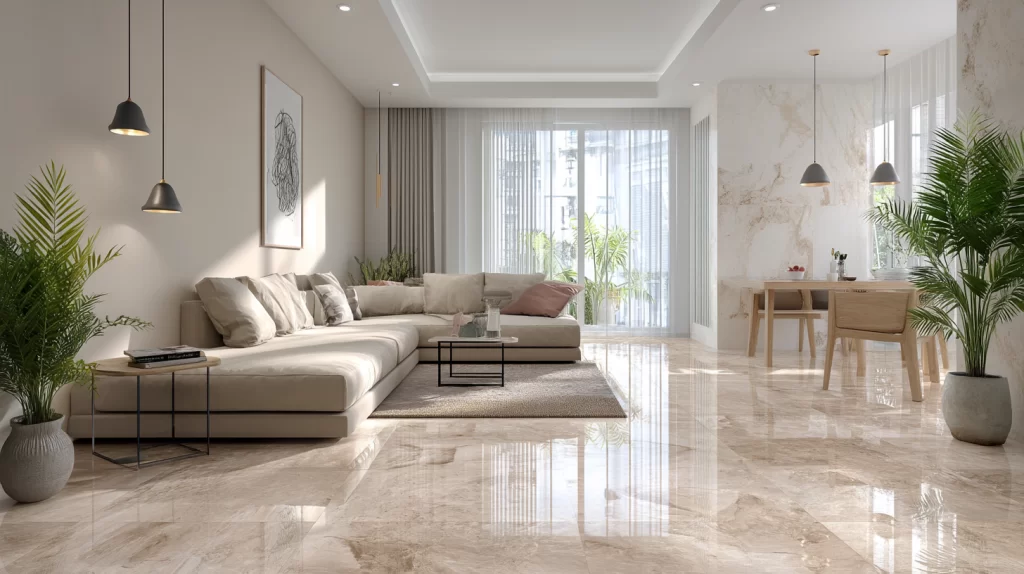
Tile flooring offers excellent durability, and its thickness can impact installation and performance. Standard ceramic or porcelain tiles typically range from 8mm to 12mm thick. Thicker tile options offer more impact resistance, which is especially useful in kitchens and entryways. However, thicker tiles may require adjustments to door heights and transitions between rooms. A properly prepared subfloor is crucial for tile installation, and thicker tiles can better compensate for minor imperfections. When choosing tile, consider the space and the amount of foot traffic it will endure. Thicker options are often better for high traffic areas and offer increased durability with a longer lifespan.
Other Factors That Matter Besides Thickness
Subfloor Quality
Even the best thickness can’t compensate for a poor subfloor. A flat, level, and clean subfloor is critical to achieving a successful installation. Thicker flooring can help cover small imperfections, but significant subfloor problems need to be addressed before installation. Ignoring subfloor issues can lead to movement, squeaking, or premature wear, regardless of how thick the flooring is.
Installation Method
The method used to install your flooring also affects performance. Floating floors benefit from thicker planks, which add stability and help with locking system integrity. Glue-down installations may not need as much thickness, but a thicker core can still provide additional comfort and performance. The type of floor, its thickness, and the chosen installation method should all work together to provide the best results.
Room-Specific Needs
Not every room requires the same thickness. Bedrooms and guest rooms are low traffic areas where thinner products may be fine. On the other hand, kitchens, hallways, and entryways are high traffic areas that demand thicker, more durable flooring. Consider moisture levels, foot traffic, and the intended use of each room when choosing the right thickness. In multi level homes, noise reduction may also be a concern, making thicker flooring with better sound absorption a smart choice.
Common Misconceptions About Flooring Thickness
Many homeowners believe that thicker is always better, but that’s not necessarily the case. The best thickness depends on the space, traffic level, subfloor conditions, and budget. A thicker floor in a low traffic area might not offer much benefit, while a thinner product in a high traffic area may wear out quickly. Another misconception is that wear layer and overall thickness are the same. In reality, the wear layer is just one part of the total construction, and both should be considered separately. Finally, transitions between rooms and door heights must be considered when installing thicker flooring. Failing to account for height differences can create awkward transitions or require additional adjustments during installation.
How Best Floor Coverings Helps You Choose the Right Floor Thickness
At Best Floor Coverings, we specialize in helping homeowners choose the right thickness for their specific space. We bring a wide selection of samples directly to your home, evaluate your subfloor, and recommend the ideal product for your lifestyle. Whether you need luxury vinyl flooring for a high traffic area or engineered hardwood for a quiet bedroom, we provide expert guidance to ensure you get the best result. Our team considers foot traffic, moisture levels, and room function to help you choose the right thickness and material combination.
FAQs About Flooring Thickness
What’s a good thickness for LVP flooring in high traffic areas?
For high traffic areas, LVP flooring with an overall thickness of 6mm to 8mm and a wear layer of 20 mil is recommended for optimal durability.
How thick should engineered wood be to allow refinishing?
A wear layer thickness of at least 4mm allows for multiple refinishing cycles, extending the floor’s lifespan.
Does thicker laminate mean better quality?
Yes, thicker laminate, typically 10mm to 12mm, offers better sound insulation, comfort underfoot, and durability.
Can thicker floors cause problems with doors or transitions?
Yes, installing thicker flooring without accounting for door clearance or transition heights can create issues that require additional modifications.
Should I prioritize thickness or wear layer when choosing vinyl?
Both are important, but if you must choose, prioritize a thicker wear layer for better protection and longevity.
Final Thoughts: Thickness is Just One Part of a Perfect Floor
Flooring thickness plays a major role in comfort, durability, and overall performance, but it’s not the only consideration. By combining the right thickness with a high-quality product, proper installation, and attention to subfloor conditions, you’ll create a floor that looks great and performs beautifully for years. Whether you’re selecting luxury vinyl tile, laminate, or engineered hardwood, understanding the impact of thickness helps you make the best choice for your home.