



When you’re choosing flooring for your home, one of the biggest questions is, how long do hardwood floors last? Whether you’re installing new hardwood floors or refinishing an older one, understanding average lifespan, maintenance requirements, and what drives wear and tear lets you make a smart investment. At our family‑owned company, we believe that quality flooring materials paired with expert installation services and proper care give you long term value. This post covers how long do hardwood floors last, what influences lifespan of hardwood, and how you can ensure your floors look great for decades.
The Average Lifespan of Hardwood Flooring
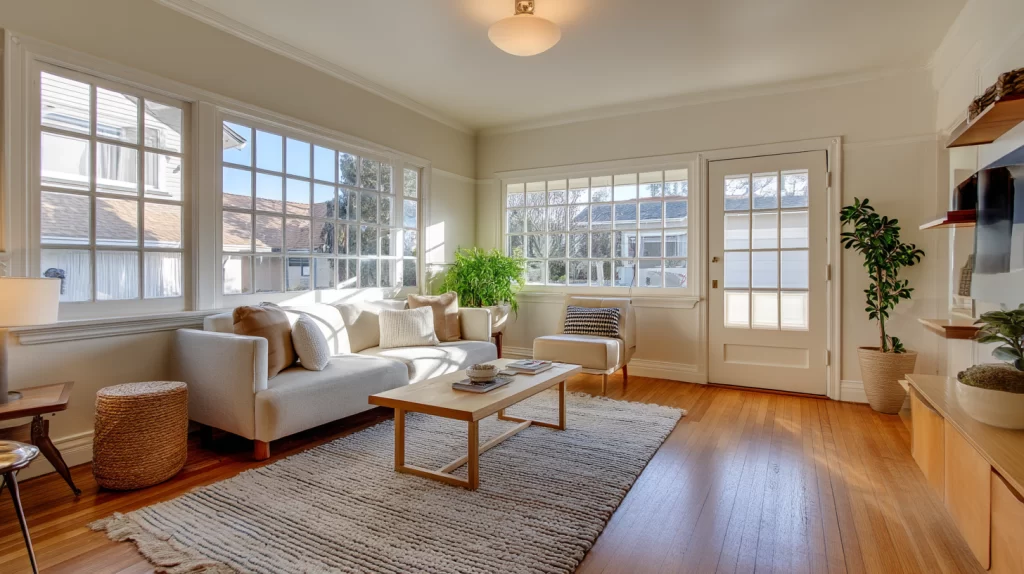
Solid Hardwood Floors: 50 to 100+ Years of Beauty
When homeowners ask how long do hardwood floors last, solid hardwood floors often top the list for longevity. With proper care and refinishing process performed when needed, solid hardwood can deliver a long lifespan. Many experienced flooring professionals report that solid hardwood flooring, in ideal conditions, can last 80 to 100 years or more. One data source states hardwood flooring can serve a home for 100 years or more when properly installed and maintained. Another review of wood floors suggests 50 to 100 years is realistic for solid hardwood under good care.
The reason solid hardwood performs so well is that each board is a full piece of wood. That means when the finish wears, you can renew the surface again and again through sanding and refinishing. In living rooms, high traffic areas or rooms with heavy foot traffic, solid hardwood still holds up well when the right wood species and protective coating are used.
Engineered Hardwood Flooring: What to Expect
Engineered hardwood is increasingly popular because it offers many of the benefits of real wood in environments where solid might struggle. But when you ask how long do hardwood floors last if they’re engineered hardwood, you’ll find a shorter lifespan compared to solid. Engineered hardwood flooring can last anywhere from 20 to 50 years depending on the quality of the wear layer, installation quality, and proper maintenance. One source states engineered hardwood can last at least 20 – 30 years.
Another indicates it may last 30 – 80 years where high quality engineered wood with thick veneer is used. Because the top wood layer is thinner, the refinishing process is more limited. That means engineered hardwood may reach a point where replacement is necessary rather than refinishing. So if you’re weighing flooring materials, both solid hardwood and engineered hardwood are valid options, but the expected lifespan of hardwood floors differs significantly between these two.
Putting It in Perspective
If you install solid hardwood now and maintain it well, your floors may last the life of your home. On the other hand, if you choose engineered hardwood, you still get excellent value and performance, but you might plan for replacement or limited refinishing further down the road. In both cases, the big question remains: how long do hardwood floors last in your home? The answer depends on a host of factors that we’ll explore next.
What Affects the Lifespan of Hardwood Floors?
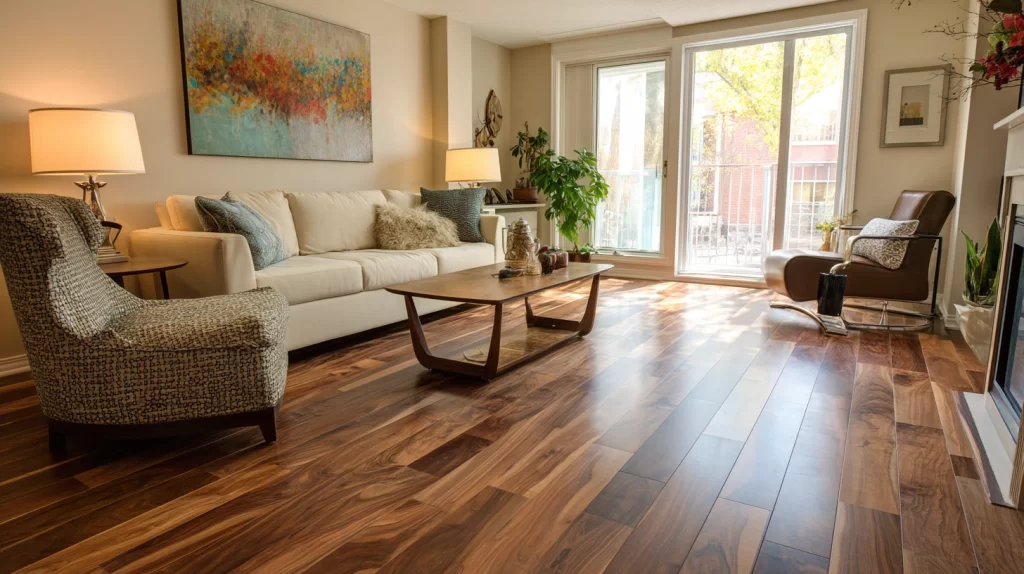
Wood Species & Wood Type
One of the biggest key factors when asking how long do hardwood floors last is the wood species and wood type you choose. Harder species resist dents and deep scratches better, which means less wear over time. Oak, maple, hickory are commonly noted for durability. Pine, while beautiful and popular choice, tends to be softer and may show more wear under heavy foot traffic. A blog on wood floors notes that hardwoods like oak and maple are typically more resilient than softwoods like pine. When selecting flooring, choosing a species with a strong durability rating gives you better odds of long lifespan.
The Power of the Finish and Protective Coating
Even the best wood will wear out faster if the finish is weak or poorly applied. A strong protective coating is essential to shield the wood from dirt, dust, grit, and wear. Regular cleaning removes abrasive particles. Routine cleaning, along with protecting the surface, helps the floor hold up under high traffic areas and heavy foot traffic. One article states that the finish on a hardwood floor typically lasts about 7‑10 years before significant refresh is needed in high use zones. Using an oil‑based or water‑based finishes, or UV cured systems, improves durability. Also, refinishing when the coating is worn makes a big difference.
Refinishing Process: Your Secret Weapon for Longevity
One of the greatest advantages of solid hardwood is that you can sand and refinish it multiple times. That dramatically extends the lifespan of hardwood floors. For engineered hardwood, the refinishing process is more limited because of the thinner wood layer. According to one lifespan guide, solid hardwood can be refinished 5‑7 times over its lifespan, while engineered hardwood’s refinishing depends on wear layer thickness. The key takeaway: the more you can refinish, the longer your floor lasts. So when evaluating how long hardwood floors last, consider whether refinishing is feasible.
Installation Quality and Subfloor Preparation
How long do hardwood floors last is significantly influenced by installation quality. Poor installation, inadequate subfloor leveling, improper acclimation of wood, and ignoring moisture barriers can all shorten the lifespan of hardwood flooring. Installation quality plays a significant role in longevity. One article states that when solid hardwood flooring is professionally installed using proper subfloor preparation and moisture barriers, the floor can last 50+ years. Making sure your installer is experienced and follows best practices helps avoid problems like warping, gaps, cupping and other damage that reduce lifespan.
Environmental Conditions and Moisture Exposure
Environmental conditions such as humidity, moisture exposure, and sunlight exposure also influence how long hardwood floors last. If wood is exposed to excessive moisture or wide fluctuations in humidity, it can warp, gap or cup. One source notes high humidity can cause wood to expand and low humidity shrink, both of which stress the wood and shorten its lifespan. For solid hardwood, which is more sensitive, controlling indoor humidity matters. Engineered hardwood typically handles moisture fluctuations better, but that doesn’t mean it’s immune.
Lifestyle, Foot Traffic and Daily Wear & Tear
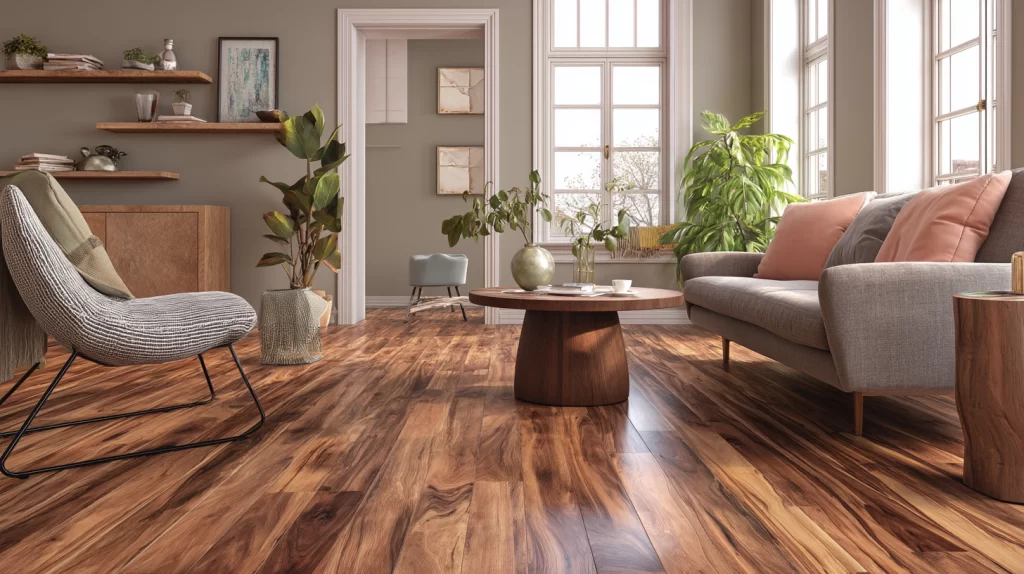
Homes with heavy foot traffic, kids, pets, and active living will place more wear on their floors. So when you ask how long do hardwood floors last in a busy home, expect more frequent maintenance. High traffic areas and heavy foot traffic mean more scratches, dents and wear. One source states that more foot traffic means a shorter lifespan. If your space has active living in living rooms, entryways, and other high‑use zones, selecting a harder wood species, using area rugs and furniture pads can mitigate wear and tear.
Cleaning, Maintenance and Proper Care
Regular cleaning and maintenance are critical. Dirt and grit act like sandpaper on your floor’s protective coating and wood surface. Routine cleaning prevents this abrasive damage. A well‑maintained floor lasts longer. Articles consistently highlight the importance of sweeping or vacuuming, avoiding harsh chemicals, immediately wiping up spills and performing professional maintenance when needed. When your cleaning routine is consistent and your furniture pads are in place, your floors will wear more slowly and the lifespan improves.
Sunlight Exposure and Other Damage
Sunlight exposure can cause fading and uneven discoloration. Deep scratches, dents, and water damage are additional threats. One article about how to protect floors from sun damage states that sunlight exposure matters and that protective measures help maintain color and quality. Furniture pads under legs prevent dents and heavy pads help avoid deep damage. Area rugs in living rooms and entryways protect from heavy foot traffic. These prevent more wear and thus improve longevity.
Solid vs. Engineered: Which One Lasts Longer for Your Home?
Let’s put it all together with a comparison of solid hardwood vs engineered hardwood flooring when it comes to lifespan and practical use for homeowners.
| Feature | Solid Hardwood | Engineered Hardwood |
|---|---|---|
| Typical lifespan of hardwood floors | 50‑100+ years (with proper care) | 20‑50 years (depending on wear layer & quality) |
| Refinishing potential | 5‑7 times or more | Limited – depends on veneer thickness |
| Moisture & environmental resilience | More sensitive to humidity & moisture exposure | More stable in variable humidity environments |
| Best use case | Main floors in living rooms, bedrooms, hallways in stable homes | Basements, moisture-prone areas, homes needing more moisture resistance |
| Cost per year advantage | Higher upfront cost, lower long‑term replacement cost | Moderate cost, but may require replacement sooner or limited refinishing |
From this, you can see: if your goal is “how long do hardwood floors last” in your home, and you’re planning to stay many decades, solid hardwood gives you the longest lifespan and best long‑term value. If your home has moisture concerns or you’re installing in a basement or near exterior access, engineered hardwood might be smarter and still delivers strong lifespan but with more limited expectations.
How to Make Your Hardwood Floors Last a Lifetime
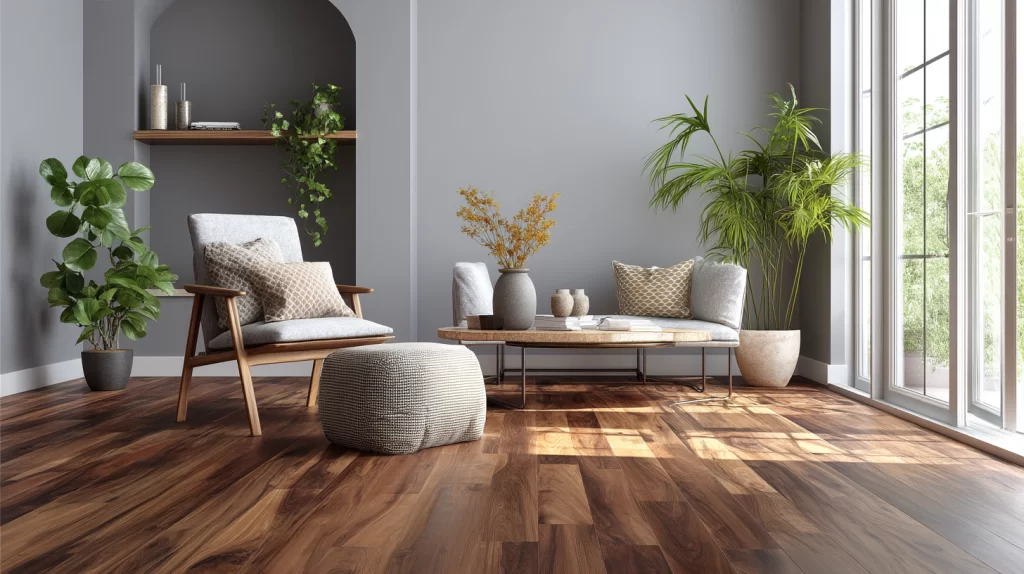
Set It Up Right From the Start
Making sure your flooring installation is expert from the beginning is a major step to longevity. Choose a trusted installation crew who understand subfloor leveling, moisture control, proper acclimation of wood, and installation quality. This sets the baseline for how long hardwood floors last in your home. Pay attention to wood species, finish system, and choose premium boards if your budget allows.
Establish a Maintenance Routine
To maximize lifespan of hardwood flooring you should create a regular maintenance schedule: daily or weekly: sweep or vacuum to remove dirt, grit and dust. Monthly or quarterly: check for scratches, dents, wear in high traffic areas. Yearly: consider screening or recoat of protective coating. Every 7‑10 years in busy homes: full refinishing for solid hardwood, or consult for repair/replacement for engineered. Use furniture pads under heavy furniture, place area rugs in high foot traffic zones and protect from sun exposure with curtains or UV film. Handle spills promptly to avoid water damage and moisture exposure.
Lifespan Boosters for High Traffic Areas
If your home has living rooms, hallways, entryways where high traffic areas get more wear, take extra precautions. Use area rugs or runners, strategically place furniture pads, choose harder wood species (like oak or maple) and opt for finishes designed for wear. These steps reduce wear and scratches and help your floors last.
Partner with Experts and Plan for the Future
Even after installation, plan for periodic service from professionals. When you see deep scratches, dents, stains, or warping you should call for evaluation. Addressing damage early makes a difference to how long hardwood floors last. Having access to expert installation services over the life of your home means you’re not just installing a floor, you’re investing in durability.
FAQs: Hardwood Flooring Lifespan
Can hardwood floors really last 100 years?
Yes. When properly maintained, solid hardwood floors installed with expert installation services, the right wood species, and proper care, can last for a century or longer. Many historic homes still feature original hardwood floors after decades of use.
How do I know when it’s time to refinish my hardwood floor?
If you’re seeing dullness, visible scratches, deep dents, an uneven surface, or finish that no longer beads water, it’s likely time to refinish. Ignoring these issues reduces lifespan of hardwood floors.
Do engineered hardwood floors last as long as solid hardwood?
Typically no, though high quality engineered hardwood lasts significantly. Because engineered has a thinner wood layer and limited refinishing, its lifespan tends to be shorter than solid hardwood. You might expect 20‑50 years for engineered hardwood compared to 50‑100+ years for solid hardwood.
What shortens the lifespan of hardwood flooring?
Major factors include moisture exposure, installation issues, heavy foot traffic without protection, neglect of routine cleaning and maintenance, deep scratches or dents that break the protective coating, and improper species or finish selection. Each of these reduces how long hardwood floors last.
Is hardwood flooring worth the investment compared to other flooring materials?
Yes. While initial cost may be higher than carpet, vinyl flooring, laminate or other flooring materials, the long lifespan of hardwood flooring means lower cost per year over decades. It also adds resale value, greater durability and timeless appeal. When asking how long do hardwood floors last, remember that good investment means long life.
Final Thoughts: Is Hardwood Flooring a Lifetime Investment?
When you step back and look at the big picture, the question “how long do hardwood floors last” becomes clear: with the right materials, installation quality, finishing system, and maintenance, hardwood floors offer a long lifespan and tremendous long term value. For solid hardwood floors, especially, you’re investing in floors that can carry your home through generations rather than needing replacement every decade.
Engineered hardwood gives you great performance and may be more practical in certain spaces, but the expected life is somewhat shorter. Homeowners who factor in wood species, installation quality, protective coating, daily care and environmental conditions will get the most out of their flooring. If you set up your floors correctly, stay consistent with maintenance, and partner with expert installation services, you can enjoy beautiful hardwood flooring for decades and pass that investment on. Choosing hardwood flooring is more than style choice, it’s a legacy choice.