



Many homeowners wake up to annoying squeaks underfoot, especially over a carpeted floor. If your floors squeak during daily use, you’re not alone. In this guide, we’ll show you how to fix squeaky floors under carpet with a mix of do‑it‑yourself tips, professional techniques, and long‑term prevention strategies. Our aim is to help you repair squeaky floors without tearing out your entire flooring system.
What Makes a Squeaky Floor Under Carpet
To solve the problem you need to know what causes it. When floors squeak under carpet, the culprit is almost always motion between floorboards, subfloor, and floor joists. Over time loose subflooring or loose floorboards can let adjacent wood rub or shift, producing a squeaky noise.
Here are the key factors:
- Loose subfloor to joist connections let the subfloor shift slightly when walked on.
- Gaps from seasonal wood movement: Wood shrinks or swells with humidity, creating micro gaps between boards or at joints.
- Poor original fastening: If too few nails or screws were used originally, the structure may already be loose.
- Friction between boards or panels: When floorboards or subfloor seams rub under load.
- Structural joist problems: In rare cases, sagging or warped joists contribute to squeaks.
- Damage from moisture or water damage: Can weaken fasteners and degrade wood.
In a hardwood floors install or general flooring system, even carpeted surfaces can transmit the squeaks from deeper underneath. Identifying and fixing the underlying issue of motion is central to eliminating squeaks.
Locating the Squeaky Spot Without Pulling Up Carpet
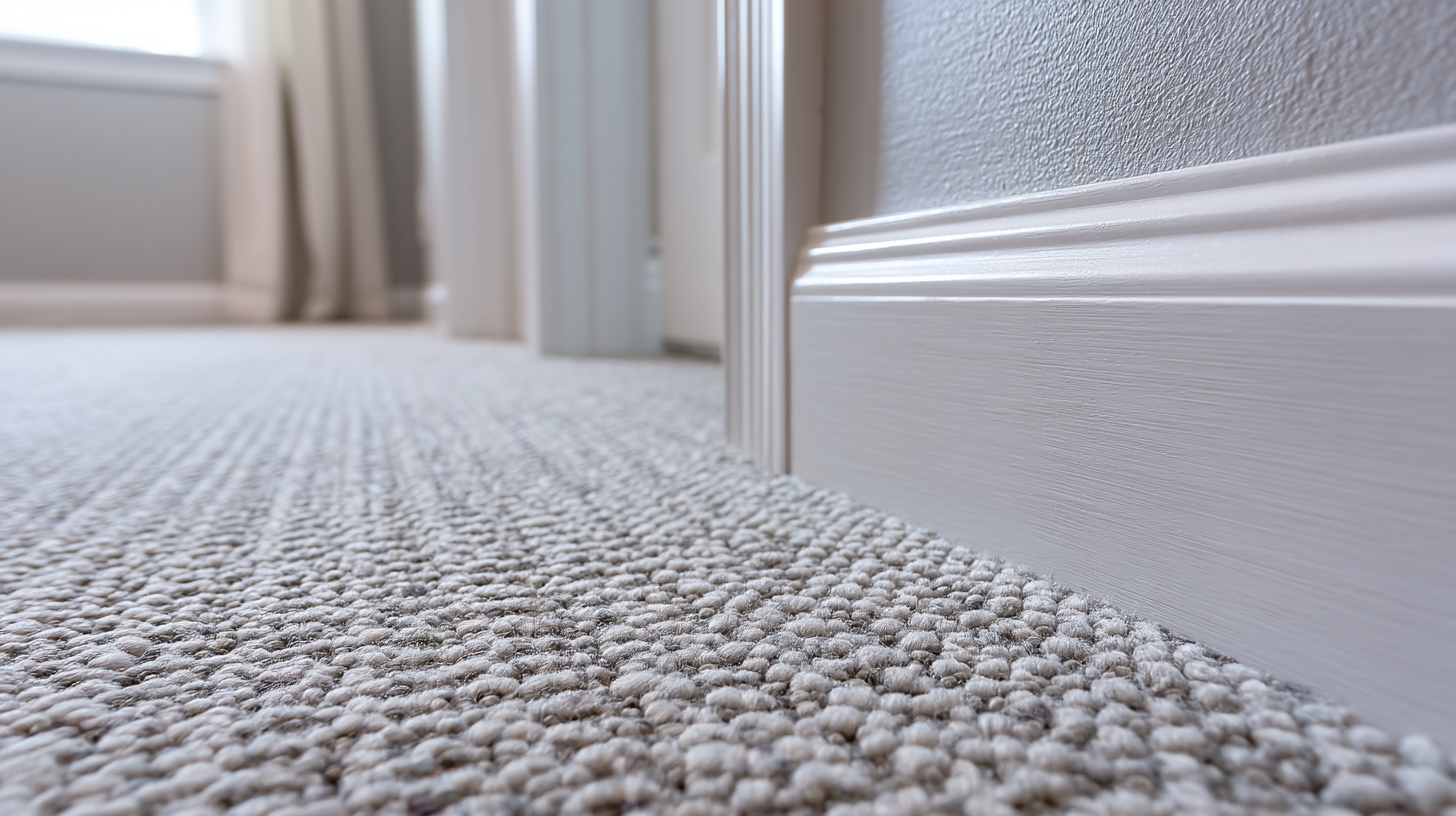
Because the carpet hides most of what’s going on underneath, the first challenge is finding the exact location of the squeak. This helps you apply repair techniques precisely.
Step-by‑step method:
- Walk back and forth slowly across the room while you listen for squeaks. Mark each squeaky area with painter’s tape or chalk.
- Use your knees to feel small shifts in the floor. Press gently, if there’s a little give underfoot, that’s a clue.
- Lay a strip of cardboard (or another stiff material) directly over the suspected path and walk over it, to help localize movement.
- Use a stud finder or joist locator to map joist lines beneath the carpet.
- Vacuum the carpet thoroughly with a vacuum cleaner to remove dust and debris, that may help reduce noise and improve your hearing accuracy.
Once you’ve pinpointed the squeaky area, you can choose the least invasive method to address it.
Quick, Low‑Impact Fixes for Carpeted Floors
These are tricks you can try first before committing to more invasive repair.
Powdered Lubricants (Talcum Powder, Powdered Graphite)
To reduce friction where wood rubs against wood, you can use a dry lubricant like talcum powder or powdered graphite. This method is often considered a temporary fix, but it can help quiet minor squeaks.
How to apply:
- Insert a thin tube or funnel under the carpet near the seam over the squeaky path.
- Deposit a small amount of powder, just enough to reach the joint or edge.
- Press a towel over it and walk over the spot multiple times.
- Wipe away excess powder carefully so it doesn’t stain or transfer.
This can sometimes eliminate squeaks temporarily, though it won’t repair any structural looseness.
Felt or Cardboard Shims

In some cases, sliding a thin wood shim or piece of cardboard beneath the carpet pad in the squeaky area can give extra support. Use a very thin piece so you don’t create a bump. This is a very mild, short‑term solution.
These quick tricks won’t fix deeper issues, but they can relieve squeaks while you plan a more permanent approach.
Repairing Squeaky Floors Through Carpet Without Removing It
If you’ve located the problem area but want to avoid pulling up carpet, there are techniques to repair squeaky floors through the carpeted surface.
Use Breakaway Screws or a Repair Kit
One of the most effective methods is to use a repair kit (for example, breakaway screws) that allow you to fasten through the carpet into the subfloor and into the joists.
Steps:
- Use your joist lines map to aim for where one screw will reach the floor joists.
- Position a depth control fixture or guide over the carpet (some kits include this).
- Use a driver bit and insert screws through the carpet, pad, subfloor, into joist. The screw head is designed to break off at the surface, leaving the threaded portion to securely fasten the layers below.
- Use few screws spaced about 6 to 8 inches apart along the joist line in the squeaky zone.
- Walk over the area after installation to confirm the squeaks are gone.
Notes and cautions:
- Choose screw length appropriate to penetrate the pad, subfloor, and into the joist without hitting wires or plumbing.
- Be careful not to overdrive or angle the screws.
- Use the depth control fixture to avoid creating new damage.
This method can be remarkably effective with minimal disturbance to your carpet.
Fixes from Below: Crawl Space or Basement Access

If your home has a crawl space or basement for access under the floor, you can work from beneath to correct the issue more thoroughly.
Shimming Between Subfloor and Joist
If you can see a gap between the subfloor and a joist, insert a thin wood shim filled with construction adhesive or wood filler to fill the space and prevent movement.
Steps:
- Clean the surfaces to remove dust.
- Put a bead of adhesive along the joist face.
- Tap in the shim gently until the subfloor is snug (but not bowed).
- Let the adhesive cure before putting load back on it.
Add Adhesive and Fasteners from Below
You can also apply construction adhesive or wood filler between the subfloor and joist surfaces to bond them permanently. Use screws from below to further clamp the pieces as the adhesive cures.
Sistering or Bracing Joists
If the joists themselves are weak, warped, or damaged, you can sister a new joist beside the existing one or add cross‑bracing to minimize flex. This reinforces the structure and prevents future movement.
These below‑floor methods often deliver more durable results, but require access and more labor.
When You Need to Pull Carpet and Do Full Repairs

Sometimes none of the above is enough. You may need to pull up carpet, inspect the subfloor, repair or replace damaged sections, then reinstall.
You might choose this when:
- The loose subflooring is extreme or delaminated.
- There is visible damage to floor boards or layers.
- You discover mold, rot, or severe sagging.
- The carpet padding is too compressed or incompatible with repairs.
During a full repair, professionals often:
- Replace or reinforce subfloor panels.
- Refasten subfloor to joists with screws, adhesives, or nails.
- Use wood filler to fill any holes or gaps.
- Reinstall carpet using new or re-stretched method to avoid residual slack.
At times, you’ll recognize that DIY home repairs are not enough, and you’ll want professional help from a general contractor or flooring specialist.
Long‑Term Prevention & Maintenance
Once you’ve tackled the squeaks, you still need strategies to prevent them from coming back.
Maintain Consistent Indoor Humidity Levels
Wood expands and contracts based on moisture. Keeping consistent indoor humidity levels reduces seasonal movement that promotes squeaks.
Use Quality Underlayment & Proper Fastening
When installing any wood floors or hardwood floors, using a solid underlayment and proper fastening helps resist future looseness.
Routine Inspections
Every few years, check high traffic areas for early signs of squeaks or looseness. Acting early is cheaper than major repairs later.
Hire Expert Installation When Needed
If you’re remodeling or upgrading flooring, always use certified installers who know how to prevent squeaks from the start.
Frequently Asked Questions
Can I fix a squeaky floor without removing carpet?
Yes. Using methods like breakaway screws or powdered lubricants allows you to repair squeaky floors through the carpet without removing it.
Will fixing squeaks damage my carpet?
When done carefully with the right tools and depth guides, you can avoid visible damage. The screw head typically breaks off below the carpet surface.
How do I find the joist under the carpet?
You can use a joist locator, a stud finder, or map joist lines based on wall layout and spacing. Walking and marking squeaky spots also helps.
Are squeaky floors a sign of structural issues?
Not always. Most squeaks stem from loose floorboards or fastening issues. But widespread or worsening squeaks may suggest deeper joist or subfloor problems.
When should I call a flooring professional?
If squeaks persist after DIY methods, or if you notice visible damage, sagging, or moisture issues, it’s wise to bring in professional services.
Why It Makes Sense to Hire Best Floor Coverings
If you’ve tried quick fixes but floors still squeak, or if you want a permanent, high‑quality restoration, we’re here to help. At Best Floor Coverings, we offer:
- Subfloor repair and leveling
- Carpet removal and reinstallation
- Hardwood, laminate, luxury vinyl, and tile installation
- Crawl space support and structural repairs
- Shop‑at‑home consultations and expert guidance
Say goodbye to annoying squeaks for good. Contact us today for a free estimate and let our certified installers eliminate squeaky floorboards once and for all.