


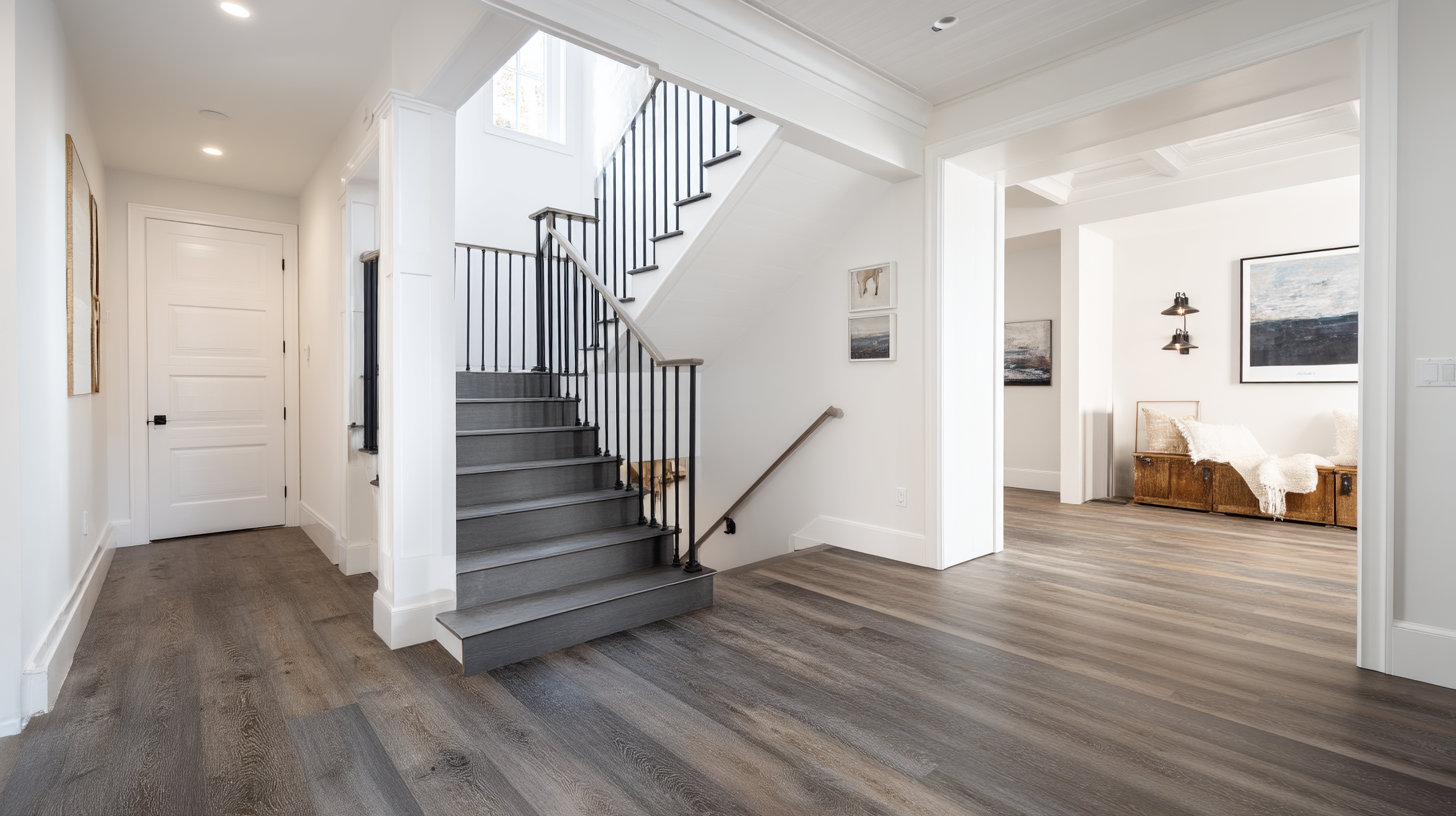
Laminate flooring is one of the best choices if you want the look of wood without the cost and high maintenance that comes with engineered hardwood or solid wood floors, but knowing how to clean laminate floors properly is essential to keep them looking shiny and new, protect their top layer, and avoid damage.
At Best Floor Coverings we believe cleaning laminate is not complicated, but doing it wrong can ruin the beauty of your home, cause stains, dull the finish, or create scratches, so this guide will walk you through every step you need to clean, maintain, protect and enjoy your laminate flooring for years.
What Makes Laminate Unique Compared to Engineered Hardwood and Wood Floors
Laminate is constructed in layers, with a wear layer, a photographic layer that imitates wood grain, a core made from fiberboard or composite materials, and a backing. Because of this setup laminate is more water resistant than wood floors, but it is not waterproof, so standing water, excess moisture, or harsh cleaners can cause swelling, warping, or damage that cannot be repaired, unlike engineered hardwood which can often be refinished or sanded lightly.
Understanding this difference is the first step in learning how to clean laminate flooring correctly, and why many of the cleaning products or methods used for wood or engineered hardwood are not safe here. Avoid using wood oil soap or wax meant for hardwood, because they often leave residue, dull the finish, or interfere with the protective coating on laminate.
Weekly Cleaning Routine: Keeping Dirt, Dust, Debris at Bay
Sweep or Vacuum Regularly
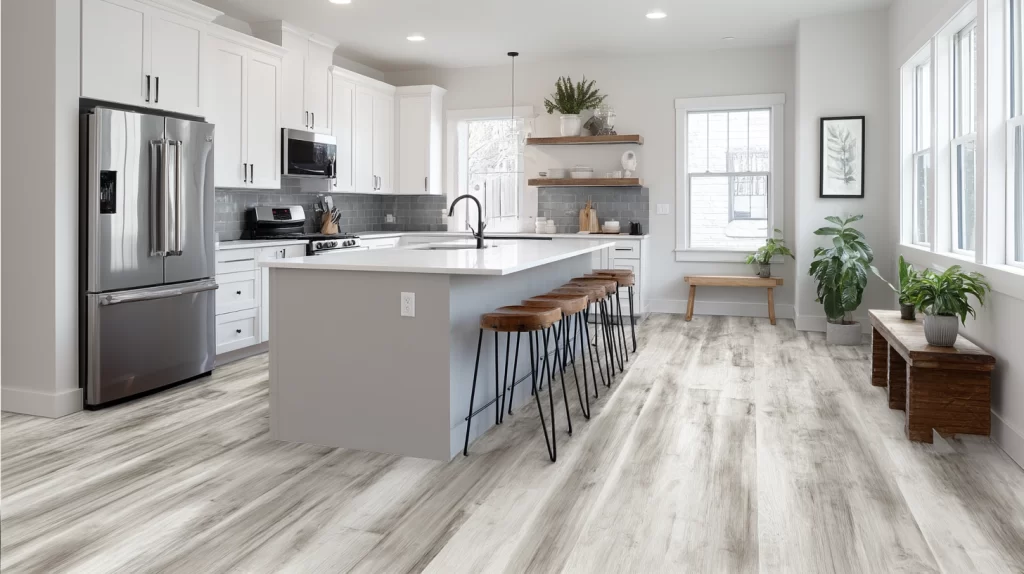
Start each day or every few days by sweeping your laminate floors with a soft‑bristle broom or using a vacuum set for hard floors. Use the soft brush attachment if available, and make sure the vacuum’s beater bar is turned off to avoid scratch damage. Dirt, grit, sand, or debris act like sandpaper on laminate once you mop, so removing them first is essential.
Vacuuming is good, sweeping is good, dust is removed, debris is lifted away, all to avoid scratches that may dull or damage the top layer.
Mop the Floor the Right Way
When you mop laminate flooring, use a clean microfiber mop, wring it out until it is damp but not wet, then mop in the direction of the planks. A wet mop or soaking can allow water to seep between joints or seams, causing swelling or damage. Use cleaning products that are formulated for laminate floors or mild dish soap diluted in water, avoiding oil‑based or highly alkaline cleaners that leave residue or film.
If you have a spray bottle set up with cleaner diluted or in a ready mix, that is helpful. Spray lightly or mist a small area, mop it, rinse out or wring out your mop often. After you are done, dry the floor quickly with a microfiber cloth or dry mop head to remove excess water.
Deep Cleaning Every Few Months: Remove Buildup, Handle Tough Stains

Doing a more thorough deep clean once every two or three months helps remove buildup of dirt and cleaning product residue, keeps the floor looking shiny, and ensures small stains or marks do not become permanent.
Here is a step by step deep clean process:
- Remove all loose dirt and debris by sweeping or vacuuming. Dust, pet hair, grit, dried mud all must go before any wet cleaning.
- Choose a laminate‑safe cleaning product, or create your own solution, for example a teaspoon of clear dish soap in a gallon of warm water, or a small amount of mild cleaner specifically labeled for laminate. Avoid cleaners made for engineered hardwood or wood floors that contain wood oil soap, wax, polish, or strong alkaline ingredients.
- Fill a bucket or use a spray bottle, wring out mop until nearly dry, then wet mop the floor in sections, always moving out of the room. Do not leave standing water. Rinse or change mop pad when it gets dirty to avoid spreading residue.
- Once mopped, immediately dry the surface with a dry microfiber cloth or mop. Remove any damp spots.
- Spot treat stains now if any remain. Use plastic scraper or something gentle to remove wax, gum or dried material. For ink, nail polish, or color stains, a dab of rubbing alcohol or acetone on a cloth may help, followed by cleaning with your damp cloth. Always test in a small inconspicuous area first.
Tools to Use and Tools to Avoid
Knowing which tools to use and which to avoid is key to clean laminate without causing damage.
Tools to Use
- Microfiber mop, flat mop head or spray mop that allows you to control moisture.
- Dry mop or microfiber cloth for drying or buffing.
- Soft‑bristle broom for dust and dirt removal.
- Vacuum cleaner set to hard floor mode with soft brush attachment.
- Spray bottle for cleaning product or DIY solution.
Tools to Avoid
- Steel wool or very abrasive pads, they scratch laminate.
- Wet mops or string mops that retain too much water.
- Steam mops, except perhaps very rarely and only with waterproof laminate and if manufacturer allows it. Most sources say avoid steam because heat and moisture can damage laminate joints.
- Harsh chemicals, abrasive cleaners, oil or wax based products that leave residue or reduce shine.
Step by Step: How to Clean Laminate Floors in Your Home
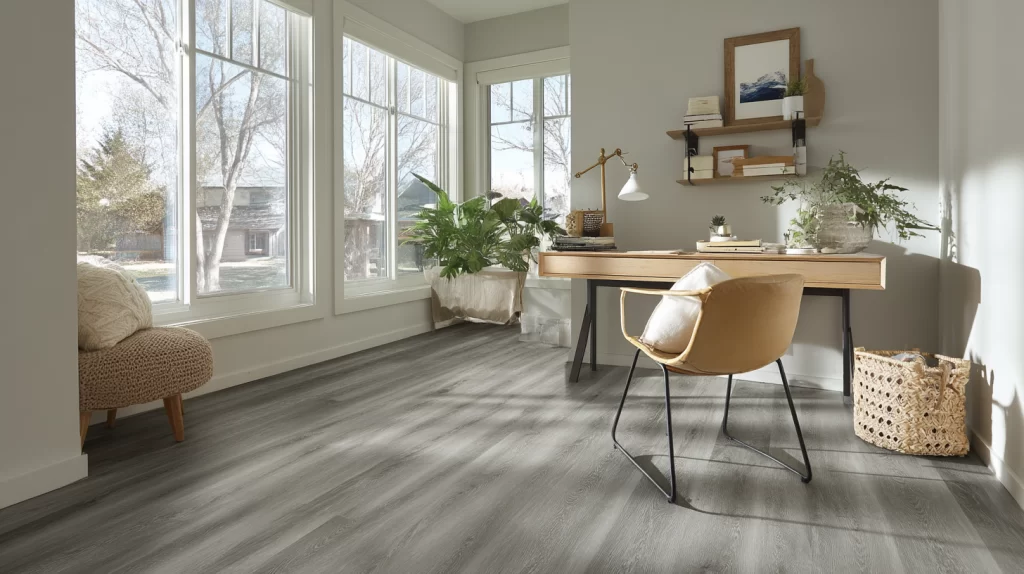
Here is a full cleaning plan you can follow to clean laminate floors properly, maintain shine, protect the finish, and minimize chances of dullness, scratches, or stains.
Step 1: Clear the Area
Move small furniture, pick up rugs or mats, so you have clear access to the floor. Vacuum or sweep the edges and corners to pick up debris and dust that collects there.
Step 2: Dust or Dry Mop First
Use a soft‑bristle broom or dry dust mop to collect dust and loose dirt, especially in high traffic and entry areas. This helps create a clean surface so when you mop you are not pushing dirt around or scratching the surface.
Step 3: Spot Clean Stains Immediately
When stains or spills occur, blot them up promptly with a soft cloth. For sticky or dried substances use a plastic scraper, not metal, to lift off material. For color stains, ink, or nail polish dab with a small amount of rubbing alcohol then clean the area with a damp cloth and dry thoroughly.
Step 4: Mop with Care
Mix your cleaning solution or use a store‑bought laminate floor cleaner. If using a bucket fill it with warm water and cleaner, wring your mop until nearly dry. Alternatively put solution in a spray bottle and lightly mist. Mop in thin, even passes, always following the grain if visible. Change or rinse your mop pad when dirty.
Step 5: Dry Immediately
Once mopping is done in a section, dry with a microfiber cloth or dry mop. Any leftover water or moisture can seep into seams, cause swelling or warping. Drying also helps avoid streaks or dull spots.
Step 6: Final Shine and Buff
If you want the laminate to look shiny after cleaning clean the floor, use a dry microfiber cloth to buff lightly any areas that look dull. Do not use polish or wax, because while they can add shine temporarily, they also leave residue that attracts dirt or may void warranty.
How to Maintain Laminate Floors Day by Day
To keep your flooring looking its best, here are simple daily or weekly habits you should follow:
- Sweep or vacuum daily in busy rooms, at least weekly in less trafficked areas to remove dirt, grit and debris.
- Wipe up spills as soon as they happen to avoid stains.
- Use doormats at exterior doors to catch dirt from shoes. Remove shoes at the door if possible.
- Place felt pads under furniture legs to protect from scratches.
- Trim pet nails often to avoid scratches.
- Maintain indoor humidity between about 35 to 65 percent so laminate does not expand or contract excessively causing gaps or buckling.
Common Mistakes to Avoid When Cleaning Laminate
Knowing what not to do is as important as knowing what to do when cleaning laminate. Avoid these mistakes if you want your floors to remain shiny, clean and beautiful:
- Using too much water or letting water pool on the floor causes damage at seams or joints.
- Using steam mops often or incorrectly.
- Using steel wool or abrasive scrubbers that will scratch surface.
- Employing oil‑soap, wax or polish intended for wood floors which leave residue and make laminate dull.
- Allowing debris to build up so dirt grinds into the finish.
- Skipping drying, leaving moisture behind.
The Full “Clean Laminate Floors” Plan: Timing, Tools, Products, Steps

Here is a summary plan you can put into action to clean laminate floors effectively in your home:
- Start each cleaning session by gathering tools: soft‑bristle broom, vacuum cleaner with brush attachment, microfiber mop, spray bottle or bucket, laminate safe cleaning products, microfiber cloth.
- Sweep or vacuum to remove dust, dirt, debris.
- Spot treat any stains or sticky areas.
- Mop using damp mop method, avoiding soaking or wet mop misuse. Use cleaning solution diluted or store bought.
- Rinse or change mop pad often.
- Dry entire floor immediately after cleaning.
- Buff if needed with dry cloth to restore shine.
- Repeat weekly or biweekly depending on traffic, deep clean every few months.
FAQ: Answers to Common Questions
Can you use a wet mop on laminate floors?
You can use a wet mop only if it is very well wrung out so that it is damp not soaking. Excess water is dangerous because laminate is not waterproof and can be damaged. It is safer to use a damp mop or spray bottle for cleaner.
Is steel wool okay to clean laminate?
No steel wool is not safe. Steel wool is highly abrasive and will scratch laminate surfaces causing dull spots or permanent damage.
How do I clean engineered hardwood floors vs laminate?
Engineered hardwood has a wood veneer top so it is more like real wood, meaning you can sometimes use wood floor cleaner, but still avoid water, oil‑soap, very harsh cleaners, and always follow manufacturer instructions. Laminate clean is more forgiving but still needs gentler methods.
What cleaning products should I use?
Use cleaning products made explicitly for laminate flooring. If making your own cleaner choose mild dish soap diluted in water, or a small mix of vinegar water solution. Avoid oil‑based or wax products.
How often should I clean to maintain the shine?
Sweep or vacuum several times per week in busy spaces, weekly in lower use rooms, deep clean every two to three months. Spot clean stains as soon as they appear.
Final Thoughts: Protecting Your Investment and Beauty
Your laminate flooring is designed to give you beauty, durability, ease of use, low maintenance when treated properly. Following the correct methods, using the right tools, avoiding mistakes, using spray bottles, limiting water, avoiding steel wool, protecting from dirt, using soft tools, caring day by day, will help you retain shine, avoid dull finish, avoid damage, avoid stains.
If at any point you are unsure about how to clean laminate, or need recommended cleaning tools or products simply contact our team at Best Floor Coverings, we are ready to help you find the best cleaning products, the right mop, or answer questions about care. Our goal is that your laminate floors stay clean, shiny and beautiful for years.