

If you’ve ever walked into a room and noticed a musty smell, you might be dealing with more than just a lingering odor. Carpet mold is one of the most common hidden problems in homes, especially here in the Pacific Northwest where high humidity and damp environments are part of daily life. Left unchecked, mold spores can spread quickly, affecting air quality and leading to respiratory conditions and allergic reactions. That’s why it’s critical to act immediately when you suspect mold is growing in your carpet.
In this guide, we’ll walk you through exactly how to get mold out of carpet, whether you’re tackling it with household products like baking soda and white vinegar, or considering professional cleaning and mold remediation. We’ll also cover how to prevent future mold growth so your carpet stays fresh, clean, and safe.
What Causes Mold to Grow in Carpet?
Mold thrives in damp, dark spaces. Unfortunately, carpet is a prime target, especially if there’s a consistent source of excessive moisture. Mold spores are naturally present in the air, but when they land on organic materials like dust or carpet fibers in wet environments, they begin to mold grow and multiply.
Common Sources of Carpet Mold:
- Wet carpet from spills, leaks, or flooding
- High humidity in the home
- Poor ventilation, especially in basements and bathrooms
- Padding underneath that retains moisture
- Organic matter like dirt and pet dander trapped in fibers
When these conditions are present, mold growth can start within 24 to 48 hours. If left untreated, it can spread across the affected area, deep into the carpet padding, and even into the subfloor beneath.
How to Find Mold in Carpet
Sometimes carpet mold is easy to spot, but often it hides below the surface. If you notice any of the following signs, you should inspect your carpet immediately:
Warning Signs of Mold Growth
- Musty smell or moldy smell that doesn’t go away
- Visible mold spots that appear green, black, or white
- Earthy odor or sour scent near the carpet
- Increased allergic reactions or respiratory symptoms in the home
- Soft or discolored areas in the carpet
- Moldy area that feels damp to the touch
If you suspect mold, don’t wait. The longer it sits, the more likely it will spread, damage flooring, and affect the air quality throughout your entire house.
DIY Methods: How to Get Mold Out of Carpet
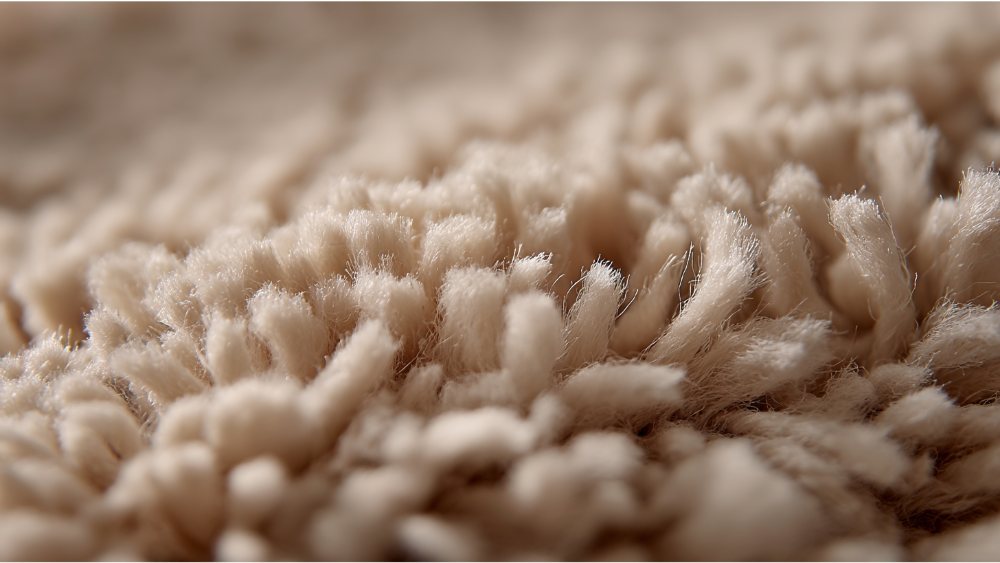
If the mold problem is limited to a small, contained area and hasn’t penetrated the padding, you may be able to handle removing mold yourself using a few common household products.
Before you start, make sure the space is well ventilated. Open windows and use fans to help carpet ventilate and reduce indoor humidity. Always wear protective gear, including gloves, goggles, and a respirator mask to avoid inhaling mold spores.
Step 1 | Dry the Area Completely
Mold thrives in moisture, so your first goal is to remove any excess water. Use fans, dehumidifiers, or wet vacs to absorb excess moisture from the affected area. Let the carpet dry as much as possible until it is completely dry before applying any cleaning solutions.
If possible, pull the carpet back to allow airflow underneath and expose the padding. Ensuring the carpet and padding are completely dry is essential to prevent mold from returning.
Step 2 | Apply Natural Mold Removal Solutions
There are several natural methods for removing mold that are effective, affordable, and safe for most carpets.
White Vinegar
Distilled white vinegar is one of the best ways to kill mold spores on contact. Fill a spray bottle with undiluted vinegar and generously spray the moldy area. Let it sit for 30 to 60 minutes, then scrub with a stiff brush.
Repeat the process if necessary. White vinegar is great for killing surface mold and neutralizing odors.
Baking Soda
Baking soda works by absorbing moisture and deodorizing the carpet. Sprinkle baking soda generously over the moldy area and leave it overnight. The next day, use a vacuum cleaner with a HEPA filter to pick it up.
For extra cleaning power, spray the area with white vinegar after applying baking soda. The combination helps kill mold and remove mold spores from the fibers.
Hydrogen Peroxide
Hydrogen peroxide (3%) is another effective household mold remover. Spray it directly on the carpet, wait 10 to 15 minutes, then scrub gently with a stiff brush. This works well for lighter carpets, as peroxide can cause discoloration on dark materials.
Step 3 | Steam Cleaning
Steam cleaning helps sanitize and kill mold spores deep in the carpet fibers. If you have access to a steam cleaner, go over the entire affected area. The high temperature helps kill mold, loosen stubborn mold growth, and extract remaining moisture.
Make sure carpets dry completely afterward to prevent mold regrowth.
Step 4 | Vacuum with a HEPA Filter
Use a vacuum cleaner with a HEPA filter to remove any lingering spores or particles. Standard vacuums can easily spread mold throughout the house, so it’s essential to use HEPA filtration for safe and effective cleanup.
Vacuum slowly and cover a wide area beyond the visible mold to ensure all affected spots are cleaned.
When to Replace Moldy Carpet
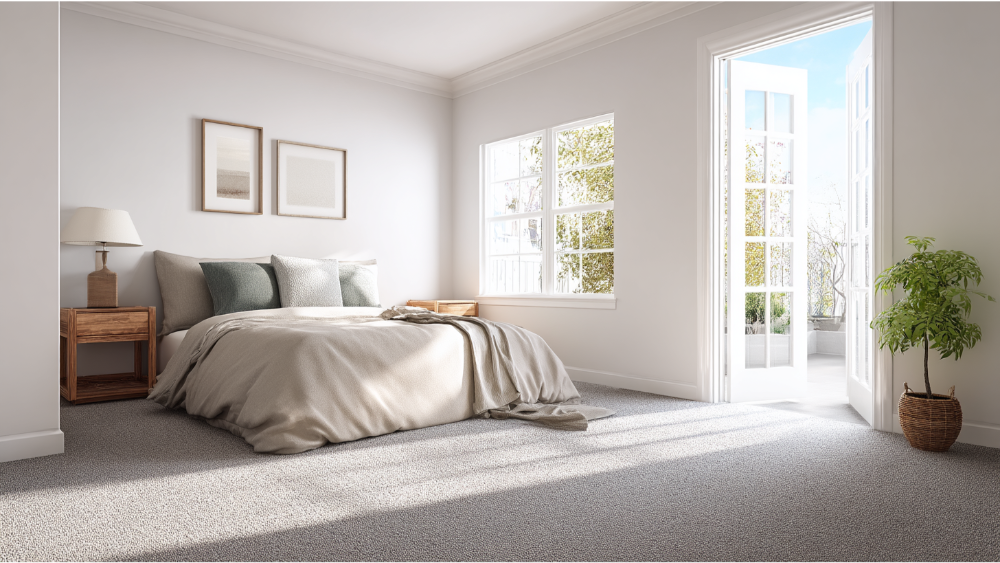
Sometimes mold growth goes beyond what cleaning chemicals and natural remedies can fix. If you notice mold returning after multiple cleanings or if the padding underneath is saturated, it’s time to consider carpet replacement.
Signs You Need Carpet Replacement
- The moldy carpet has a strong, persistent odor
- There is visible mold spreading beyond a small area
- The carpet backing or padding is wet or rotting
- Your home has high humidity and the mold keeps coming back
- The carpet is more than 10 years old and showing wear
Removing and replacing moldy carpet ensures that you eliminate the problem at its source. It also allows professionals to inspect the subfloor for moisture damage and prevent further growth.
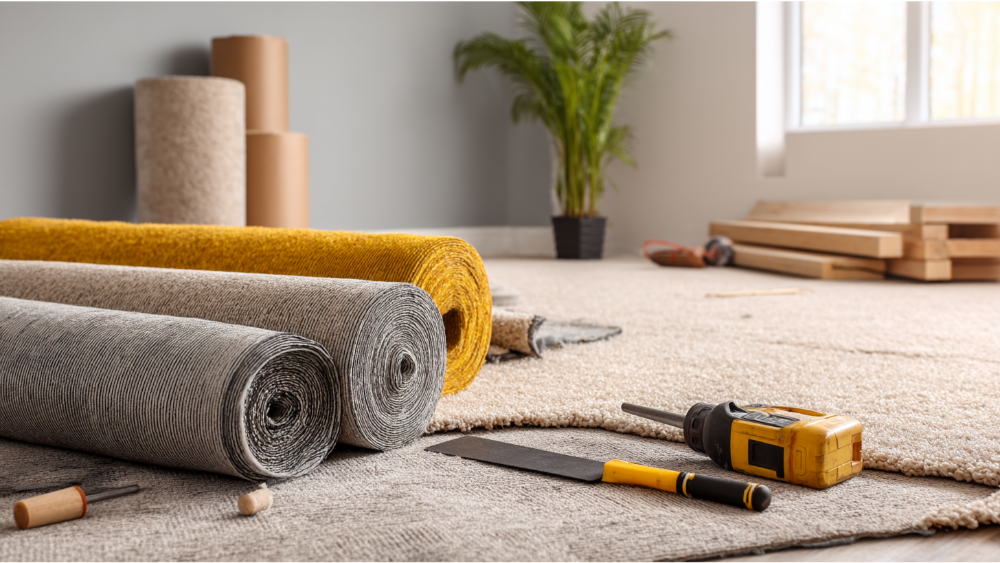
At Best Floor Coverings, we handle complete flooring removal and installation, including subfloor leveling and mold-resistant carpet options. Our team can help you choose new materials that won’t retain moisture and are better suited for areas prone to dampness.
Professional Carpet Mold Remediation
If your mold problem is widespread or returning frequently, it’s time to contact a mold remediation specialist. Professional cleaning goes deeper than surface treatment and ensures mold spores are completely eliminated.
Benefits of Professional Mold Removal
- Uses industrial mold remover products and equipment
- Inspects the subfloor and padding underneath
- Eliminates airborne spores and improves air quality
- Prevents mold regrowth by addressing hidden moisture and controlling moisture levels
- Restores safety and comfort throughout your entire house
Our team at Best Floor Coverings can coordinate with local mold remediation partners and handle the flooring portion of the job. From removal to reinstalling mold-resistant flooring, we’re your one-stop solution.
How to Prevent Mold Growth in Carpet

Prevention is always easier and cheaper than removal. After you’ve cleaned or replaced the carpet, it’s important to take proactive steps to prevent future mold growth.
Tips to Prevent Mold:
- Keep indoor humidity levels low and maintain low humidity using dehumidifiers
- Fix plumbing leaks and eliminate sources of excessive moisture
- Use exhaust fans in bathrooms and kitchens to reduce high humidity
- Clean spills immediately and avoid leaving carpets damp
- Vacuum regularly to remove organic materials like dirt and dust
- Avoid carpet in areas prone to dampness like bathrooms or basements
- Choose moisture-resistant padding during installation
- Rotate rugs and expose them to direct sunlight when possible
- Use a spray bottle filled with a vinegar-water solution as a monthly refresher
- Make sure carpets dry completely after cleaning
Taking these steps not only helps prevent mold, but also extends the life of your carpet and keeps your home smelling clean and fresh.
Frequently Asked How to Get Mold Out of Carpet Questions
Can moldy carpet make you sick?
Yes. Mold spores in the air can trigger respiratory conditions, allergic reactions, and worsen asthma symptoms. If your carpet has a moldy smell or is causing health issues, it needs immediate attention.
How long does it take for mold to grow in wet carpet?
Mold can begin to grow in wet carpet within 24 to 48 hours, especially in poorly ventilated or humid environments.
What kills mold spores in carpet?
White vinegar, hydrogen peroxide, and baking soda are effective household cleaning solutions that can kill mold spores on contact. Steam cleaning also helps sanitize and remove mold spores.
Is it safe to clean moldy carpet yourself?
Yes, if the mold is localized and hasn’t penetrated the padding or subfloor. Always wear protective gear and work in a well ventilated area. For large infestations, call a professional.
What is the best way to prevent mold?
The best way to prevent mold is to control moisture levels. Keep humidity low, clean spills quickly, and improve ventilation in damp environments. Use rugs in areas prone to moisture and choose flooring that doesn’t retain moisture.
Ready to Get Rid of Mold for Good?
If you’re tired of dealing with a mold problem or want to upgrade from a moldy carpet to something more durable, Best Floor Coverings is here to help. From mold removal and subfloor inspection to full flooring installation, our experienced team delivers personalized service and reliable results.
Serving Seattle, Bellevue, and surrounding areas, we bring our showroom to your door through our convenient shop-at-home service. Whether you need help with removing mold, replacing damaged carpet, or choosing a new mold-resistant floor, we’ve got you covered.
Contact us today for a free consultation and let’s make your floors beautiful, safe, and mold-free.