

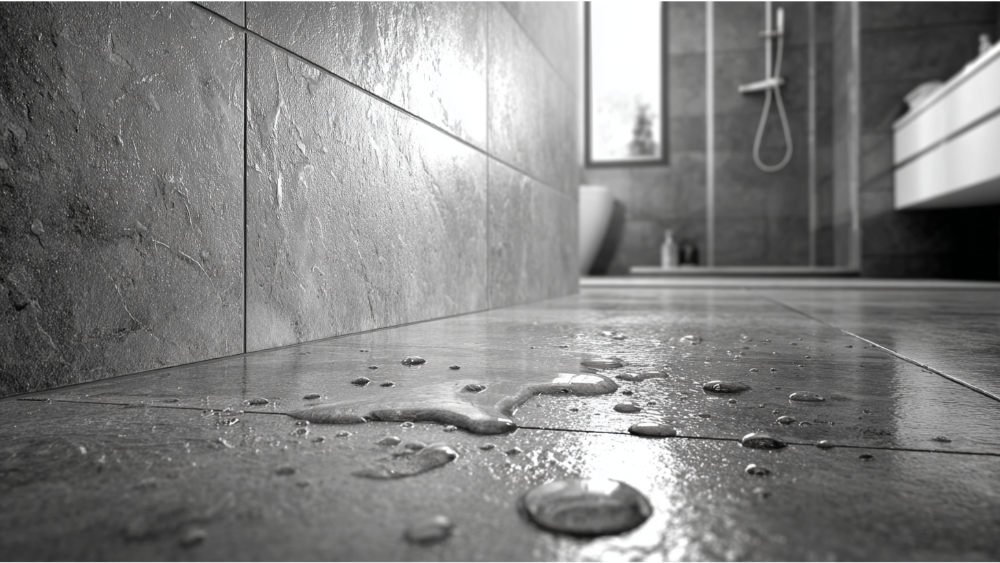
Understanding Porcelain Tile Composition
Porcelain tile is one of the most popular flooring options among Seattle-area homeowners, and it’s easy to see why. Known for its durability, low maintenance, and endless design possibilities, porcelain offers both function and beauty.
But one question we get all the time at Best Floor Coverings is: Does porcelain tile need to be sealed? The answer isn’t one-size-fits-all, it depends on the type of porcelain, its finish, and where it’s installed.
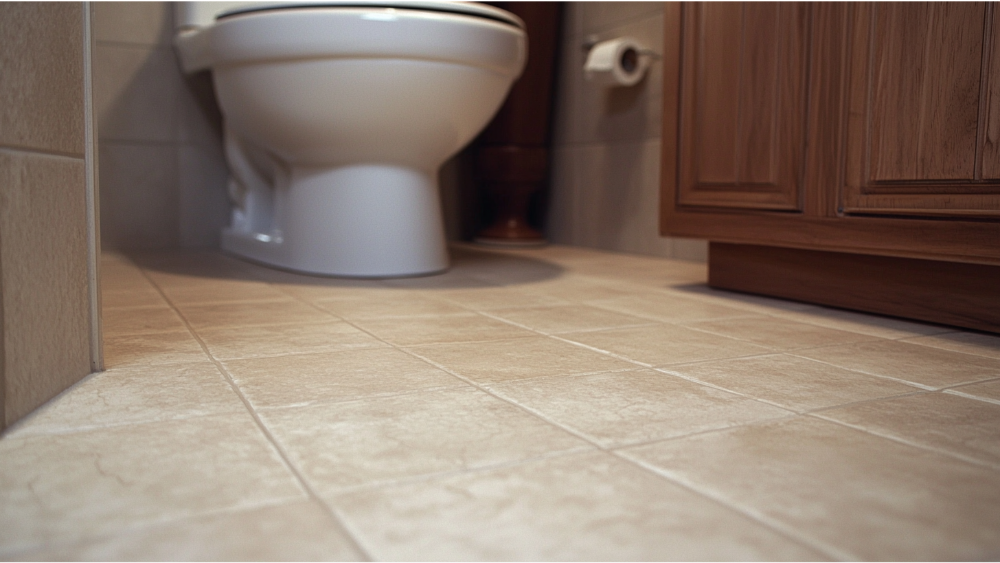
To start, let’s clarify what porcelain tile really is. Porcelain is a type of ceramic tile made from refined clay and fired at extremely high temperatures. This process results in a hard, dense, and completely impervious tile with a low porosity rating, typically absorbing less than 0.5% of water. That makes it ideal for moisture-prone areas like kitchens, bathrooms, laundry rooms, and outdoor use.
There are two main categories of porcelain: glazed and unglazed tile. Glazed porcelain features a hard, often colorful top layer baked onto the tile surface, while unglazed tiles have a more natural, earthy finish with color and pattern running through the entire body. Each type performs differently when it comes to moisture penetration, stain resistance, and maintenance.
When Does Porcelain Tile Need to Be Sealed?
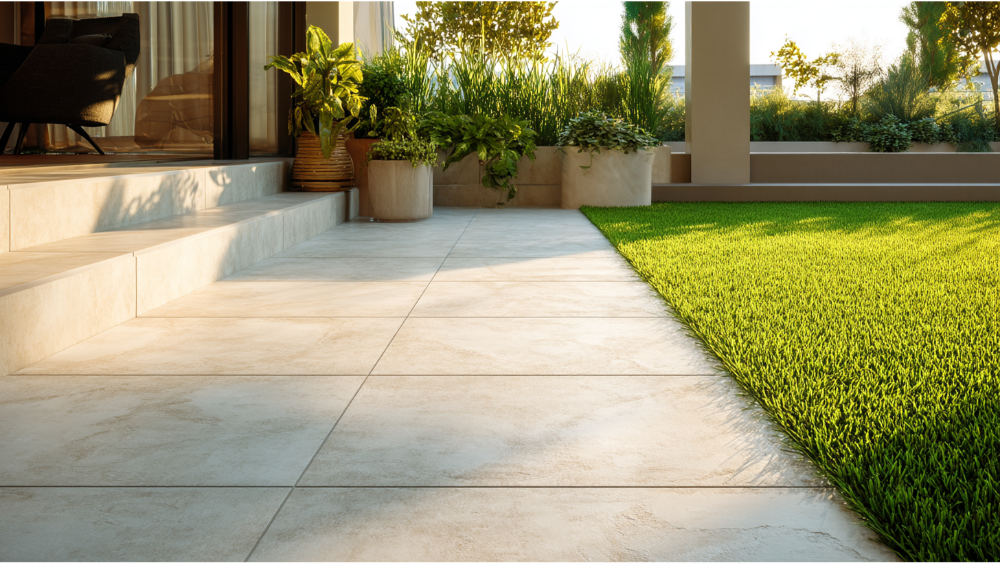
Why Sealing Matters
Sealing isn’t always required, but in some situations, it adds an extra layer of protection against dirt, spills, and wear. It can also make regular cleaning much easier by preventing residue and grime from settling into tiny crevices on the porcelain surface.
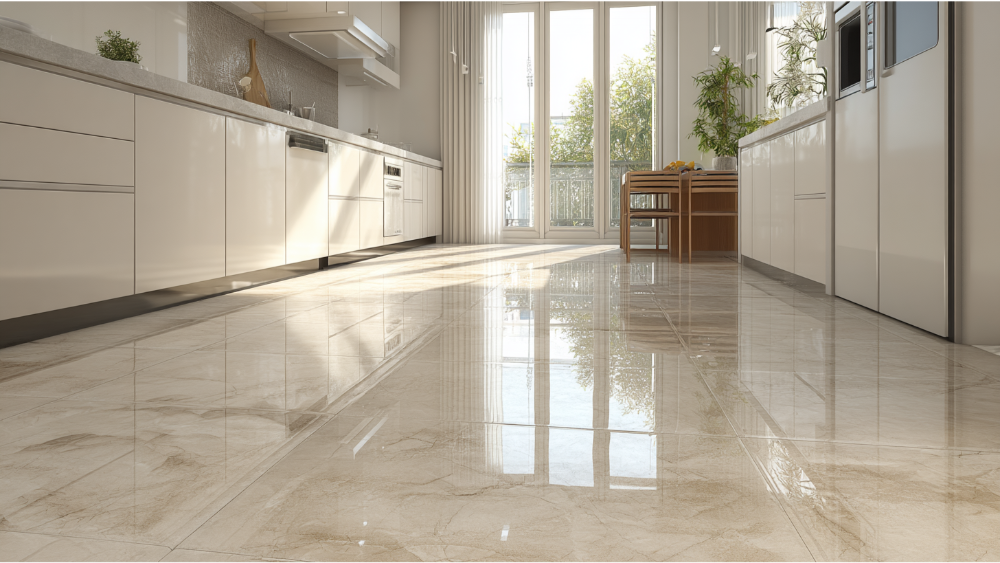
The need for sealing depends on factors like finish, foot traffic, tile texture, and exposure to water. For example, high-use areas like entryways or kitchens may benefit from sealing unglazed or textured tiles, while low-traffic areas or glossy appearance tiles often don’t need it.
Unglazed Porcelain: When and Why to Seal
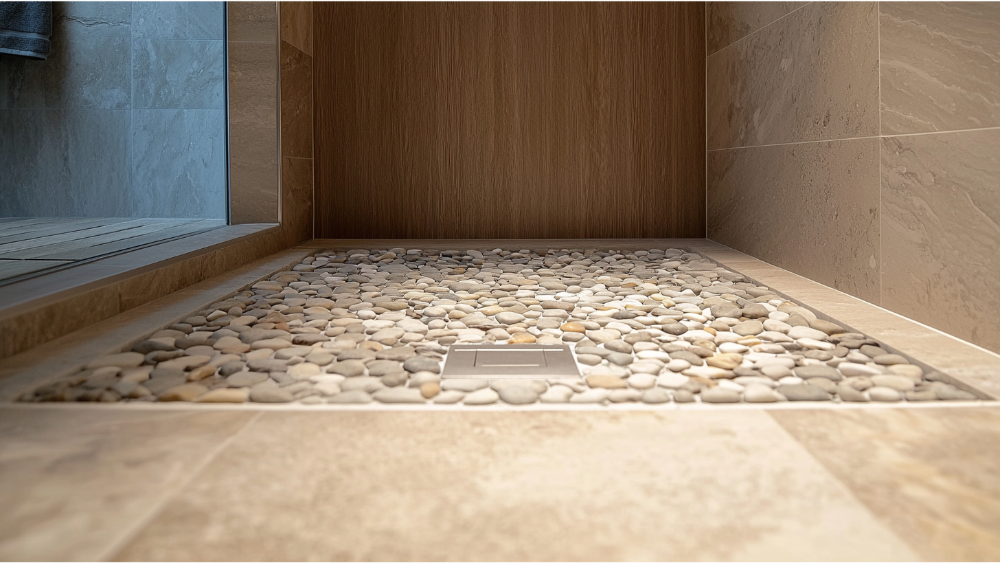
Unglazed porcelain tiles have a matte finish and more texture, which gives them a different aesthetic and sometimes more slip resistance, making them great for wet area applications. However, they’re also more prone to absorbing liquids and oils, especially in kitchens or bathrooms.
Because of their porous surface, unglazed tiles can trap grime at a microscopic level, especially if not sealed properly. A penetrating sealer helps block out moisture and contaminants while preserving the tile’s natural look. This is especially important for porous tiles installed in mudrooms, kitchens, or entire floor areas where dirt tends to accumulate.
Textured or Polished Porcelain: Special Considerations
Even polished porcelain tiles may need sealing. The polishing process can create micro-abrasions that slightly open the porcelain surface, allowing water or oils to penetrate. In these cases, a high-quality, penetrating sealer can add water resistant protection without changing the look or feel of the tile.
Textured tiles, especially those designed to mimic natural stone tile, often benefit from sealing as well. Their rough surfaces can hold onto dirt and debris, making them harder to clean without added protection.
When Sealing Glazed Porcelain is Unnecessary, and Why
Glazed porcelain is often completely impervious to moisture. The glaze acts like a protective shield, preventing liquids from soaking in and making sealing unnecessary. In fact, applying sealer on a non-porous glazed surface can result in excess sealer buildup or a hazy film that’s tough to remove.
Still, even if you skip sealing the tile itself, don’t overlook the grout joints, especially in wet area installations like showers or bathroom floors. The grout joint is where most moisture problems begin.
How Ceramic and Porcelain Tile Compare When It Comes to Sealing
Homeowners often ask how ceramic and porcelain tile differ, especially when it comes to sealing. While both are popular and durable, ceramic tiles are generally more porous and require sealing more often, particularly if they’re installed on floor tiles or wall tiles in moisture-rich spaces.
Porcelain floor tiles have a lower absorption rate, so they’re less likely to stain or allow moisture penetration. However, natural stone tiles like marble, slate, or travertine are among the most porous tiles and almost always require sealing, even on vertical applications like a shower wall.
Understanding your tile type ensures you protect it properly. If you’re unsure, our team can perform a visual inspection and a simple water test to confirm if your surface needs sealing.
The Importance of Sealing Grout Lines
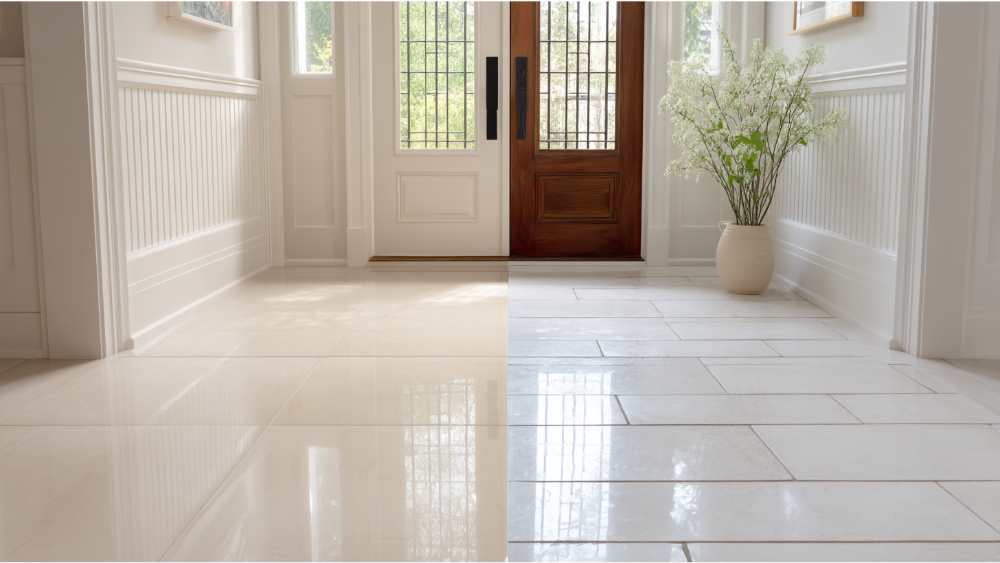
Why Grout Is Always Vulnerable
Grout may be a small part of your tile project, but it plays a huge role in performance. Most traditional grout is porous and will absorb spills, water, and bacteria if left unsealed. That’s why sealing grout joints, whether you have floor tiles or wall tiles, is always recommended.
Over time, unsealed grout can develop grout haze, mildew, and even structural damage, particularly in wet areas like bathrooms and laundry rooms.
Types of Grout Sealers and Grout Options
You have two main types of grout sealers: penetrating and membrane-forming. Penetrating sealers are typically best, they soak into the grout without changing its look, offering invisible but effective protection.
If you’re using epoxy grout or epoxy grouts, sealing may not be needed. These grouts are already non-porous and naturally resistant to staining and water. They’re ideal for kitchens, backsplashes, and showers, though they can be trickier to work with and require an experienced installer.
How Often to Reseal Grout
Plan to reseal your grout every one to three years, depending on how much traffic the area gets and how often it’s exposed to moisture. In high-moisture areas or spaces with frequent spills, resealing once a year is often best.
How to Tell If Your Tile Needs Sealing
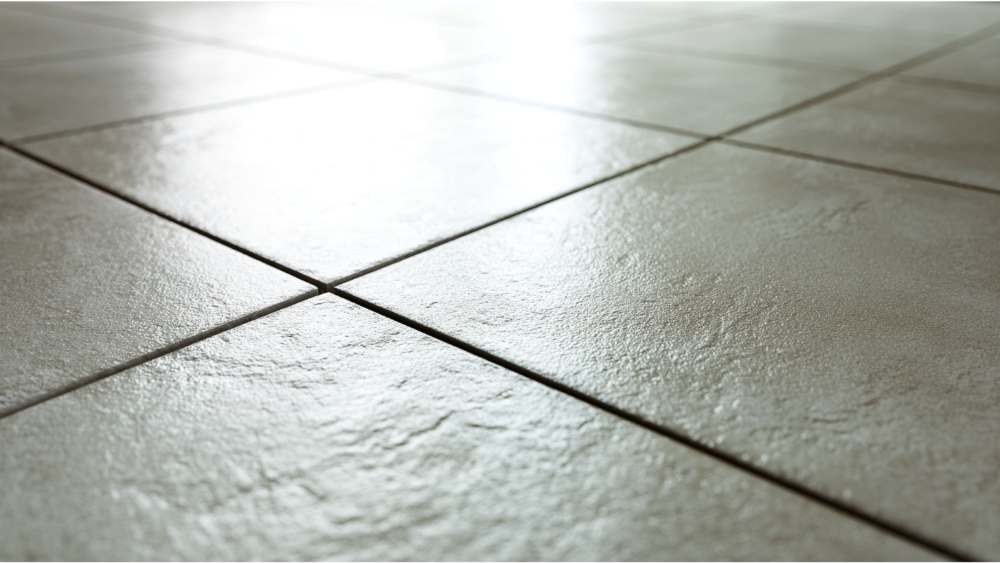
The Water Drop Test Explained
If you’re not sure whether your tile or grout needs sealing, try the water test. Drip a small amount of warm water onto the tile surface and watch what happens. If the water beads, your surface is protected. If it quickly soaks in, you’ve got a porous surface that likely needs sealing.
Signs Your Tile or Grout Is Unsealed
- Tiles or grout darken when wet
- Visible stains or discoloration
- Leaving marks after spills
- Mold or mildew buildup in grout lines
- A dull or uneven finish on your entire floor
These symptoms are especially common in homes where the previous owner didn’t maintain the flooring properly. A visual inspection by a tile professional can confirm whether sealing is needed.
Recommended Sealers for Porcelain and Grout
Types of Sealers
- Penetrating Sealers – Great for unglazed, textured, or natural stone tile surfaces
- Topical Sealers – Sit on the surface and are more common with stone or decorative tile
- Enhancing Sealers – Give a rich, wet look that deepens color while sealing
What We Recommend at Best Floor Coverings
We use only top-tier sealers from trusted brands, formulated for safety, performance, and longevity. Whether we’re sealing porcelain floor tiles, wall tiles, or natural stone tiles, we choose products that are safe for pets, kids, and indoor air quality.
Eco-Friendly and Long-Lasting Options
For those who prefer sustainable solutions, we also offer green-certified and VOC-free sealers that provide the same long-lasting protection without the harsh chemicals.
Pros and Cons of Sealing Porcelain Tile
Benefits of Sealing
- Improves stain resistance
- Easier to clean tiles
- Extends life of tile and grout
- Protects from everyday wear in high-traffic areas
- Helps maintain beauty and integrity of the tile surface
Potential Downsides
- Unnecessary for glazed tiles
- Incorrect application may leave excess sealer or haze
- Requires periodic maintenance in high foot traffic zones
Professional vs. DIY Sealing
Can You Seal Tile Yourself?
Yes, but it takes care and the right products. Many DIY attempts leave behind grout haze, blotchy finishes, or even damaged tile. If you don’t want to risk a mistake or waste time testing, it’s best to let pros handle it.
When to Hire a Pro
Complex layouts, textured or unglazed tile, and epoxy grout installations are best left to a trained installer. We also recommend professional sealing for any outdoor tiles or areas exposed to water.
How We Handle Sealing
At Best Floor Coverings, we evaluate your tile surface, grout type, and space usage. If sealing is needed, we use the right tools and sealers to deliver even coverage without buildup or residue, guaranteeing your floors look great and last longer.
Maintenance Tips for Porcelain Tile and Grout
Daily and Weekly Routines
- Sweep or vacuum to remove grit
- Mop with warm water and a pH-neutral cleaner
- Wipe spills quickly to prevent stains or buildup
- Use mats or rugs in entryways to reduce debris
Extending Your Sealer’s Life
- Avoid acidic or oil-based cleaners
- Don’t use steam mops on porous surfaces
- Reapply sealer as needed based on visual inspection and usage
Choosing Porcelain Tile for Your Remodel
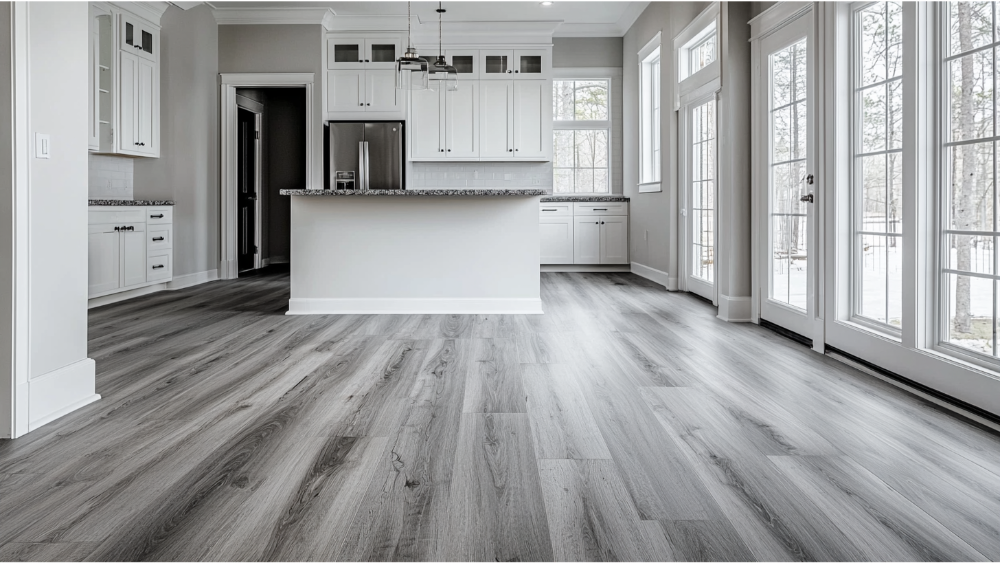
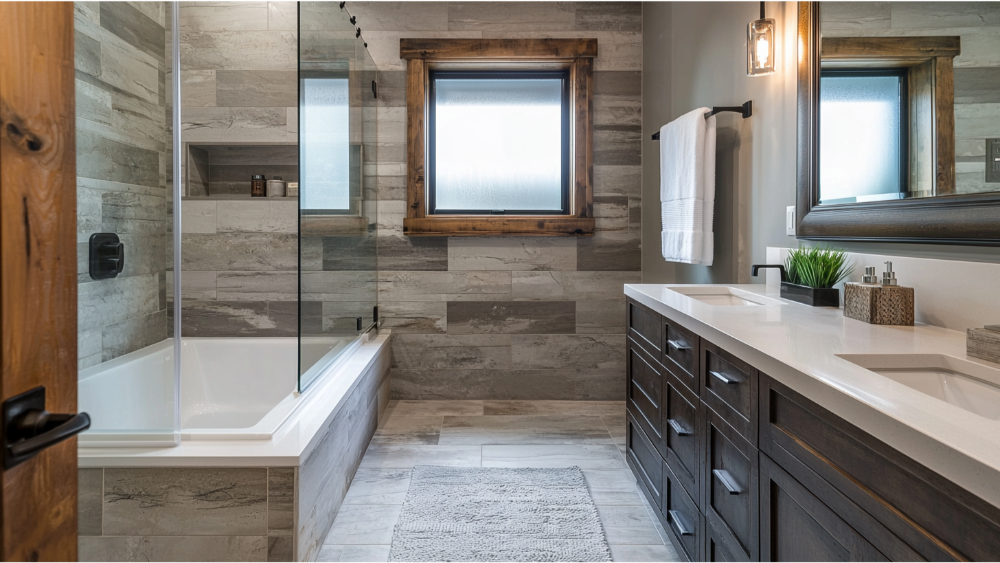
Porcelain tile remains a top choice for homeowners wanting style and performance. It works beautifully for kitchens, bathrooms, mudrooms, or even outdoor use. From sleek polished porcelain tiles to rustic wood-look planks, it suits any aesthetic, and with proper care, it’ll last decades.
Need help picking the perfect option? Stop by our tile store or explore our flooring and remodeling services. We’ll help you match form and function to your lifestyle and budget.
Frequently Asked Does Porcelain Tile Need to Be Sealed Questions
Do all porcelain tiles need to be sealed?
Not always. Most glazed porcelain tiles come with a built-in protective layer that makes sealing unnecessary. These glazed porcelain tile surfaces have low porosity, meaning they naturally resist water and stains. However, unglazed and textured tiles, especially on a porcelain tile floor, often benefit from sealing to enhance durability and ease of cleaning.
Do outdoor tiles need to be sealed?
Yes, particularly unglazed tiles and all grout joints. Outdoor environments expose your tile floor to weather, dirt, and moisture, so applying a quality sealer helps maintain its appearance and longevity.
How do I know if I need tile sealers?
Try the water test. If water doesn’t bead and instead absorbs into the tile or grout, your surface likely needs sealing. This is especially common on porcelain tile floors that see heavy use or are located in wet areas. Choosing the right tile sealers ensures long-term protection and makes future maintenance much easier.
What if I see white haze on my tile?
That’s often grout haze or excess sealer, a common issue with DIY sealing jobs. It’s important to clean the surface properly and, in some cases, re seal the area with the correct method. A professional can safely restore your tile’s look.
Is epoxy grout better?
It’s highly water-resistant, stain resistant, and doesn’t usually need sealing, but it does require expert installation to avoid mess and ensure clean results.
Final Thoughts: Get the Most from Your Tile Investment
Sealing your porcelain tile isn’t always necessary, but when it is, it’s worth doing right. Whether you’re dealing with porous tiles, epoxy grout, or outdoor use, protecting your investment means less maintenance and better long-term value.
Want professional help and personalized advice? Schedule your free shop-at-home consultation with Best Floor Coverings. We’ll bring samples, inspect your space, and give you honest, expert recommendations, right at your doorstep.