


Why Travertine Needs Special Care
What Makes Travertine a Unique Natural Stone?
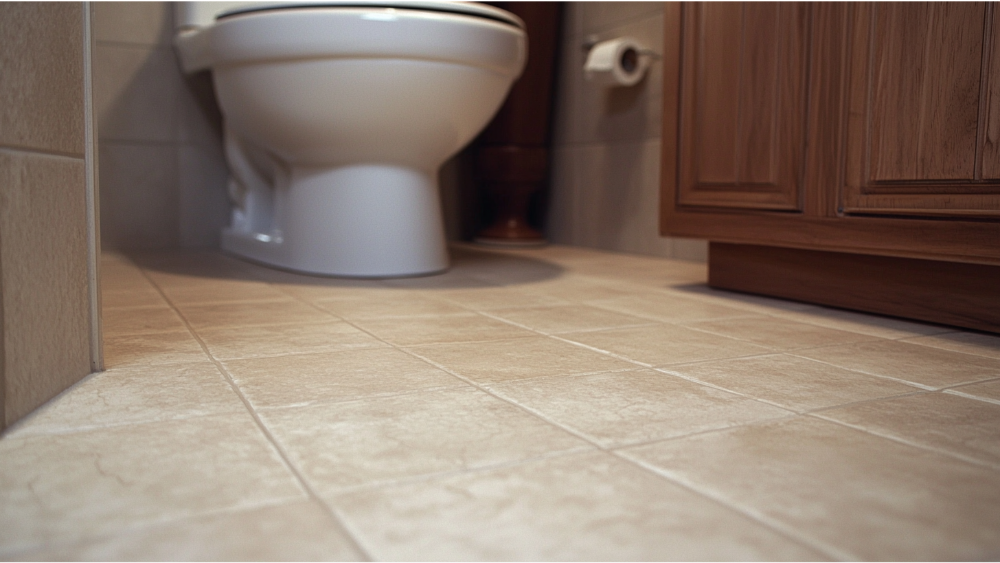
Travertine is a beautiful and durable natural stone, but it’s not like other stone floors. It’s porous, reactive to acids, and has a softer surface compared to granite or slate. Whether polished, honed, or tumbled travertine, this material demands a bit more TLC to keep its elegance intact. You’ll find it used for travertine floor tiles, accent walls, countertops, and even shower walls, making it important to understand its properties no matter where it’s installed.
At Best Floor Coverings, we’ve worked with homeowners across Kirkland and the Seattle area who want the natural charm of travertine without the maintenance headaches, and we’re here to guide you through it.
Risks of Improper Cleaning
Using harsh chemicals, acidic solutions, or abrasive tools on travertine can cause irreversible damage. Etching, fading, and deep staining happen when cleaning products aren’t compatible with the stone’s delicate composition. Leaving tiles holes, scratches, or compromised sealant behind can lead to moisture infiltration and long-term water damage. Proper cleaning doesn’t just keep the tile surface looking good, it helps prevent damage that could cost far more to fix down the line.
Daily & Weekly Cleaning Tips
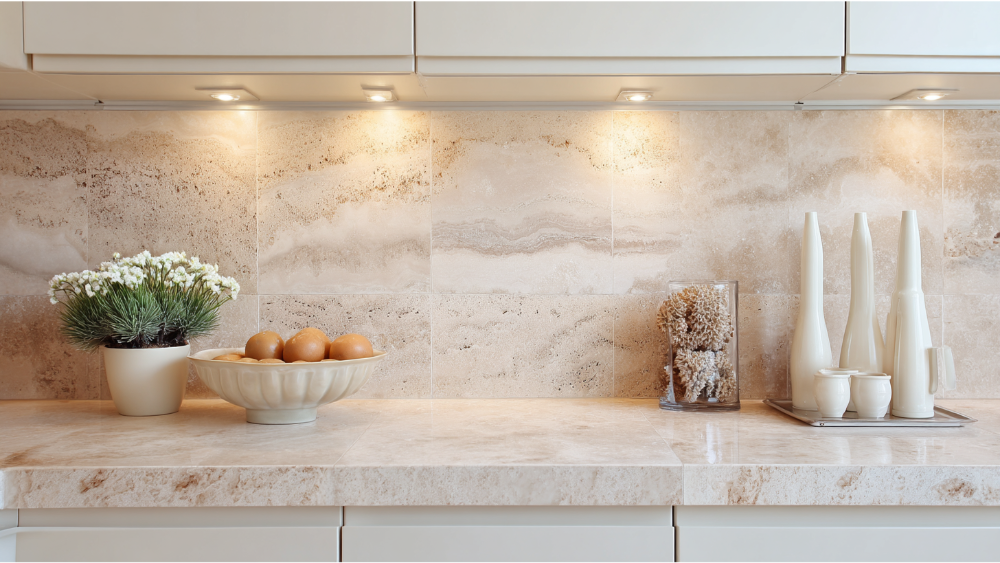
How to Clean Travertine Tile
You don’t need a closet full of gear to clean travertine right, but having the essentials on hand makes maintenance simple:
- Soft-bristle broom or vacuum cleaner (without a beater bar)
- Microfiber cloth or dry mop
- Bucket of clean water
- Slightly damp mop
- pH-neutral cleaning product or diluted dish soap
- Dry towel for wiping after mopping
Never use acidic or commercial cleaners not labeled safe for stone floors. Skip anything abrasive that might scratch the tile surface or get lodged in small holes and crevices.
Step-by-Step Cleaning Routine
Start by sweeping or vacuuming to remove loose dirt and debris. Then:
- Mix a few drops of dish soap or a pH-neutral stone cleaner into a bucket of warm water to create a gentle solution that’s safe for travertine.
- Use a slightly damp microfiber mop to clean small areas at a time.
- Rinse with plain water or a second bucket of clean water to clear any residue.
- Dry the floor immediately using a dry towel or microfiber cloth to prevent water spots.
Tumbled Travertine Tips for Busy Areas
Tumbled travertine is known for its rustic charm, but its uneven texture can trap dirt. In high traffic areas, use entry mats and area rugs to reduce wear and tear. Furniture pads help avoid scratches, and regular mopping ensures dirt doesn’t build up in the tiles holes or grout lines.
Looking for something easier to maintain? Our Best Floor Coverings team in Kirkland and Seattle offers luxury vinyl flooring that gives you the natural look of stone without the high-maintenance care routine.
Deep Cleaning for Travertine Tile

When to Deep Clean
Even the best regular mopping won’t stop grime from building up over time. When your travertine floor starts to look dull or dirty, it’s time for a deeper clean. We recommend a thorough clean every few months or after a particularly messy season (hello, rainy Seattle winters).
How to Clean Grout Lines Safely
Grout lines between tiles attract dust, spills, and even soap scum in bathrooms. To safely clean them, use a soft grout brush and a mild paste made of baking soda and water. Let it sit, then gently scrub. Avoid harsh chemicals like bleach, they may damage your stone floor and eat away at the grout.
When It’s Time for Professional Help
If you see mold in the shower walls, deep discoloration, or etch marks that just won’t lift, it’s best to bring in a pro. We use different cleaning products tailored to your finish and surface type, plus commercial-grade tools that safely clean every tile surface and detail.
Explore our tile and grout services to keep your natural stone spotless and sealed.
How to Remove Stains from Travertine
What Type of Stain Are You Dealing With?
Stains are part of life, but they’re not the end of your floor.
Here’s how to handle them:
- Oil-based stains like lotion or cooking grease: use a baking soda poultice.
- Organic stains from food, wine, or coffee: apply hydrogen peroxide and baking soda.
- Rust and mold: for tricky spots in damp areas like shower walls, we recommend professional intervention to prevent damage.
Natural Cleaning Solutions That Work
If you’re going DIY, skip the chemicals. Use a stone-safe cleaning solution or make your own paste with baking soda and water. Apply it over the stain, cover it with plastic, and let it sit overnight. This gentle method can lift most stains without harming the surface.
Need help with bathroom tile? Our bathroom remodeling team at Best Floor Coverings helps homeowners across Seattle and Kirkland upgrade, refresh, and protect their tile spaces.
How and Why to Seal Travertine
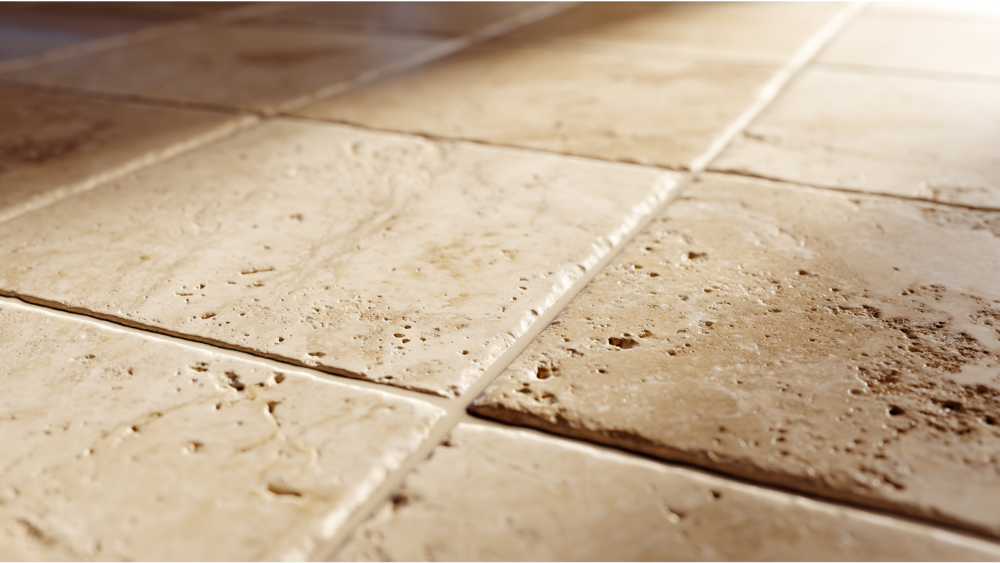
Does Your Travertine Need Sealing?
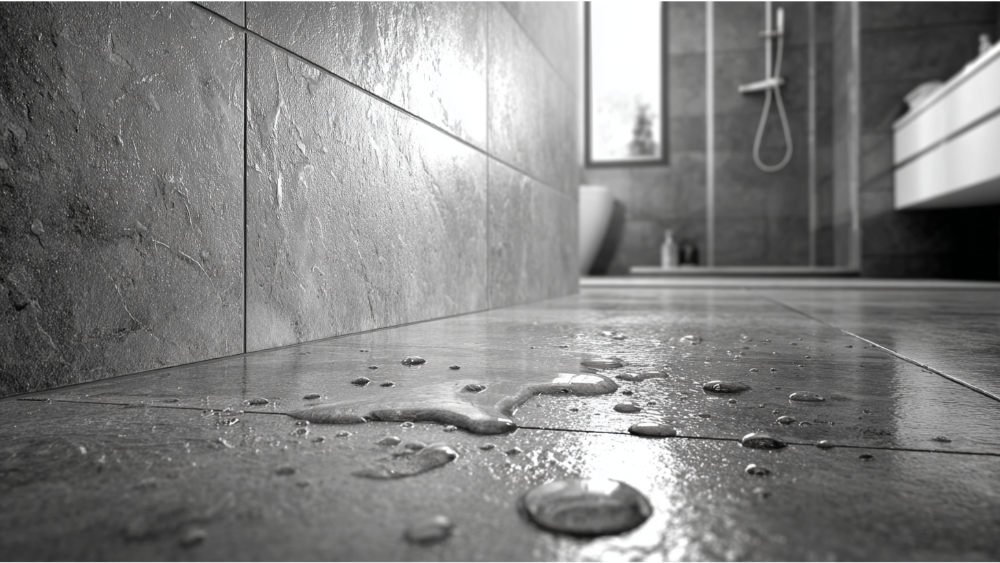
Try the simple water-drop test. If water darkens your tile in under five minutes, it’s time to reseal. Without a good seal, dirty water and spills can seep deep into the stone and grout, leading to stains or permanent damage.
Sealing Travertine Tiles for Lasting Protection
Sealing travertine tiles is critical for maintaining their natural beauty. We typically recommend an impregnating sealer for deep penetration and maximum resistance to stains. It protects from within, rather than sitting on top like a wax finish might.
In kitchens or bathrooms, resealing every 6 to 12 months is a smart move. Avoid using a wax finish on travertine, as it can create a buildup that dulls the natural appearance and makes future sealing more difficult.
DIY vs. Pro Sealing
While sealing is possible on your own, uneven coverage or missed spots can lead to inconsistent protection. Our team at Best Floor Coverings applies sealers evenly and ensures that all holes, edges, and crevices are treated properly.
Need a hand sealing your floor? Ask us about our professional sealing services available throughout Kirkland, Seattle, and Bellevue.
Special Tips for Bathrooms and Showers
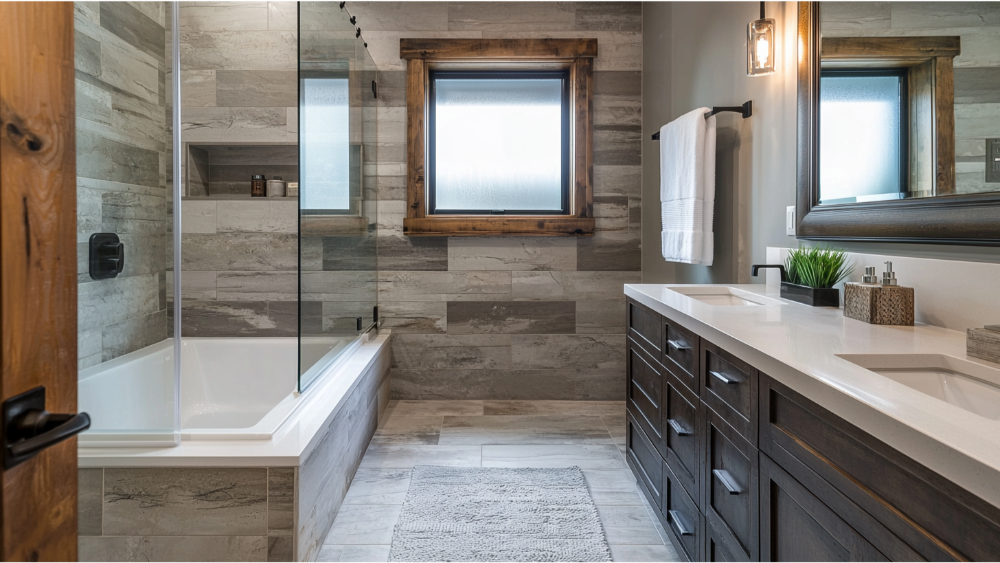
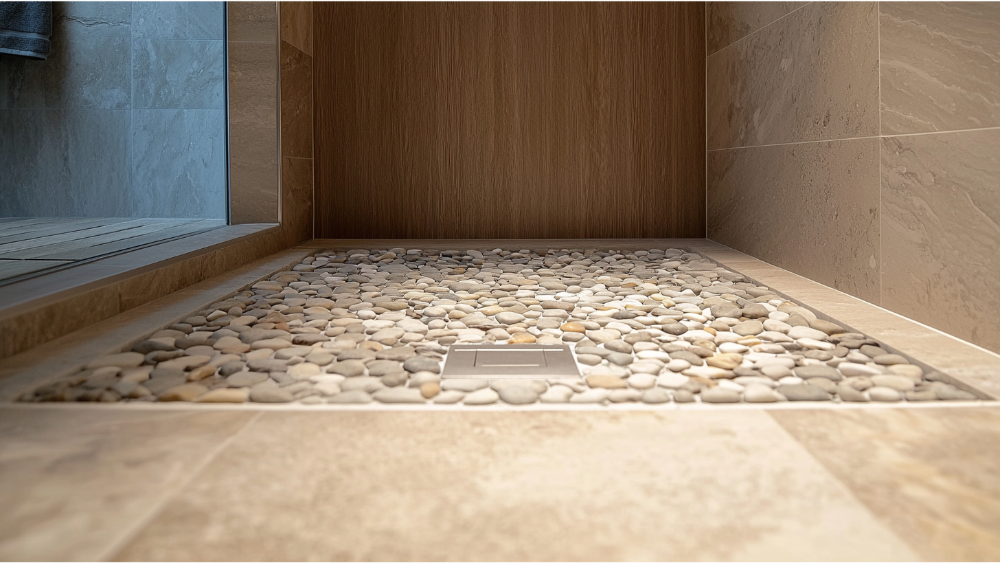
Caring for Travertine in Wet Areas
In damp places like shower walls and bathroom floors, mold and mildew are more common. Wipe down walls daily with a microfiber cloth and keep the fan running post-shower. Squeegeeing can go a long way to prevent damage from excessive moisture.
Mold Prevention and Water Control
Moisture trapped in tiles holes or seams can lead to growth and staining. Proper ventilation, consistent drying, and periodic sealing are your best defense.
Restoration Services for Showers and Baths
When your stone loses its luster or starts absorbing water, it’s time to call in a pro. We offer refinishing and restoration for travertine floor tiles, shower surfaces, and more, right here in the Seattle and Kirkland area.
Polishing & Restoring Dull Travertine
Signs It’s Time to Polish
If your floors feel gritty, look dull, or show signs of wear, professional polishing can refresh them. Etched areas, stains, or uneven finish all indicate it’s time.
What Restoration Involves
We use diamond abrasives and specialized tools to remove top-layer damage. After polishing, we apply a premium impregnating sealer to lock in the results.
Restoration for Long-Term Beauty
Most restoration takes just a day or two and dramatically improves the look of your stone floor without needing replacement. Whether you’ve got a modern honed look or classic travertine floor tiles, we’ll tailor the process to fit your needs.
Caring for Travertine Floors Year-Round
How to Maintain Beautiful Travertine Floors
Caring for travertine floors is about consistency. Don’t let spills sit, use only stone-safe cleaning products, and never let moisture linger. A quick wipe with a dry mop or towel can prevent streaks and stains.
High-Traffic Zones on Travertine Floors
In high traffic areas, dirt and debris wear down the finish faster. Use area rugs, shoe mats, and regular sweeping to reduce surface damage. Schedule professional cleaning and resealing annually for the best results from Best Floor Coverings, your local flooring experts in the Seattle and Kirkland area.
Frequently Asked Travertine Tile Cleaning Questions
Can I Use a Steam Mop on Travertine?
No. High heat and moisture can break down the sealant and seep into tiles holes, causing water damage.
How Often Should I Seal My Travertine?
Most homes benefit from resealing once per year, though bathrooms or kitchens may need it every 6–9 months.
What If My Travertine Gets Etched?
Etching from acidic substances causes permanent surface changes. Honing and polishing are the only way to restore it.
Can I Use Vinegar on Grout Lines?
No. Vinegar is a harsh chemical that can etch stone and deteriorate grout. Use a stone-safe grout brush and mild paste instead.
Is It Safe to Power Wash Outdoor Travertine?
Avoid it. High pressure can push water into holes and joints, loosening the stone and causing irreversible damage.
Final Tips for Long-Lasting Beauty
Stick to Safe Cleaning Products
Always use a pH-neutral cleaning product designed for stone. This helps preserve the sealant and color.
Protect the Surface
Use coasters, rugs, and protective pads under furniture to keep your tile surface from scratches or wear.
Know When to Call for Help
Not every issue can be solved with DIY. Our experts can clean, seal, fill, and restore your floors quickly and professionally.
Restore, Protect, or Replace, We’re Here for All Your Tile Needs
Travertine brings organic, elegant charm into your home. Whether you need help with sealing, restoring, or replacing your travertine floor, Best Floor Coverings is just a call away.
Schedule your free estimate or book a shop-at-home consultation and we’ll bring the showroom to you. Proudly serving Kirkland, Bellevue, Seattle, and nearby communities with expert flooring and tile care.