

What Is Luxury Vinyl Plank Flooring, and Why Thickness Matters
Luxury vinyl plank flooring is one of the most popular choices for homeowners today, and it’s easy to see why. It blends the look of hardwood with the durability of synthetic materials, giving you a floor that’s both beautiful and practical. But when shopping for LVP, one of the most important, and often overlooked, decisions is selecting the right thickness.
At Best Floor Coverings, we help homeowners every day understand how LVP flooring thickness can have a big impact on how their floors perform, how they feel underfoot, and how well they hold up to daily life. It’s not just about durability, either. The thickness affects everything from sound insulation to temperature retention to how easily it handles foot traffic from kids, pets, and guests.
Whether you’re remodeling a quiet home office or a busy family room, understanding plank thickness will help you choose the right product that balances performance, longevity, and comfort.
Plank Thickness vs. Wear Layer: What’s the Difference?
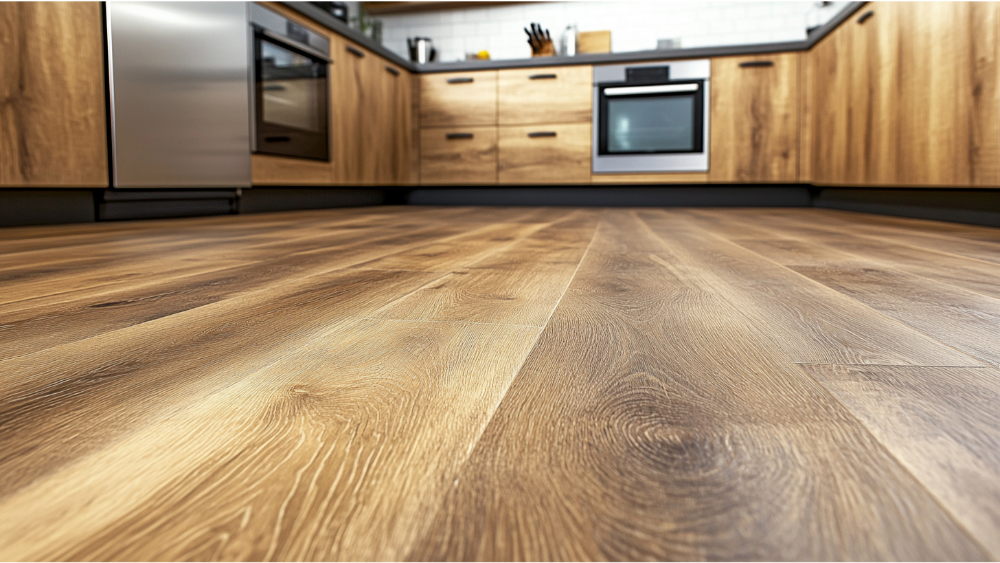
When we talk about thickness, there are two key components you need to understand: the overall thickness of the plank and the wear layer thickness.
The overall plank thickness typically ranges from 2 mm to 15 mm. This includes the core structure, which provides stability, and sometimes a built-in underlayment. A thicker plank often means better sound insulation, more comfort underfoot, and the ability to better mask minor imperfections in the subfloor.
Then there’s the wear layer, a clear, protective coating on the surface of each plank. This is what guards against scuffs, scratches, and general wear and tear. Wear layer thickness is measured in mils, not millimeters, and it plays a huge role in how well your flooring holds up over time. In areas with high foot traffic or a lot of daily movement, a thicker wear layer can make a noticeable difference in how your floors age.
Standard Vinyl Flooring Thickness Options in 2025
So, what’s considered standard these days? At Best Floor Coverings, we guide customers through a wide range of vinyl flooring thickness options, ranging from ultra-thin budget choices to thick, premium-grade planks made for heavy-duty use.
Entry-Level Vinyl Plank Flooring (2–4 mm)
At the lower end of the spectrum, these thinner planks are most often used in spaces that don’t see a ton of action. Think guest bedrooms, closets, or rooms that only get occasional use.
While they’re cost-effective and can still look great, thinner planks don’t provide as much comfort underfoot. They also have limited sound insulation and may transfer noise more easily between floors, something to consider if you’re installing LVP upstairs.
These products often feature a thinner wear layer as well, which means they may show signs of wear and tear sooner if used in areas with consistent foot traffic. But if you’re looking for a quick, affordable update to a low-use space, they’re still a solid choice, and Best Floor Coverings can help you find the right one.
Mid-Range Luxury Vinyl Plank (5–8 mm)
This is where most homeowners land. Planks in this range hit the sweet spot between comfort, durability, and value. They’re thick enough to smooth over minor imperfections in the subfloor and provide better sound insulation. That means less echo and more warmth underfoot, especially important in living areas and bedrooms.
In terms of wear layer thickness, these mid-range planks usually offer 12 to 20 mils. That’s a great range for handling everyday life, including active kids, pets, and frequent visitors. This level of durability helps your floors maintain their surface integrity for years, even in areas like a busy family room or kitchen.
These planks are a top choice for homeowners looking for balance, good looks, great performance, and a lifespan that holds up to most residential needs. Best Floor Coverings often recommends this category for its versatility and comfort.
Thickest Luxury Vinyl Flooring Options (10–15 mm)
If you want the best of the best, these premium planks are worth the investment. Designed for high-traffic environments and heavy-duty use, thicker vinyl flooring comes with extra thickness and enhanced structural stability. Many products in this range come with built-in underlayment, giving you better sound insulation and added comfort in every step.
The thicker wear layers, often 20 to 30 mils, protect your flooring from the worst of daily life. These are ideal for commercial settings or homes that experience a ton of activity. If your house is constantly buzzing with people, pets, or you simply want the most durable floor possible, this level of luxury vinyl plank is for you. Best Floor Coverings offers several top-performing brands in this range for maximum peace of mind.
Understanding Wear Layers in Vinyl Flooring
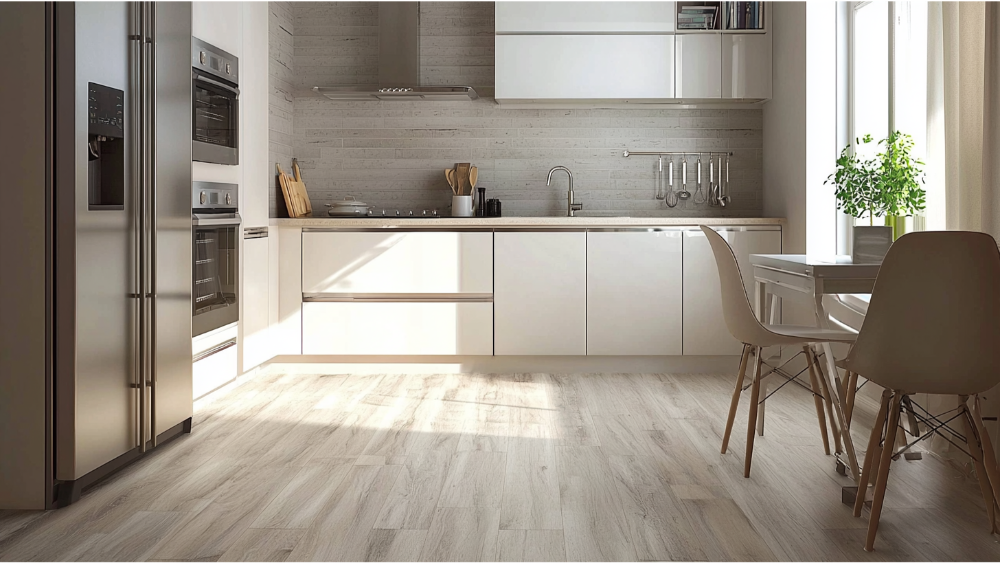
Let’s talk more about the wear layer, because it truly plays a starring role in your floor’s longevity. It’s not just a coating, it’s the shield that stands between your beautiful flooring and the challenges of everyday life.
What’s the Ideal Wear Layer for Your Space?
In lower-use areas like bedrooms or studies, a 12 mil wear layer can typically hold up well. For more active spaces like kitchens or hallways, you’ll want to step up to at least 20 mil. And for ultra-durable protection in spaces with high foot traffic or heavy use, go for a 30 mil wear layer.
The difference between a standard and thicker wear layer is noticeable. It’s not just about resisting scratches, thicker wear layers help protect the surface from dents, stains, and general tear over time. At Best Floor Coverings, we walk homeowners through wear layer comparisons to make sure they get the durability they need without overpaying.
Choosing the Right Overall Thickness for Your Home
So, how do you know what thickness is right for your home? It starts with how your space is used, what’s underneath the floor, and how much you’re willing to invest in long-term performance. That’s where Best Floor Coverings can make the process easier with personalized guidance and in-home recommendations.
How Overall Thickness Affects Doors and Transitions
Thicker planks add height, which can be great for comfort and sound reduction. But you’ll also want to consider how this affects door clearance and transitions between rooms. If your current floors sit lower, moving to a thicker LVP may require adjustments to doors or threshold strips.
We always recommend a full walkthrough before installation to make sure everything flows seamlessly, and Best Floor Coverings handles every detail.
Does Your Luxury Vinyl Plank Need Underlayment?
Many thicker vinyl planks come with built-in underlayment, saving you an extra step during install. But in cases where it’s not included, or where you’re installing over concrete, a separate underlayment can help improve sound, moisture protection, and comfort.
The right underlayment can also help with sound insulation, which is a big bonus in multi-level homes or condos where noise transfer can be an issue. Our team at Best Floor Coverings always checks for this during our in-home estimate.
Installation Considerations for Luxury Vinyl Plank Flooring
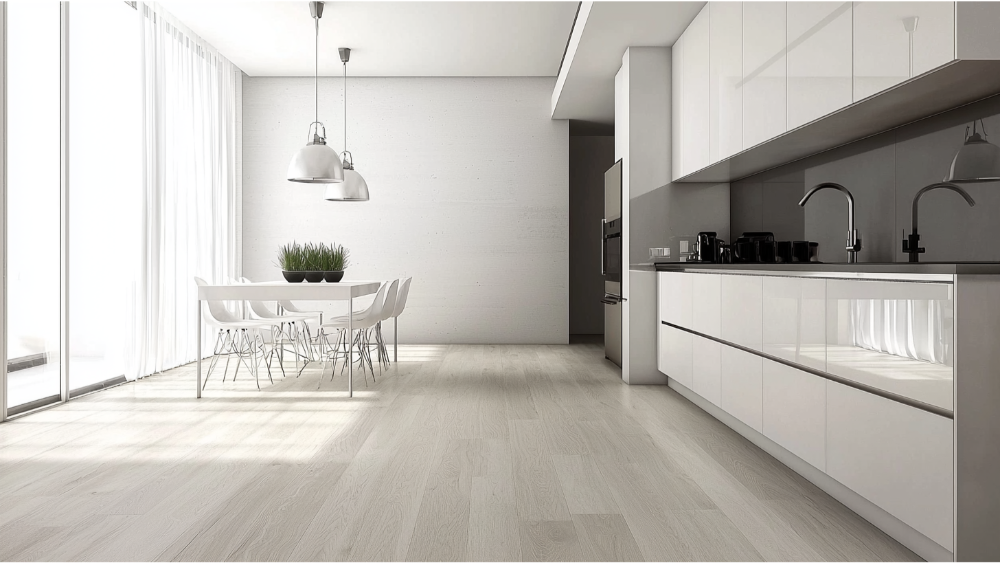
At Best Floor Coverings, we’ve installed thousands of LVP floors across Seattle and the Eastside. No matter the thickness, proper installation is key to making your floors look great and last.
Why Subfloor Prep Is Crucial for Vinyl and Laminate Flooring
Thinner vinyl or laminate flooring can highlight every dip and bump in your subfloor. That’s why our team carefully inspects and preps each surface before installing new floors.
Even with thicker LVP, we often recommend our subfloor leveling and repair service to make sure your foundation is smooth and solid.
Tools and Expertise for Handling Thick LVP
Installing thick planks isn’t always easy. They require specialized tools and a little more finesse to cut and place properly. But when done right by the pros at Best Floor Coverings, the results are stunning, clean lines, tight seams, and a durable surface that handles all the action your home throws its way.
Vinyl Flooring Cost Breakdown by Plank Thickness
Let’s talk numbers. As you might expect, thicker vinyl flooring and thicker wear layers typically come with a higher upfront cost. But don’t let sticker shock scare you off, these products often pay off in durability and lifespan.
| Thickness | Wear Layer | Typical Cost | Best For |
|---|---|---|---|
| 2–4 mm | 6–12 mil | $2–$3/sq.ft | Guest rooms, low-use areas |
| 5–8 mm | 12–20 mil | $3–$5/sq.ft | Most homes, including kitchens |
| 10–15 mm | 20–30 mil | $5–$8+/sq.ft | Commercial use, busy homes |
Best Floor Coverings helps customers compare not just price, but long-term value, comfort, and overall fit for their home.
Common Myths About Vinyl Plank Thickness
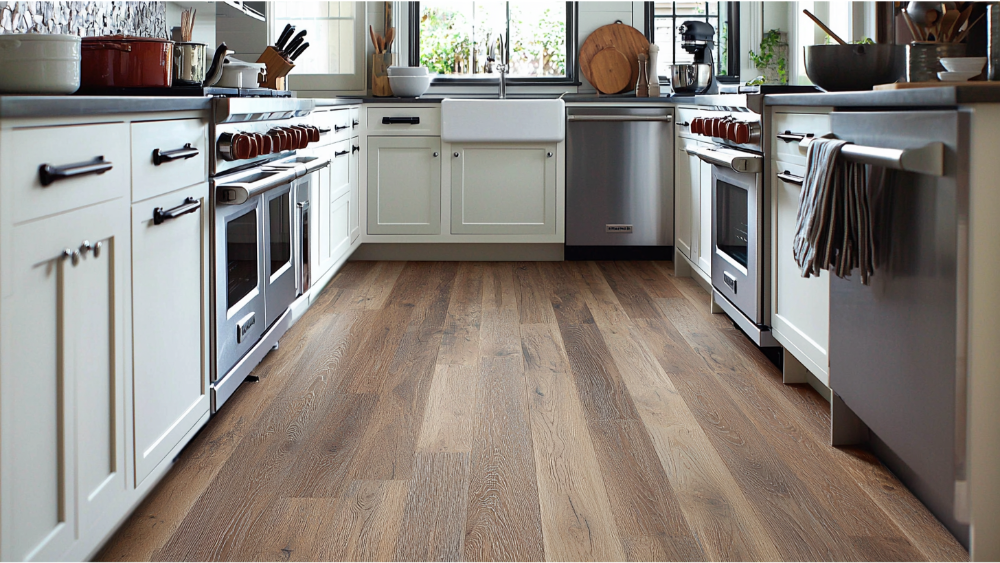
Let’s clear up a few misconceptions we hear all the time:
- Myth 1: Thicker always means better. Not true. Thickness helps, but without a strong wear layer, even a thick plank can show signs of wear early.
- Myth 2: Thin means low quality. False again. Some 4 mm planks with a solid wear layer perform just fine in quiet spaces.
- Myth 3: All wear layers are equal. No way. The quality of materials and the manufacturing process play a big role in how well a wear layer protects the floor.
Our experts at Best Floor Coverings can help you sort through the hype and choose products that are truly built to last.
Frequently Asked How Thick Is LVP Flooring Questions
Is 4 mm vinyl flooring too thin?
It depends. For a bedroom or guest room, it might be perfect. But for a high-traffic area, we’d recommend something thicker with a more durable wear layer.
What’s the best luxury vinyl flooring thickness for a busy kitchen?
Aim for a 6–8 mm plank with a 20 mil wear layer. That gives you the balance of structure and surface protection needed for cooking, spills, and daily wear.
Can thicker luxury vinyl plank go over tile or hardwood?
Yes, but it depends on the condition of the current surface. We might recommend a leveling compound or underlayment to ensure a smooth base.
Does thicker vinyl plank mean better waterproofing?
Not really. Most LVP is waterproof regardless of thickness. What it does offer is better sound insulation and more comfort.
Is underlayment necessary with thicker vinyl or laminate flooring?
Sometimes. Many thicker planks have it built-in, but we’ll evaluate your space and recommend what’s best for performance and sound.
Final Thoughts: Finding the Right Vinyl Flooring Thickness for Your Home
Your flooring needs are as unique as your home. Maybe you’re updating a peaceful guest room, tackling a high-traffic hallway, or giving your living rooms a fresh new look. Each space comes with its own specific needs, and understanding how those needs relate to LVP flooring thickness can make a big impact on comfort, durability, and overall style.
Let Best Floor Coverings Help You Choose the Perfect LVP
Want expert help selecting the best LVP for your lifestyle? Best Floor Coverings brings samples straight to your door with our shop-at-home experience, and we handle everything from flooring removal to professional luxury vinyl plank installation.
Contact us today to schedule your free in-home consultation!